





Global Recognition of Indian Puddings
The esteemed online food guide, TasteAtlas, has unveiled its global ranking of the Top 32 Rice Puddings, a celebration of comforting and culturally significant
dishes from around the world. India has made a significant mark on this prestigious list, with six of its beloved regional rice puddings earning international acclaim. This recognition highlights the incredible diversity and depth of India's culinary landscape, showcasing how simple ingredients like rice and milk can be transformed into dishes that tell stories of history, devotion, and regional identity. These puddings are far more than just sweet endings to a meal; they are deeply embedded in the fabric of Indian life, from everyday comforts to grand celebrations.
Phirni: Festive Creaminess Ascends
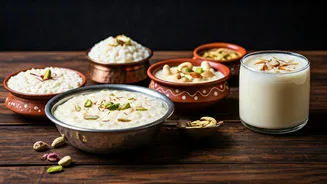
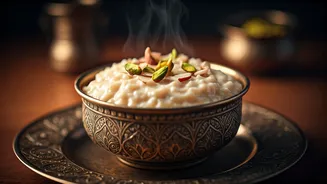
Claiming a remarkable third position globally, Phirni stands out with its velvety texture and intoxicating aroma, a testament to the art of slow simmering. This dessert, often served chilled in traditional earthen bowls, is a favourite for festive occasions. Food historian Sadaf Hussain emphasizes that the magic of Phirni lies not just in its ingredients but in the patient process of its creation. The slow cooking allows the milk and rice to meld beautifully, creating a luxurious base that is then infused with fragrant spices like cardamom and rosewater, and often garnished with finely ground nuts. This meticulous preparation elevates Phirni from a simple sweet to an experience, embodying the spirit of celebration and refined taste that is characteristic of many Indian culinary traditions.
Kheer: An Ancient Staple
Securing the seventh spot, Kheer is celebrated as one of India's most ancient and universally loved desserts, with its origins tracing back to historical texts. This enduring popularity is a testament to its comforting simplicity and adaptable nature. Kheer is essentially a milk-based pudding, where rice is slowly cooked until tender and then sweetened, often enriched with cardamom, saffron, and garnished with nuts and dried fruits. Hussain points out the remarkable continuity of Kheer, noting that its preparation has remained largely unchanged over centuries, demonstrating a deep-rooted connection to culinary heritage. This historical lineage adds a profound layer of cultural significance to Kheer, making it a dish that evokes nostalgia and a sense of timeless tradition for many Indians.
Sakkarai Pongal: Harvest's Sweet Embrace
Representing South India with pride at fifteenth place, Sakkarai Pongal is a sweet rice pudding deeply intertwined with agrarian rituals and the celebration of harvest seasons. This dish is more than just a culinary offering; it symbolizes gratitude for the land's bounty and the fruits of labour. Prepared with rice, jaggery, ghee, and often flavoured with cardamom and roasted cashews or coconut, Sakkarai Pongal embodies the spirit of abundance. Hussain explains that partaking in Sakkarai Pongal during harvest is a way of engaging with the cyclical nature of agriculture, connecting individuals to the earth, their work, and their beliefs. Its preparation is a joyful expression of thanks and a communal sharing of prosperity, making it a vital part of South Indian cultural practices.
Pongal: Comfort in Simplicity
Holding the nineteenth position, Pongal, while often recognized for its savoury variations, has earned its place on the global list for its comforting, porridge-like consistency and everyday appeal. This dish, originating from South India, is a staple that reflects the region's agricultural roots and culinary preferences. The sweet version, Sakkarai Pongal, is more elaborate, but the general preparation of Pongal, often a simple blend of rice and milk or water, cooked to a soft consistency, is deeply ingrained in daily life. Its inclusion highlights the breadth of rice-based dishes in India and how even a seemingly simple preparation can hold significant cultural weight, offering a sense of warmth and familiarity that is cherished across South Indian households and beyond.
Doodhpak: Western India's Indulgence
From the western regions of India comes Doodhpak, ranked twenty-fourth globally, a richer and more decadent interpretation of the classic rice pudding. This dish can be considered a luxurious cousin to Kheer, distinguished by its generous use of saffron, which imparts a beautiful golden hue and a subtle, aromatic flavour. Doodhpak is typically made by slow-cooking rice in full-fat milk until it achieves an exceptionally thick and creamy texture, often enhanced with nuts like almonds and pistachios. This emphasis on richness and premium ingredients reflects the culinary traditions of Western India, where festive occasions and celebratory meals often feature elaborate and indulgent preparations, making Doodhpak a symbol of hospitality and refined taste.
Ven Pongal: Savoury Delight
Rounding out India's impressive representation at twenty-sixth place is Ven Pongal, a distinctly savoury rice dish that showcases the versatility of rice puddings. This preparation diverges from the sweet norm, offering a comforting and flavourful alternative that is often enjoyed for breakfast or as a light meal. Ven Pongal is characterized by its wholesome blend of rice and lentils, tempered with fragrant spices, black peppercorns, and cumin, and finished with a generous dollop of ghee. Hussain elaborates on how such dishes highlight regional identity, with climate, local produce, and lifestyle dictating the unique variations. The savoury profile of Ven Pongal, with its balance of spice and comfort, underscores the dynamic and diverse nature of Indian cuisine, proving that rice puddings can be both hearty and exquisitely seasoned.