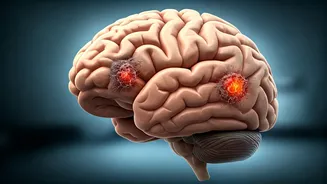








Infections as Catalysts
For a long time, the progression of dementia was understood as a gradual process, predominantly influenced by genetic predispositions and long-term lifestyle
choices. However, emerging scientific insights, highlighted by a significant study published in PLOS Medicine, propose that external, acute events can dramatically alter the timeline of cognitive deterioration. This research specifically points to severe instances of cystitis, commonly known as bladder infections, and even prevalent issues like tooth decay, as potential accelerants. These conditions, when severe, may hasten the manifestation of dementia symptoms, leading to a diagnosis within a few years of experiencing them. The biological mechanisms suggest that while many individuals may harbor silent, accumulating protein build-ups or plaques in their brains for years without any observable signs, a robust inflammatory response triggered by a serious infection could potentially expedite the underlying damage, essentially fast-forwarding the development of the disease.
Beyond Genetics and Lifestyle
The prevailing view of dementia has largely focused on an internal, slow-moving cascade of biological changes, driven by factors like inherited genes and lifelong habits. Yet, a recent, thought-provoking study challenges this perspective, suggesting that external occurrences can play a pivotal role in determining when dementia symptoms emerge. This research highlights specific infections, including serious bladder infections (cystitis) and even neglected dental problems, as factors that could potentially accelerate the path to a dementia diagnosis. By examining this phenomenon through the integrated lenses of biological processes, the precise timing of events, and the societal structures in place for care, we can begin to appreciate the profound impact that seemingly minor health events, like recovering from a urinary tract infection (UTI) or a routine dental visit, might have on maintaining cognitive vitality. These findings underscore the importance of addressing all types of infections promptly, as they may have a far greater influence on long-term brain health than previously recognized.