
Anchoring Visual Elements
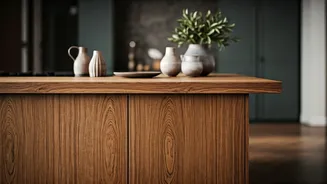
To prevent a room from feeling flat or uninspired, designers emphasize the importance of incorporating 'heavy' visual anchors. These are elements that
provide a sense of weight and definition, like a dark wooden console table, an antique mirror that reflects light and adds character, or plush, dark velvet pillows that introduce depth. These anchors create distinct highlights and lowlights within the space, contributing to a more layered and sophisticated feel. Without these grounding pieces, a room can seem one-dimensional and less engaging. The strategic placement of these substantial items helps to visually organize the space and immediately makes it feel more complete and intentional, inviting a sense of settled comfort.
Balancing Warmth and Coolness
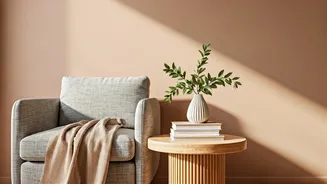
Achieving a harmonious home environment often hinges on a careful balance between 'cold' and 'warm' materials. Cold surfaces typically include elements like glass, metal, and stone, which can sometimes make a room feel stark or impersonal. To counteract this, designers advise introducing warm, tactile elements. This contrast is key; for instance, a sleek glass coffee table can be beautifully complemented by a high-texture wool rug or a collection of layered throws and woven pillows. These softer materials introduce a sense of coziness and approachability, preventing hard surfaces from dominating the space. This interplay between cool and warm textures is crucial for creating a dwelling that feels both stylish and genuinely comfortable.
Defining Entryways
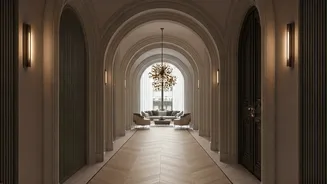
Creating a distinct entryway, even in smaller homes, can significantly enhance the feeling of a welcoming sanctuary. This transition zone acts as a buffer between the bustling outside world and the tranquility of your home. It not only helps to keep the interior at a comfortable temperature by blocking drafts but also provides a designated spot for items like keys, shoes, and bags, thereby maintaining a tidier living area. Designers suggest various methods for defining this space, including using different flooring materials, such as transitioning from tile to wood, or employing contrasting wall colors and textures. Even subtle ceiling treatments, like unique lighting fixtures or decorative beams, can add architectural presence and clearly delineate the entryway.
Conversation-Ready Furniture
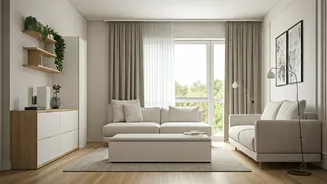
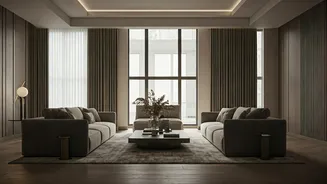
The arrangement of your furniture plays a pivotal role in how inviting and functional your living spaces feel. Moving beyond the common setup where seating primarily faces a television, designers recommend configuring furniture to encourage interaction. Arranging sofas and chairs so they face each other naturally facilitates conversation and makes guests feel more at ease. This layout fosters a sense of connection and intimacy, making the room feel more conducive to social gatherings and relaxed family time. When seating is oriented for dialogue, the entire atmosphere of the room shifts towards warmth and engagement.
Layered Lighting Ambiance
Lighting is a transformative element in home design, capable of dictating a room's entire mood. Harsh, overhead lighting can often create a sterile or unwelcoming atmosphere. Instead, designers advocate for layered lighting, utilizing a combination of table lamps, floor lamps, sconces, and dimmers. This approach allows for the creation of depth and a softer, more intimate glow that promotes relaxation. Opting for bulbs with a warmer color temperature, around 2700K, also contributes significantly to a cozy ambiance. Placing light sources at eye level, as with lamps and sconces, introduces subtle shadows and highlights, curing the flat, clinical look that single overhead lights can produce.
Infusing Personal Touches
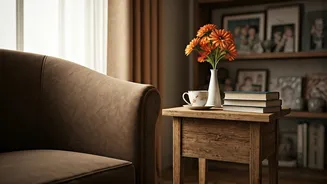
A truly inviting home reflects the personality and story of its inhabitants. Beyond aesthetic appeal, the presence of personal objects adds a layer of warmth and authenticity that makes a space feel uniquely yours. These are the items that hold meaning, spark joy, and tell a story as you move through your home. Whether it's artwork collected from travels, cherished family heirlooms, or photographs that capture special moments, these elements contribute to a feeling of comfort and belonging. When your space is infused with items that represent your journey and passions, it becomes more than just a house; it becomes a personalized sanctuary.
The Art of Negative Space
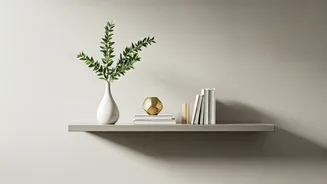
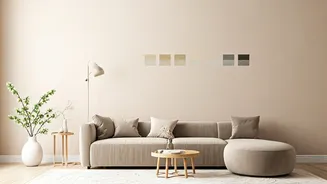
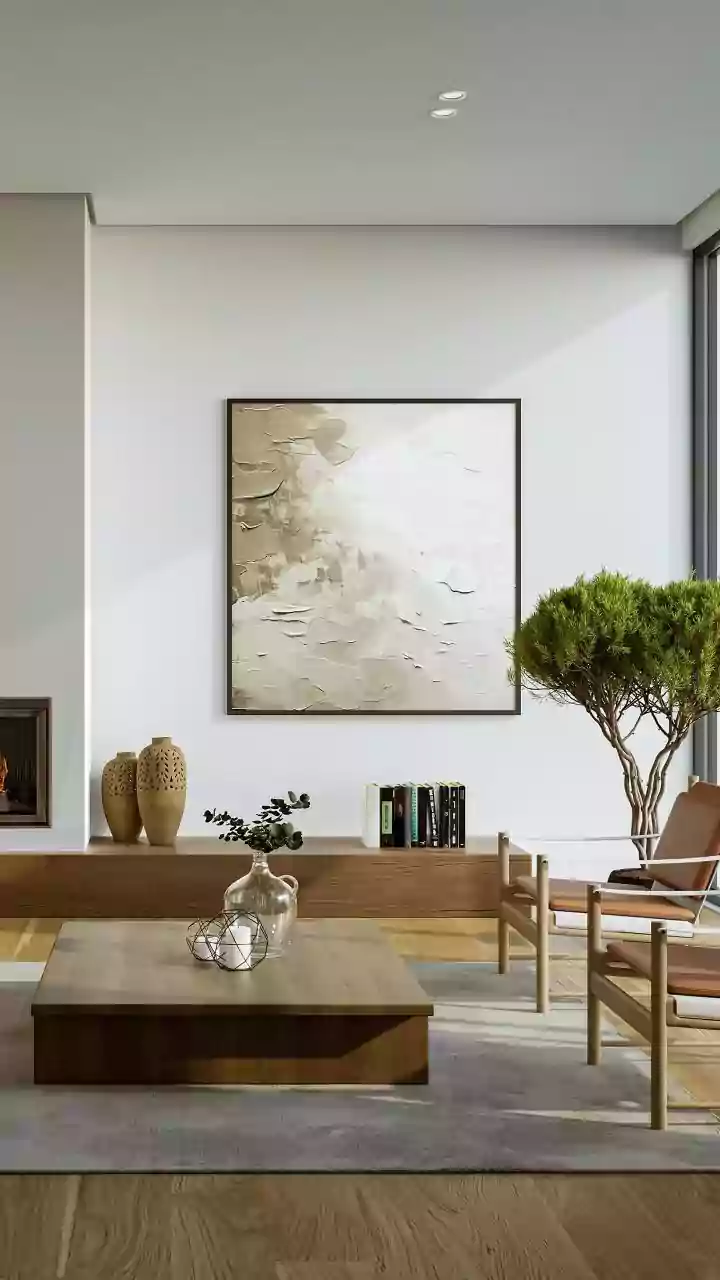
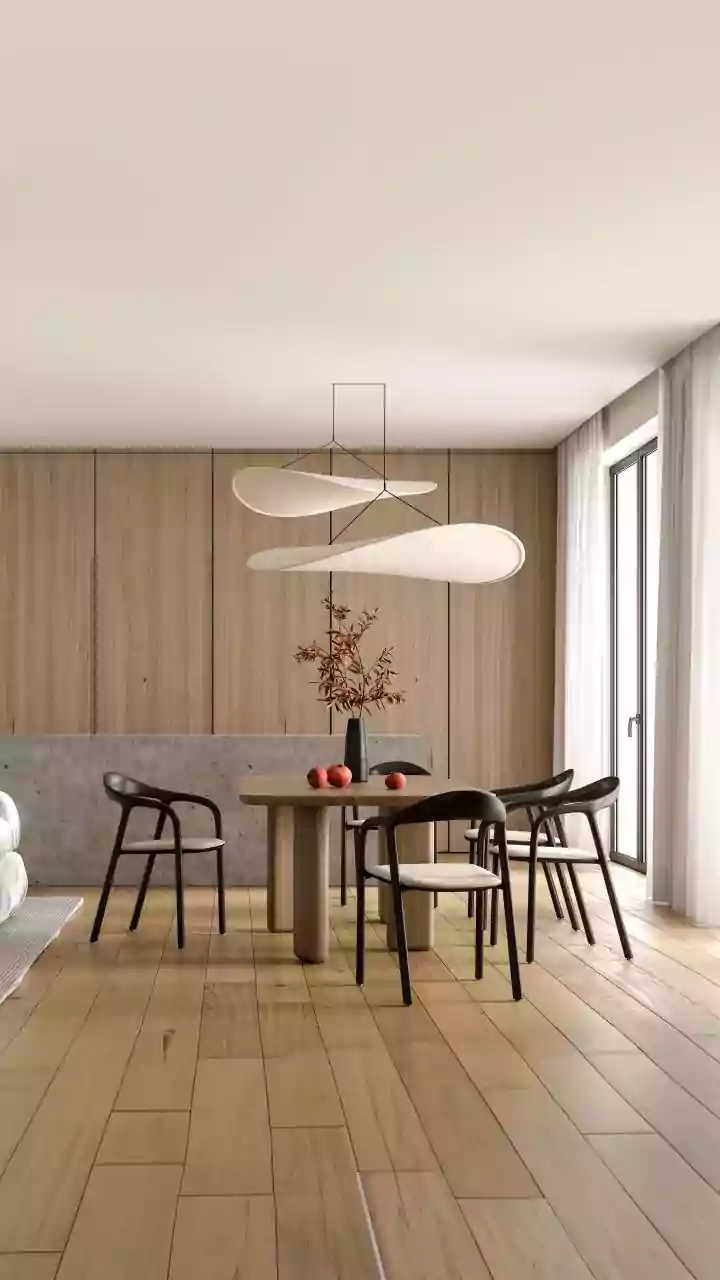
Contrary to the belief that coziness equates to a full, decorated space, designers highlight the strategic importance of negative space. Intentional 'breathing room' allows the eye to rest and prevents a feeling of being overwhelmed. Leaving quiet zones on shelves, walls, or tabletops creates a sense of calm and order. This deliberate use of empty space makes the overall arrangement feel curated and intentional, rather than cluttered or chaotic. When elements are thoughtfully placed with sufficient space around them, the visual impact of each object is enhanced, contributing to an atmosphere of serene sophistication and genuine welcome.