






Emergency Evacuation Explained
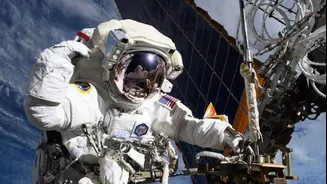
NASA's decision to bring astronauts back to Earth early from the ISS marks an uncommon event, underscoring the severity of the medical situation. This
kind of evacuation is a testament to the meticulous healthcare protocols in place for space missions. The reasons behind the medical issue are typically kept confidential, prioritizing the astronauts' privacy and well-being. Several scenarios could prompt such an urgent return: a sudden illness, injury, or the exacerbation of a pre-existing medical condition. The return procedure involves swiftly preparing the spacecraft for the journey back to Earth, carefully monitoring the affected astronaut's condition during the trip, and readying medical teams for immediate care upon arrival. This action demonstrates NASA's commitment to astronaut health, prioritizing safety even in the face of complex space operations.
Medical Challenges in Space
Providing medical care in space presents many difficulties that are not found on Earth. The environment itself, characterized by microgravity and confined spaces, exacerbates certain health conditions and complicates medical procedures. Limited resources and the absence of rapid access to advanced medical technology are also constraints. Diagnosing illnesses or injuries can be challenging due to the potential for similar symptoms to manifest from various space-related stressors. Additionally, space travel can have impacts on the human body, potentially including muscle atrophy, bone density loss, and cardiovascular changes. As a result, comprehensive pre-flight medical evaluations, in-flight monitoring, and emergency protocols are essential to astronaut safety. Researchers are constantly working on the development of technologies like telemedicine and specialized medical equipment for use in space, improving the prospects of effective healthcare for long-duration missions.
Impact on Artemis 2
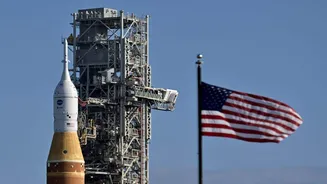
The decision to bring the astronauts home early does not have to influence the preparations for the upcoming Artemis 2 mission. NASA has stated that the evacuation from the ISS will not affect the lunar mission. Artemis 2, a significant step toward returning humans to the Moon, is a mission with complex scheduling, involving the integration of numerous systems and a precise launch window. The agency is taking measures to ensure the medical evacuation from the ISS does not distract from Artemis 2's mission-critical timelines. Careful planning and resource allocation are essential to separate the ISS medical situation from the progress of the lunar mission. NASA's ability to navigate these challenges reflects the organization's capacity for managing complex projects while prioritizing the health of astronauts.
Future of Space Medicine
The recent medical evacuation highlights a growing need for advances in space medicine to support ambitious space exploration plans. The future of healthcare in space involves a mix of technologies, protocols, and expertise. There's a push for developing remote diagnostics and treatment technologies, including AI-driven tools that can help astronauts diagnose and treat a wide range of medical issues. Advanced 3D printing could allow for producing medical equipment and pharmaceuticals on demand. Furthermore, the selection of astronauts will become even more stringent, with a focus on their physical and psychological resilience. International collaborations in space medicine are set to play a larger role, sharing expertise and resources for effective strategies to provide long-term care for astronauts. These initiatives will be essential for enabling safe and sustainable space travel for years to come.