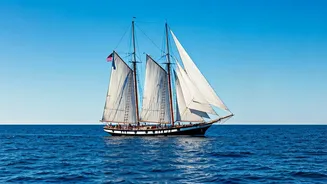

The Historic Vessel
The journey starts with the vessel itself, a schooner of remarkable age. These ships are not just modes of transport, but floating pieces of history. The hull,
meticulously maintained over decades, tells a tale of countless voyages. The wooden masts, rigging, and sails are a testament to the craftsmanship of an earlier era. The character of the ship is further enhanced by its association with legendary sailors. Each vessel has its own unique story, reflecting its past owners and the oceans it has sailed. Maintaining a schooner of this age is a demanding yet rewarding process, involving significant restoration efforts to keep it seaworthy for the journey ahead. The charm of sailing in such a vessel offers an unparalleled experience, bridging the gap between past and present.
Preparing for the Trip
Preparing for a transatlantic voyage on a vintage schooner is a comprehensive undertaking. The planning phase encompasses a detailed assessment of the ship's condition, from hull integrity to the operational efficiency of the mechanical systems. A skilled and dedicated crew is essential, bringing a diverse range of expertise. Navigation tools, including traditional sextants, updated radar systems, and modern GPS, are meticulously prepared. Provisions, from non-perishable food to fresh water, are stowed to ensure sustained sustenance for the duration of the journey. Safety equipment, such as life rafts, emergency beacons, and medical supplies, undergoes a thorough inspection and readiness check. Weather patterns are studied with expertise to optimize the route, taking into account prevailing winds and potential weather hazards. Every detail is crucial in this thorough preparation, ensuring the success of the journey. The experience blends technical skill with meticulous planning, providing the foundation for a safe and memorable Atlantic crossing.
Life at Sea
Life aboard a schooner crossing the Atlantic is a harmonious mix of adventure, routine, and a close relationship with nature. Days are filled with the rhythm of setting and trimming sails, maintaining the ship, and navigating the vast ocean. Each crew member has a defined role, contributing to the vessel's smooth operation. Amidst their duties, there is an environment of camaraderie, with shared meals and stories. The isolation from the modern world fosters a deeper appreciation for the simple things, like the sunrise or the sighting of marine wildlife. Weather conditions significantly influence daily life. The crew navigates through calm periods, exhilarating storms, and changes in temperature. The nights are filled with the stars, far from the light pollution of modern cities, bringing about a sense of solitude. The experience develops a strong bond between the crew, testing their resilience and strengthening their connection with the ocean.
Navigating the Waters
Navigating across the Atlantic involves an artful combination of traditional and modern methods. Experienced sailors use celestial navigation, employing a sextant to identify the vessel's position using the sun, moon, and stars. They cross-reference the astronomical calculations with nautical charts and knowledge of ocean currents and wind patterns. Modern electronic instruments, such as GPS, radar, and weather-routing software, also play crucial roles. These tools provide real-time data on the vessel's location, weather conditions, and potential hazards. The navigation strategy blends the wisdom of past centuries with contemporary technological advances. Throughout the voyage, the crew diligently watches for potential dangers. Any alterations in the route are made cautiously to adapt to the ever-changing environmental conditions. Each navigation decision is an essential step towards the final destination, emphasizing skill, preparedness, and precision. It showcases the perfect union of human experience and technological solutions.
Challenges & Rewards
Sailing across the Atlantic on a century-old schooner is packed with challenges and rewards. The challenges are numerous, ranging from unexpected weather patterns and equipment malfunctions to the physical strains of maintaining a vessel. Dealing with isolation and the monotony of the open sea can be exhausting. Despite these difficulties, the rewards are equally impactful. The feeling of reaching a new continent under sail is priceless. The experience fosters a deep appreciation for the ocean and the natural world. Building friendships with the crew, weathering challenges, and achieving a collective goal offers a sense of shared accomplishment. This journey is more than just a trip; it is a transformation. It provides a unique perspective on life, encouraging a sense of exploration, resilience, and personal development. The experience stays with the participants long after they return to shore.
Arrival & Reflection
The arrival on the other side of the Atlantic represents the conclusion of an extraordinary journey. Approaching the shores of a new continent, the anticipation is palpable. The feeling of seeing land after weeks or months at sea is unforgettable. The landing is often accompanied by a sense of accomplishment, pride, and relief. Following the arrival, the crew must take time to reflect on the journey, share experiences, and acknowledge the lessons learned. The experience transforms into an unforgettable story, full of tales of adventure and teamwork. The journey is frequently celebrated among the crew, with festivities marking this achievement. The transatlantic voyage is a testament to human resilience, a celebration of the spirit of exploration, and a lasting reminder of the beauty of the sea. It highlights the remarkable capabilities of both the vessel and the people onboard.