





Sweet Potato Sun Shield
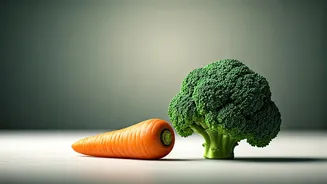
Sweet potatoes are more than just a tasty root vegetable; they offer a unique internal defense against sun damage. These vibrant tubers are packed with
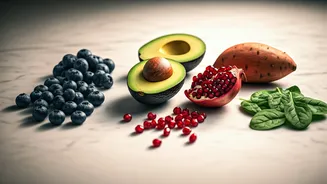
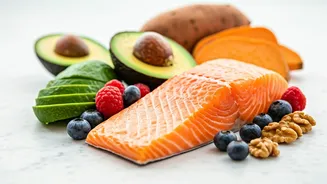
beta-carotene, a precursor that your body efficiently converts into Vitamin A. Once metabolized, this essential nutrient integrates into your skin cells, acting as a biological, sun-protecting agent. While it's no substitute for topical sunscreen, consuming foods rich in beta-carotene can bolster your skin's cellular resilience against the damaging effects of UV radiation, which contribute to premature aging and cellular damage. Consider swapping your regular potato sides for oven-roasted sweet potatoes to harness this edible SPF benefit.
Avocado's Moisturizing Magic
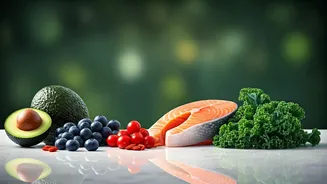
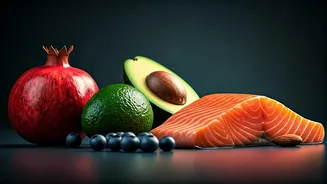
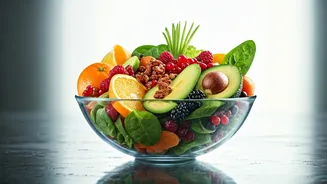
The widespread popularity of avocado toast is well-deserved, especially from a dermatological perspective. This creamy fruit is abundant in beneficial monounsaturated fats, which are crucial for maintaining the skin's suppleness and ensuring deep hydration. However, its true power lies in its rich vitamin content. Avocados are an excellent source of Vitamin E, a potent antioxidant that neutralizes damaging free radicals before they can harm your cells. Furthermore, they provide a significant amount of Vitamin C, a non-negotiable nutrient required for the synthesis of firming collagen, essential for youthful skin. Incorporate half an avocado into your morning smoothies or add slices to your lunch salads for a daily dose of skin-loving goodness.
Walnuts for Skin Barrier
While almonds often receive significant attention for their health benefits, walnuts are the unsung heroes when it comes to skin health. They distinguish themselves within the nut family due to their exceptional balance of omega-3 and omega-6 fatty acids. Equally important is their contribution of zinc, a vital mineral for maintaining a strong and functional skin barrier. Zinc plays a critical role in helping your skin retain moisture effectively, accelerating the healing of blemishes, and protecting against bacterial invasion and underlying inflammation. Keep a supply of walnuts handy for a mid-day snack or use them as a crunchy coating for baked fish to enhance their nutritional profile.
Fatty Fish for Radiance
For those who consume animal products, including fatty fish like salmon, herring, or mackerel in your diet can profoundly impact your skin's appearance and health. The key benefit stems from their high concentration of omega-3 fatty acids. A deficiency in these essential fats can lead to dry, thin, and easily irritated skin, whereas adequate intake promotes a supple and resilient complexion. Beyond their fat content, salmon also provides high-quality protein, zinc, and Vitamin E. This synergistic combination works to reduce systemic inflammation and stimulate the production of new, healthy skin cells. Aiming for two servings of fatty fish per week is an effective strategy for optimal skin benefits.
Berries: Anti-Aging Powerhouses
Consuming a handful of berries such as blueberries, raspberries, or strawberries means you're ingesting a wealth of anthocyanins. These powerful antioxidants function as internal scavengers, combating the free radical damage caused by environmental stressors like UV rays and pollution. Similar to avocados, berries are exceptionally high in Vitamin C, a critical component for boosting collagen production. This process leads to firmer skin and a noticeable brightening effect on your overall complexion. Enjoy them by adding a portion to your morning oatmeal or as a refreshing snack when you need a natural energy lift.