






Conversations Build Foundation
The early years of toddlerhood are crucial for language acquisition, a truly amazing developmental stage. During this period, children transition from
babbling and gestures to forming actual words and rudimentary sentences. While structured lessons aren't required, the interactions children experience daily are paramount to how they learn to express themselves. Engaging in simple chats during playtime, mealtimes, or as part of daily routines exposes toddlers to a rich tapestry of words and phrases. These repeated exposures are instrumental in helping them grasp the mechanics of language and how it serves as a tool for expressing their needs, emotions, and burgeoning curiosity. Consistently engaging in these small yet impactful exchanges helps to steadily build their vocabulary, hone their listening abilities, and foster a strong sense of self-assurance in their ability to communicate. Listening to the language around them is one of the most effective ways for young children to cultivate their communication skills. When parents converse about their daily activities, whether it's preparing meals, tidying up the house, or starting the day, children absorb and begin to comprehend. Simple phrases like, “Let’s get your hands washed!” or “See the bright red ball!” serve as direct examples of how toddlers internalize language, even before they can actively participate in the conversation. They are in a perpetual state of learning and language advancement during these formative years.
Storytelling Ignites Imagination
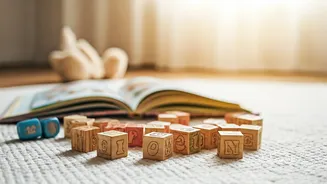
Introducing toddlers to the joy of books and simple narratives can profoundly accelerate their language progress. When caregivers engage with a child by pointing out elements in pictures, posing questions about the characters, or revisiting a beloved tale, the child becomes increasingly familiar with new words and sentence structures. Toddlers often delight in hearing the same story multiple times, a repetition that aids memory retention for new vocabulary and deepens their understanding of how sentences are constructed. Beyond just words, storytelling nurtures a child’s imagination and fuels their curiosity, forging a positive and lasting connection with language and the art of communication. Reading aloud and weaving simple tales is a powerful catalyst for a toddler's linguistic journey. By drawing attention to illustrations, prompting thoughts about the characters, or recounting a favorite story, adults introduce a wealth of new words and phrases. The repetition inherent in enjoying a familiar story helps cement these linguistic elements in a child's mind and clarifies sentence construction. Furthermore, the act of storytelling cultivates imagination and inquisitiveness, creating a positive association with language and the very act of speaking and listening.
Play Fuels Learning
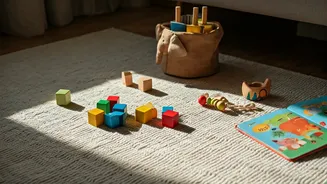
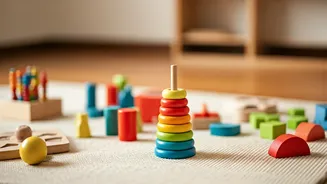
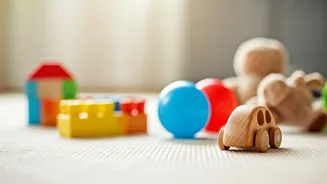
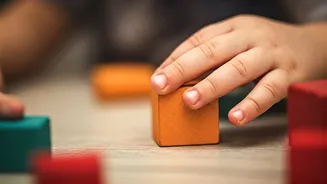
Playtime with a toddler is a fertile ground for language development, offering countless opportunities for growth. As a parent or caregiver engages with a child using building blocks or a puzzle, they can narrate the child’s actions, describing what is happening. This helps the child link specific words to actions they are performing or observing. For instance, saying things like, “The car is zooming really fast!” or “Let’s put another block on top,” helps a child grasp words that denote movement and association. Engaging in play also provides a natural avenue for teaching communication, encouraging the child to respond to gestures, sounds, or spoken words, thereby fostering a reciprocal communication loop. Playtime serves as an exceptional environment for fostering language acquisition in toddlers. When adults participate in play, describing the child's actions or the objects they are interacting with, they create vital word-to-action associations. Phrases like, “Watch the car go fast!” or “We’re stacking the blocks high!” help children understand descriptive words. This interactive play also trains toddlers to respond to various forms of communication, from pointing and babbling to more formed words, building essential conversational skills.
Repetition Builds Mastery
Toddlers thrive on repetition; it’s a cornerstone of their learning process. When children encounter the same words and phrases repeatedly, they are more likely to commit them to memory and then incorporate them into their own speech. Everyday routines, such as saying hello, during meals, or preparing for sleep, are naturally rich with opportunities for this kind of repetition. These recurring interactions help children understand the meaning behind words and build the confidence needed to attempt saying them aloud. Through consistent exposure, toddlers acquire new vocabulary in a natural and organic manner, solidifying their understanding and encouraging verbal practice. Repetition is a key learning mechanism for toddlers. Hearing familiar words and phrases multiple times assists them in recall and eventual usage. Daily routines are excellent for this, offering consistent exposure during greetings, mealtimes, and bedtime. This repeated exposure not only helps define word meanings but also instills the confidence for them to try speaking. Natural language acquisition is significantly aided by this consistent reinforcement, making new words feel familiar and accessible.
Encouragement Fosters Confidence
Positive reinforcement plays a significant role in nurturing a toddler’s willingness and comfort in expressing themselves. When parents demonstrate genuine interest in what their little one is trying to communicate, the toddler feels more motivated to continue sharing their thoughts and feelings. Even if the child’s speech isn't perfectly clear or grammatically correct, consistent positive feedback can significantly boost their self-esteem. Responding with smiles, gently repeating what the child said in a corrected form, or asking clarifying follow-up questions all serve to encourage the toddler, prompting them to further explore their ability to articulate themselves and engage in communication. Positive encouragement is vital for building a toddler's confidence in speaking. When adults show they are listening and engaged with what their child is saying, it inspires the child to keep communicating. Even if the toddler's words are muddled or incomplete, a supportive reaction, such as a smile, a gentle rephrasing of their sentence, or asking for more details, will empower them to keep trying to express themselves. This positive feedback loop is essential for developing a brave and communicative young child.