






Vitamin D's Bone Impact
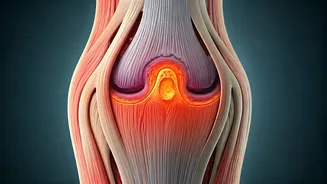
Ensuring adequate vitamin D levels is paramount for robust bone health. While supplements can be beneficial, their efficacy is significantly amplified
when taken in conjunction with calcium. This combination is crucial for maximizing bone density and preventing conditions like osteoporosis. Simply taking vitamin D alone might not yield the full spectrum of benefits, as calcium plays an integral role in bone structure and strength. Therefore, a balanced approach integrating both nutrients is recommended for optimal skeletal wellness and overall bodily function, impacting everything from muscle function to immune responses. This synergy ensures that the body can effectively absorb and utilize these vital minerals for long-term health.
Hydration for Gut Health
Maintaining optimal gut health hinges significantly on a consistent hydration routine, as highlighted by Alfia Jafry's practices. While plain water is essential, it serves a different purpose, particularly at night, suggesting a nuanced approach to fluid intake throughout the day. This implies that different types of fluids or strategic timing might cater to specific bodily needs, especially concerning digestive well-being. Proper hydration is not merely about quenching thirst; it's about facilitating essential bodily processes, including nutrient absorption and waste elimination, both critical for a healthy gastrointestinal tract. By understanding how different hydration strategies impact the gut, individuals can proactively support their digestive system and overall health.
Heart Health Red Flags
Early detection of lipid disorders is strongly advocated by medical professionals due to the potential for genetic cholesterol conditions to cause heart attacks without prior warning signs. This underscores the importance of proactive health screenings, especially for individuals with a family history of heart disease. Beyond genetics, the simple act of brushing one's teeth before sleep is linked to a reduced risk of cardiovascular disease, indicating that fundamental oral hygiene practices have far-reaching systemic health benefits. Furthermore, the texture of abdominal fat, distinguishing between 'hard' and 'soft' belly fat, can serve as a significant health indicator, potentially signaling underlying metabolic issues or increased cardiovascular risk. Paying attention to these diverse markers can empower individuals to take timely preventive measures.
Injury Recovery Strategies
Recovering from injuries, whether from sports or accidents, demands a careful and disciplined approach. For instance, Varun Dhawan's tailbone fracture from filming highlights how coccyx injuries can be severe and slow to heal, emphasizing the need for proper medical attention rather than pushing through pain. Similarly, Ashmit Patel's ACL surgery recovery journey demonstrates the importance of small, consistent efforts in rebuilding strength and preparing the body for a safe return to movement after significant trauma. These experiences collectively illustrate that patience, guided rehabilitation, and understanding the body's healing process are crucial for regaining full function and preventing long-term complications.
Senior Fitness Essentials
Walking stands out as a remarkably safe and effective exercise for senior citizens, provided it is performed with consistent care. This form of physical activity not only aids in maintaining cardiovascular health but also supports mobility and balance, crucial for preventing falls and preserving independence. The emphasis on consistency suggests that regular, moderate walking routines are more beneficial than sporadic, intense bursts of activity. By incorporating walking into their daily lives, older adults can significantly enhance their physical well-being, contributing to a higher quality of life and greater overall vitality. This accessible form of exercise offers substantial health advantages with minimal risk.
Weight Management Insights
The perception that lean individuals can consume anything without weight gain is largely a misconception; body composition and metabolism are complex. Moreover, persistent struggles with weight can profoundly impact an individual's self-worth, confidence, and social interactions, highlighting the psychological dimension of weight management. Understanding the distinction between 'hard' and 'soft' belly fat is also crucial, as the latter can be a significant health indicator, potentially signaling deeper health concerns beyond mere aesthetics. These factors underscore that weight management is a multifaceted journey involving physical, psychological, and physiological considerations.