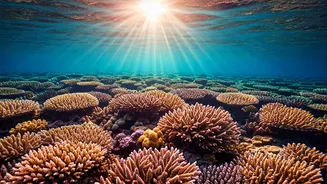

Aruba's Underwater Wonders
Aruba, a gem in the Caribbean, provides snorkelers with an unparalleled experience. The island’s clear waters offer exceptional visibility, allowing for
close encounters with diverse marine species. Key snorkeling spots in Aruba include Boca Catalina and Mangel Halto. Boca Catalina, known for its calm waters and abundant fish, is perfect for beginners and experienced snorkelers alike. Mangel Halto, on the other hand, boasts a more adventurous experience with its unique underwater ecosystem filled with colorful corals and various species of fish. These locations let visitors explore sunken ships and explore unique marine life. Snorkeling in Aruba truly offers an immersive experience, blending relaxation with exciting underwater discoveries.
Cuba's Aquatic Treasures
Cuba, with its rich history and vibrant culture, is also a prime destination for snorkelers seeking unique underwater environments. The island's diverse marine life, including colorful coral reefs and various fish species, provides a spectacular snorkeling experience. Popular snorkeling sites in Cuba include Maria la Gorda and Cayo Largo. Maria la Gorda, situated in the western region, is renowned for its well-preserved coral reefs and crystal-clear waters, making it ideal for both beginners and advanced snorkelers. Cayo Largo, a small island off the Cuban coast, offers pristine beaches and a flourishing underwater ecosystem, offering close encounters with diverse marine species. These locations provide a remarkable opportunity to explore the beauty of Cuba's underwater world, showcasing the island’s rich aquatic biodiversity and natural splendor.
Barbados: Laid-back Snorkeling
Barbados, known for its laid-back vibe and stunning beaches, offers exceptional snorkeling opportunities. The island’s warm waters are home to a wide array of marine life, including sea turtles, vibrant coral reefs, and various fish species. Popular snorkeling spots include Folkestone Marine Park and Carlisle Bay. Folkestone Marine Park, located on the west coast, boasts a protected marine environment with calm waters, ideal for snorkeling. Carlisle Bay, a sheltered bay, is famous for its shipwrecks, providing a unique snorkeling experience that attracts both divers and snorkelers alike. Barbados combines relaxation with the thrill of underwater exploration, making it a perfect destination for both novice and experienced snorkelers. The island’s commitment to preserving its marine ecosystems ensures unforgettable snorkeling experiences.
Martinique's Underwater World
Martinique, a French Caribbean island, is a paradise for snorkelers seeking diverse underwater environments. The island's waters are home to a vibrant marine ecosystem, including coral reefs, various fish species, and even the occasional sea turtle. Prime snorkeling locations include Anse Dufour and the Diamond Rock area. Anse Dufour, known for its shallow, calm waters, offers easy access and is perfect for all skill levels. The Diamond Rock area presents a more adventurous snorkeling experience, with the chance to spot various marine species near the iconic rock formation. Snorkeling in Martinique lets you delve into the heart of the Caribbean’s aquatic beauty. The island’s commitment to preserving its marine habitats makes it a must-visit destination for those seeking an immersive snorkeling experience.
Sint Maarten's Aquatic Beauty
Sint Maarten, a unique island divided between two nations, offers incredible snorkeling opportunities with a blend of cultures. Its diverse underwater habitats support a rich marine ecosystem, featuring vibrant coral reefs and a variety of fish species. Popular snorkeling spots on Sint Maarten include Mullet Bay and Cupecoy Beach. Mullet Bay offers accessible snorkeling right off the beach, making it perfect for families and beginners. Cupecoy Beach, with its calm, clear waters, is known for its dramatic rock formations, creating an immersive snorkeling experience. Sint Maarten combines relaxation with underwater adventure. Whether you are a beginner or a seasoned snorkeler, this island provides an unforgettable experience with its unique blend of culture and natural beauty.
Exploring Caribbean Gems
Beyond the previously mentioned destinations, other spots across the Caribbean offer exceptional snorkeling experiences. The region’s warm waters and diverse marine ecosystems support a wide array of underwater life, attracting snorkelers from across the globe. Some top snorkeling destinations include the US Virgin Islands, known for their protected marine parks and diverse ecosystems, the British Virgin Islands, famous for their pristine beaches and sheltered bays, and the Cayman Islands, which offer crystal-clear waters and a chance to swim with sea turtles and various species of fish. These locations provide unique underwater environments, ensuring unforgettable experiences. Snorkeling in these gems promises a deep dive into the Caribbean's unparalleled beauty and marine life.
Planning Your Snorkel Trip
Planning a snorkeling trip in the Caribbean requires considering several factors to ensure a safe and enjoyable experience. Researching the best snorkeling locations and their specific conditions is the first step. Different sites offer varied visibility, water currents, and marine life. Checking weather conditions before you go is essential, as strong winds or rough seas can impact visibility and safety. Investing in the right gear, including a mask, snorkel, fins, and a wetsuit if needed, will enhance your comfort and enjoyment in the water. Remember to bring reef-safe sunscreen to protect your skin without harming the delicate coral reefs. Familiarizing yourself with snorkeling safety guidelines, like avoiding touching coral and maintaining a safe distance from marine life, is crucial for preserving the underwater environment. By planning carefully and respecting the environment, you can enjoy the magic of Caribbean snorkeling.
Respecting Marine Life
Respecting marine life is crucial for preserving the health and beauty of the Caribbean's underwater ecosystems. Refrain from touching or disturbing coral reefs, as they are fragile and essential habitats for marine life. Avoid feeding fish, as it can disrupt their natural behaviors and impact the balance of the ecosystem. Maintain a safe distance from marine animals, avoiding any actions that might cause them stress or disruption. Practice responsible snorkeling by using reef-safe sunscreen, which helps to minimize the harmful impact on coral reefs. Dispose of waste responsibly, ensuring no pollution enters the water. By adopting responsible practices, snorkelers can enjoy the stunning beauty of the Caribbean while contributing to the preservation of its precious marine environments. This ensures that future generations can also experience the wonders of Caribbean snorkeling.