



Understand Pizza Styles
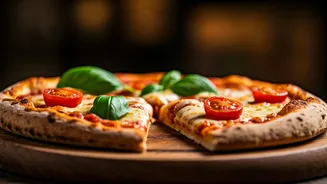
Before you even glance at toppings, get acquainted with the diverse world of pizza styles. Each pizzeria boasts a unique approach, from the pillowy, thick
crusts of deep-dish to the delicate, crisp bases of Neapolitan. Ordering without this knowledge is like buying a book without knowing its genre – you might be surprised by what arrives. Always take a moment to explore the menu's descriptions of crust types, baking methods, and overall pizza philosophy. This crucial first step prevents unwelcome surprises and ensures the pizza you receive aligns with your textural preferences, setting the stage for a delightful meal rather than a culinary gamble.
Master the Art of Toppings
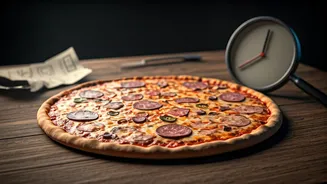
The allure of loading your pizza with every imaginable topping is strong, but restraint is often key to a superior pizza. An excessive number of ingredients can overwhelm the delicate balance of flavors and textures. More critically, a densely packed pizza can weigh down the dough, leading to a soggy, undercooked base that struggles to hold its structure. Instead of a chaotic flavor explosion, aim for a curated selection of complementary ingredients that enhance, rather than compete with, each other. This thoughtful approach allows each component to shine, contributing to a more harmonious and enjoyable eating experience where you can truly appreciate the quality of both the toppings and the crust.
Resist Over-Crispy Requests
While a slightly crisp crust is desirable, vociferously demanding 'extra crispy' or 'well-done' can often backfire, resulting in an unpleasantly overcooked pie. Pizzas are cooked at extremely high temperatures, and even minor deviations from the standard baking time can quickly turn a perfectly baked crust into a dry, brittle, or even burnt disappointment. The intense heat required for rapid cooking means that the edges can char while the center remains less than ideal. It’s generally best to trust the pizzeria's expertise and opt for their standard preparation, which is designed to achieve the optimal balance of chewiness and crispness without sacrificing moisture and flavor.
Read the Menu Deeply
The menu is your most powerful tool for a successful pizza order, yet it's often skimmed over. Beyond just the list of available toppings, carefully examine ingredient details, sauce options, and any specific preparation notes. Many establishments clearly outline what goes into their signature pizzas, allowing you to make informed decisions that align with your palate and dietary needs. Overlooking these details can lead to unexpected flavors or ingredients that don't suit you, potentially ruining what should have been a delightful meal. A thorough read ensures you're ordering exactly what you expect and desire.
Delay the Pizza Cut
Opting for a pre-sliced pizza might seem convenient, but it can significantly diminish the final eating experience. The act of cutting the pizza releases trapped heat and steam, which in turn causes the crust to lose its desirable crispness and become somewhat softer. For the best textural integrity and maximum flavor retention, it's advisable to have the pizza delivered unsliced and then cut it yourself just before serving. This simple step helps preserve the pie's warmth and structural integrity, ensuring that each slice remains delightfully crisp and enjoyable from the first bite to the last.
Consider Size and Value
When faced with the options, it's easy to overlook the subtle differences in pizza sizes and their impact on value. Many consumers don't fully evaluate the portion size offered by different options. Generally, a single larger pizza often presents a more economical choice than ordering multiple smaller ones. Taking a moment to compare the dimensions and prices of various sizes can lead to significant savings and ensure you're getting the most for your money. This strategic approach to sizing not only benefits your wallet but also helps in planning for adequate portions for everyone.
Guard Against Hunger Orders
Ordering pizza when famished can lead to impulsive decisions and an overabundance of food. Extreme hunger often triggers a desire to add everything appealing to the order, resulting in a quantity that far exceeds actual needs. This can lead to considerable food waste and an unnecessarily large bill. To combat this, try to place your order either before you feel ravenous or have a clear list of what you intend to purchase beforehand. This mindful approach helps in making rational choices and ensures you order just enough for a satisfying meal without overindulgence.
Balance Your Meal
While pizza is undeniably satisfying, consuming it as a standalone dish can sometimes leave one feeling overly heavy. To enhance the overall dining experience and promote a sense of well-being, consider incorporating complementary items. Adding a fresh salad, a light side dish, or a refreshing beverage can provide a welcome contrast and create a more balanced meal. This thoughtful addition not only adds variety but also helps to cut through the richness of the pizza, making the entire meal feel more complete and enjoyable, rather than just a singular, albeit delicious, heavy component.
Double-Check Everything
In the haste of placing an order, a crucial step that is often overlooked is the final review of your selections. It's incredibly easy for errors to creep in, whether it's a mistake with the toppings, an incorrect size, or a misunderstanding about special instructions. Taking just a minute to meticulously go over every detail of your order before confirming can prevent significant disappointment later. This simple act of diligence ensures that what you ordered is precisely what you receive, saving you potential frustration and guaranteeing a more accurate and satisfying pizza delivery.
Plan Around Peak Times
The timing of your pizza order can dramatically influence its quality and your satisfaction. During busy periods, such as evenings and weekends, pizzerias experience a surge in demand, often leading to longer wait times and potential compromises in freshness. Food prepared during peak rush hours might not receive the same careful attention, and the travel time can further impact temperature and texture. To mitigate these issues, consider ordering slightly earlier or later than the typical rush. This strategic planning allows for more focused preparation and a better chance of receiving a hot, crisp, and delicious pizza.
Manage Delivery Expectations
It's vital to recognize that a pizza delivered to your doorstep will inherently differ from one enjoyed fresh from an oven in a restaurant. The journey from the kitchen to your table involves travel time, during which the pizza's temperature and texture can change. Even impeccably made pizzas may lose some of their initial crispness or structural integrity en route. By maintaining realistic expectations about how delivery affects the pizza, you can better appreciate the meal for what it is and avoid disappointment, understanding that the convenience of delivery comes with slight trade-offs.