



The Sodium Trap
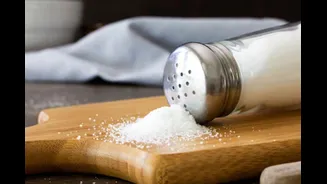
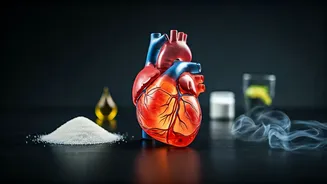
Many of us unknowingly consume far more salt than our bodies need, often through habit or the reliance on processed foods. This excessive sodium intake
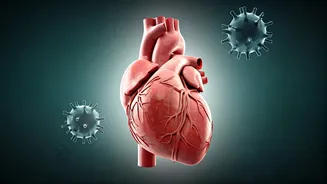
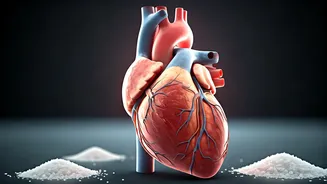
is a primary culprit in elevating blood pressure, a well-established risk factor for numerous cardiovascular ailments. When sodium levels in the bloodstream rise, the body retains more water to dilute it, leading to an increased volume of blood circulating through the vessels. This heightened volume exerts more pressure against the artery walls, causing them to harden and narrow over time. This condition, known as hypertension, forces the heart to work harder to pump blood, straining the organ and its surrounding vessels. Over the long term, this persistent strain can damage the delicate inner lining of arteries, paving the way for atherosclerosis – the dangerous buildup of fatty plaques. These plaques restrict blood flow, significantly increasing the likelihood of heart attacks and strokes. The insidious nature of high blood pressure often means it goes undetected for years, as it rarely presents obvious symptoms until significant damage has occurred.
Heart's Cry for Less Salt
Salt, specifically its sodium component, is a necessary nutrient for bodily functions such as maintaining fluid balance and supporting nerve and muscle activity, but only in very small quantities. When we exceed these modest requirements, the heart begins to face undue stress. Imagine the heart as a pump; if the pipes (arteries) become constricted and the volume of fluid (blood) increases, the pump has to exert considerably more force to push the fluid through. This constant overexertion weakens the heart muscle over time. Furthermore, the increased pressure within the arteries can lead to micro-tears in their inner lining. The body's natural repair process for these tears can contribute to the formation of plaque, a process that narrows the arteries and makes them less flexible. This reduced elasticity and narrower passageway severely impede blood flow, making it difficult for oxygen and nutrients to reach vital organs. This is the pathway that can tragically lead to acute events like a heart attack or a stroke.
Smart Swaps, Healthier Heart
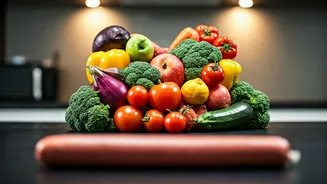
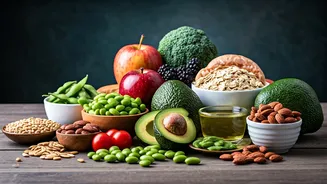
Taking control of your salt intake is a powerful, yet surprisingly simple, step toward safeguarding your heart's health. A crucial first move is to break the habit of automatically reaching for the salt shaker at meals or when cooking. Be mindful of hidden sodium in everyday items such as chips, pickles, processed snacks, and ready-to-eat meals, which are often saturated with salt for preservation and flavor. When grocery shopping, make it a habit to scrutinize food labels for sodium content and actively seek out 'low-sodium' alternatives. To add zest and flavor to your dishes without relying on salt, explore the vibrant world of herbs, spices, and citrus. A squeeze of lemon, a pinch of chili flakes, or an infusion of fresh cilantro can dramatically enhance taste. Prioritizing home-cooked meals provides you with direct control over the ingredients and the amount of salt used, enabling you to manage your intake far more effectively than relying on external sources.