
Strategic Data Center Location
The placement of data centers is not merely a matter of convenience; it is a strategic decision that carries substantial implications. The location can
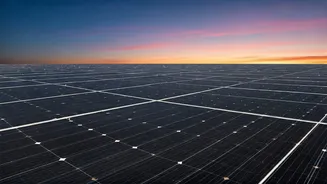
dramatically influence operational costs, energy efficiency, and overall performance. When planning where to put a data center, factors such as proximity to power sources, access to reliable internet connectivity, and the availability of skilled labor must be taken into account. Data centers are enormous consumers of electricity, so locating them in areas with lower energy costs is economically advantageous. Regions with access to renewable energy sources can further reduce the carbon footprint and operational expenses. In addition, the geographical position affects the speed of data transmission and latency. Placing data centers closer to the users minimizes latency, ensuring faster response times for applications and services. The availability of a skilled workforce is also vital. Data centers require trained professionals to manage and maintain the infrastructure. The physical environment is another critical element. Factors like temperature, humidity, and the risk of natural disasters must be considered to ensure the continuous operation of the data center. Data center location, therefore, is a complex equation involving financial, environmental, and technical considerations, all of which directly affect efficiency, performance, and sustainability.
Challenges in Cooling
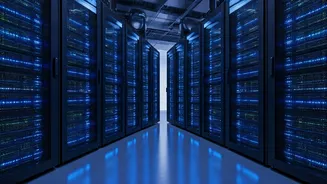
Data centers generate a massive amount of heat due to the intensive processing operations performed by servers and other hardware. This heat must be efficiently managed to prevent equipment failure and ensure optimal performance. Cooling systems are essential for maintaining the appropriate temperature and humidity levels within a data center. Traditional cooling methods often involve the use of air conditioning units, which circulate cool air throughout the facility. These systems can be energy-intensive, increasing operational costs. However, advancements in cooling technology are continually emerging. One method, called 'liquid cooling', uses fluids to directly absorb heat from servers. This method is more efficient and can significantly reduce energy consumption. Another effective approach is the use of 'free cooling', which takes advantage of external conditions to reduce cooling needs. Free cooling technologies leverage outside air or water to cool the data center, reducing reliance on mechanical refrigeration. Implementing these cooling solutions can improve the overall efficiency of the data center, reducing both operational costs and environmental impact. The ability to cool data centers effectively is, therefore, a core component of sustainable data center operation.
Report's Shocking Findings
Recent reports have unveiled significant insights into the global landscape of data centers. A notable finding is that a large percentage of data centers worldwide encounter unique operational obstacles. The exact nature of these challenges can differ depending on the specific location and circumstances, but frequently revolve around energy consumption and cooling requirements. The report's analysis suggested that many data centers are in locations where cooling is particularly challenging. The factors contributing to these challenges may include climatic conditions, infrastructure limitations, and the availability of efficient cooling technologies. Data centers in hot and humid climates often need more robust cooling systems, increasing energy costs. Limited access to water resources can also restrict the effectiveness of certain cooling methods. The findings underscore the importance of ongoing innovation in data center design and operation. There is an urgent need for sustainable practices that address the challenges to ensure that the infrastructure can meet the growing needs of the digital world. The report serves as a call to action for further research, development, and the implementation of efficient cooling strategies worldwide.