






Sunlight: The Undeniable Need
Many aspiring tomato growers underestimate the vital role of ample sunlight. Tomato plants are sun-worshippers, demanding at least six to eight hours of direct
sunlight daily to thrive and produce fruit. Insufficient light is a common culprit behind wilting plants and meager yields. It's crucial to assess your garden's sun exposure before planting. Locations that receive morning sun and some afternoon shade are often ideal, preventing scorching during the hottest parts of the day, but consistent, prolonged direct sun is paramount. Overcoming this hurdle involves careful site selection, perhaps even relocating existing shade-casting elements in your garden. Without adequate solar energy, the plants struggle to photosynthesize efficiently, leading to weak growth and a disappointing harvest, underscoring the primary importance of this fundamental requirement for successful tomato cultivation.
Watering Wisdom
Consistent watering is another critical factor often overlooked by new tomato gardeners. Tomatoes prefer steady moisture, but overwatering or erratic watering can lead to significant problems. Aim for deep watering rather than frequent shallow sprinklings. This encourages the roots to grow deeper, making the plant more resilient. Ensure the soil is consistently moist but not waterlogged. Irregular watering, especially during fruit development, can cause blossom end rot, a distressing condition characterized by dark, sunken spots on the bottom of the fruit. Mulching around the base of the plants can help retain soil moisture and regulate temperature, further aiding in consistent hydration. Learning to gauge the soil's moisture level by touch is a valuable skill that prevents both drought stress and root rot.
Soil Health and Nutrients
The foundation of healthy tomato plants lies in the soil. First-time growers often neglect the importance of nutrient-rich, well-draining soil. Tomatoes are heavy feeders and require a steady supply of nutrients throughout their growing season. Amending the soil with compost or well-rotted manure before planting provides essential organic matter and improves soil structure. Beyond initial preparation, regular feeding with a balanced fertilizer, formulated for tomatoes, is often necessary. However, it's crucial not to over-fertilize, particularly with nitrogen, which can promote lush foliage at the expense of fruit production. Understanding the plant's nutrient needs at different stages of growth allows for targeted feeding, ensuring robust development and abundant fruiting. Poor soil quality leads to weakened plants susceptible to pests and diseases.
Pest and Disease Vigilance
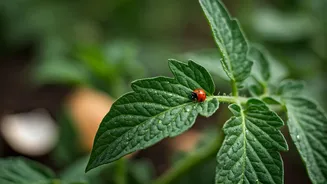
Dealing with pests and diseases is an inevitable part of growing tomatoes, and early detection is key for first-time gardeners. Many common problems, such as aphids, tomato hornworms, and fungal diseases like blight, can quickly decimate a crop if left unchecked. Regularly inspecting your plants for any signs of infestation or disease is paramount. This includes examining the undersides of leaves and looking for discolored spots or wilting. Implementing preventative measures, such as crop rotation and ensuring good air circulation around plants, can reduce the likelihood of issues. When problems do arise, identifying them quickly allows for prompt treatment, whether through organic pest control methods or appropriate fungicides. Learning to distinguish between minor issues and serious threats is a valuable lesson that saves plants and ensures a harvest.
Support Structures
Providing adequate support for tomato plants is a crucial step that many novice gardeners underestimate, leading to sprawling, unhealthy, and difficult-to-manage plants. As tomato plants grow, their stems become laden with fruit, making them prone to breaking or trailing on the ground. This ground contact not only makes the fruit susceptible to pests and diseases but also hinders air circulation, further increasing vulnerability. Implementing staking, caging, or trellising methods early in the plant's life is essential. These structures allow the plant to grow vertically, keeping the fruit elevated, improving sunlight penetration, and facilitating easier harvesting. Choosing the right support system depends on the variety of tomato being grown, with determinate varieties often benefiting from cages, while indeterminate types thrive with taller stakes or trellises. Early implementation of these systems prevents damage and promotes healthier, more productive plants.
Variety Selection Matters
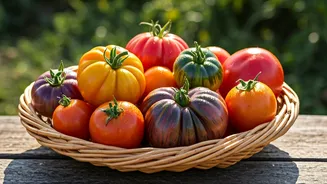
The sheer diversity of tomato varieties can be overwhelming for newcomers, but selecting the right type for your growing conditions and preferences is a lesson learned the hard way by many. Different varieties have distinct characteristics in terms of size, growth habit (determinate vs. indeterminate), disease resistance, flavor profiles, and ideal growing seasons. For beginners, choosing disease-resistant, bush-type (determinate) varieties that mature relatively quickly can be a good starting point, as they often require less complex support and management. Understanding whether a variety is suited for your climate, particularly its tolerance to heat or shorter growing seasons, is also vital. Researching and selecting varieties that match your intended use – whether for slicing, sauces, or salads – will enhance your overall satisfaction and success. A well-chosen variety sets the stage for a more manageable and rewarding growing experience.