







Spring's Gentle Unfurling
Montana's springtime awakening is a gradual affair, commencing in lower valleys and progressively advancing to higher elevations. Initially, resilient
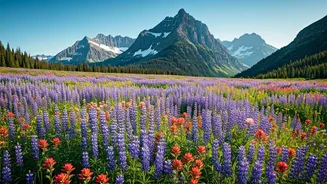
glacier lilies and arrowleaf balsamroot emerge through lingering snow. As the season progresses, the landscape transforms with the vibrant hues of lupine, paintbrush, and beargrass. This staggered bloom is dictated by elevation; plants at lower altitudes flourish earlier, while those in alpine regions await warmer conditions. Consequently, Montana's wildflower season is exceptionally long, potentially spanning from April all the way to September. Insights from U.S. Forest Service experts pinpoint ideal spots and periods for viewing these natural floral carpets.
Early Blooms: April to June
The initial wave of Montana's floral displays typically graces Custer Gallatin National Forest, particularly its prairie and foothills. In April and May, expect to see delicate glacier lilies and the Montana state flower, bitterroot. As May and June arrive, higher elevations within the forest begin to burst with color. This period offers a diverse range of blooms, including the striking arrowleaf balsamroot and the charming shooting stars. Further northwest, Flathead National Forest also comes alive with early blooms. Arrowleaf balsamroot often leads the charge, carpeting sunny lower-elevation slopes starting in May. The area around the historic Lake McDonald Lodge is a particularly scenic spot for enjoying these nascent spring blossoms.
Mid-Season Vibrancy: June to August
As summer takes hold, the wildflower spectacle intensifies across Montana's diverse landscapes. Within Flathead National Forest, the Danny On Trail offers an exceptional opportunity to witness a rich variety of flowers from June through early August. The hike to Finger Lake is also highly recommended, traversing varied habitats and revealing numerous flower-rich benches. For those seeking a less crowded experience in Flathead, the Jewel Basin area presents beautiful blooms, though it can be popular. In the southwestern part of the state, Beaverhead-Deerlodge National Forest experiences its wildflower peak from late June to early August. The opening of Gravelly Range Road around July 1 provides easy access to stunning floral displays without strenuous hiking. For a more adventurous pursuit, the Anaconda-Pintler Wilderness within the same forest, specifically Goat Flat, offers remote wildflower viewing. Helena-Lewis and Clark National Forest presents additional summer highlights, with the Willow Creek Trail near Augusta and trails around the town of Lincoln showcasing vibrant blooms. For those who appreciate wildflowers with a scenic water backdrop, exploring areas near Lincoln by water is also a rewarding option.
Late Summer's Grand Finale: August to September
While many of Montana's wildflower displays reach their zenith by late August, the higher elevations continue to offer a stunning show well into the fall. Custer Gallatin National Forest, especially its more mountainous regions, sustains its blooms through September. The key to experiencing this late-season beauty is to ascend to cooler, higher altitudes. During this period, hikers exploring these alpine areas can expect to encounter alpine forget-me-nots and vibrant fireweed. The Custer Gallatin National Forest also showcases species like paintbrushes, lupines, and columbines in its alpine meadows and mountain valleys during June and July. As July transitions into August, the scenery evolves with the tall stalks of beargrass and the intricate elephant's head lousewort flowers becoming prominent, creating a different kind of floral tapestry before the season's ultimate conclusion.