






The Viral Immersion Rod Curry
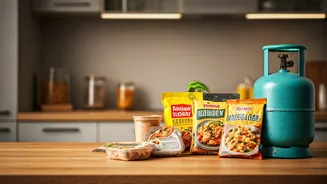
In a surprising display of resourcefulness amidst a widespread Liquefied Petroleum Gas (LPG) shortage across India, a video has captured public attention.
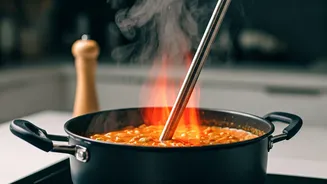
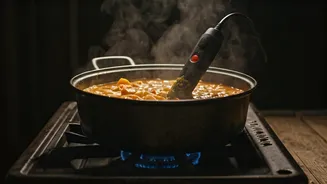
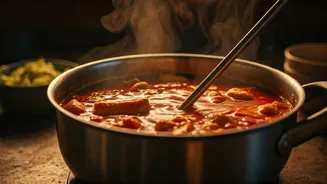
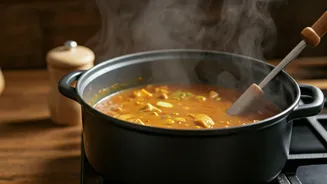
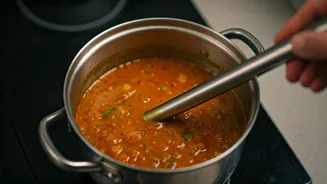
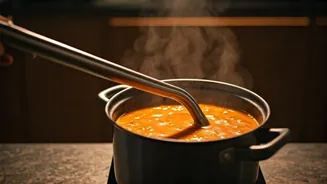
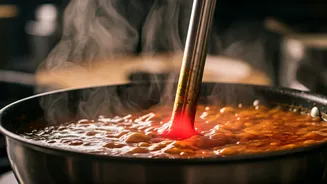
The clip, originating from an Instagram post by a project manager, illustrates an unconventional approach to meal preparation. The visual begins with the on-screen text "Gas gone, heat rod on," setting the stage for the unusual method. The core of the video features a man in a modest kitchen setting, with a pot of curry positioned on a stove. However, instead of igniting a conventional gas flame, he introduces an immersion rod directly into the simmering curry. The footage then demonstrates the curry gradually heating up, implying that the rod is effectively cooking the dish. Immersion rods are typically designed for heating liquids like water for bathing or cleaning purposes, not for direct food preparation. This stark deviation from the appliance's intended use highlights the extreme lengths to which people are going to prepare meals when traditional cooking fuels are unavailable.
Social Media's Divided Reaction
The circulation of the immersion rod curry video inevitably ignited a flurry of online commentary, revealing a spectrum of public reactions ranging from amusement to significant concern. Many users found humor in the situation, with one remarking, "Minto ka kaam ghanto mai," a Hindi phrase that playfully suggests taking a long time to do something that should be quick, perhaps referencing the perceived inefficiency or novelty of the method. However, a substantial number of netizens voiced serious apprehensions regarding the safety and health implications of such cooking practices. Cautionary notes were prominent, with one user pointing out, "Immersion rods are designed for heating water for bathing or cleaning, not for direct food preparation. This can cause severe stomach infections." Another commenter echoed this sentiment, advising, "Don’t eat food cooked in this style; this heater leaves residue after using for a while, so think before you act and always cook food on gas or with our primary Indian style by burning wood." On a lighter note, some users drew parallels to earlier eras of cooking, with one person quipping, "People before the induction stove was invented," evoking a sense of historical culinary evolution and adaptation.
Household Coping Strategies
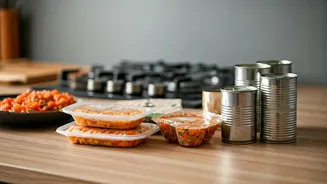
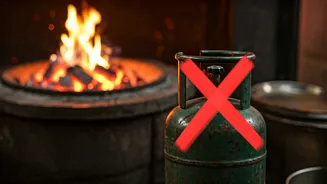
This striking video serves as a small window into the broader adaptive strategies being employed by Indian households struggling with the ongoing scarcity of LPG. The limited availability of cooking gas cylinders has compelled numerous families to explore and implement alternative methods to ensure their daily meals are prepared. Beyond the unconventional use of immersion rods, these adaptations include a return to more traditional cooking apparatuses like wood-fired stoves, which have been a staple in many rural and some urban Indian kitchens for generations. Furthermore, the reliance on electric appliances beyond immersion rods, such as electric stoves, induction cooktops, or even electric kettles for basic heating needs, is also on the rise. In some instances, to circumvent the need for extensive cooking altogether, households are increasingly opting for simpler, no-cook meal preparations, relying on ingredients that require minimal or no heat application, thereby reducing their dependence on scarce cooking fuel.
Rethinking Meals and Fuel
The current LPG shortage is not only prompting a shift in cooking methodologies but is also fundamentally altering the types of meals people are preparing and consuming. Families are consciously selecting dishes that demand less cooking time and, consequently, less fuel. This includes a move away from elaborate curries or slow-cooked preparations towards quicker, more convenient options. Even seemingly simple items like a cup of tea are being re-evaluated; in some cases, readily available, quicker alternatives like hot lemon water are being substituted to conserve fuel and time. This recalibration of meal choices reflects a broader societal adjustment, where culinary habits are being reshaped by immediate resource constraints. The trend indicates a growing emphasis on efficiency and conservation in daily domestic routines, driven by the necessity to manage dwindling fuel supplies effectively.