






Sleep: The New Diet?
Nutritionist Ryan Fernando posits that sleep is the next frontier in health, akin to diet. He suggests that prolonged sleep facilitates a greater release
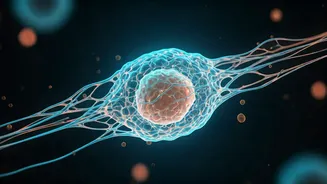
of stem cells, which he likens to contractor cells. These cells are vital for repairing bodily damage and clearing out toxins. Fernando notes that while a 4-hour sleep yields about 30-40 minutes of Slow Wave Sleep (SWS), exceeding 7 hours essentially doubles the availability of these crucial contractor cells. He emphasizes that sleep's restorative capabilities make it as fundamental to well-being as nutrition, framing it as the 'new diet' for optimal bodily function and repair.
Stem Cells & Sleep Science
While the idea of more sleep equaling more stem cells is compelling, experts advise a nuanced view. Dr. Neetu Jain, a specialist in Sleep Medicine, confirms that adequate sleep is indeed essential for tissue repair, immune system regulation, and maintaining hormonal balance. During deep sleep stages, the body releases growth hormone, a key component in cellular repair and regeneration. However, she clarifies that direct, large-scale scientific proof in humans for a dramatic increase in stem cell release solely from extended sleep duration is limited. The biological connection is plausible and indirectly supported, but the assertion that 'more sleep equals more stem cells' should be approached with caution, as excessive sleep beyond recommended durations can also present potential risks and may indicate underlying health issues.
The Power of Slow Wave Sleep
The importance of Slow Wave Sleep (SWS) cannot be overstated, as it represents one of the most restorative phases of slumber. During SWS, the body experiences its highest surge of growth hormone, crucial for muscle repair and bolstering immune defenses. Beyond physical restoration, SWS plays a significant role in cognitive function. Dr. Jain highlights its connection to the glymphatic system, the brain's efficient waste removal network. This system actively clears out metabolic byproducts and toxins that accumulate in the brain throughout the day. Consequently, insufficient sleep, such as only obtaining 30-40 minutes of SWS from a 4-hour sleep, means missing out on these vital detoxification and repair processes.
Seven Hours: The Sweet Spot?
The notion that sleeping over seven hours 'doubles' cellular repair cells is an attractive concept, but scientific consensus suggests it's not a literal doubling. Major sleep guidelines for healthy adults recommend a nightly sleep duration of seven to nine hours, a range consistently linked to optimal physical and mental health outcomes. While exceeding seven hours can certainly offer better recovery than chronic sleep deprivation, there's no strong evidence to suggest it literally doubles the body's repair capacity. Interestingly, consistently sleeping for more than nine or ten hours has been associated in some research with increased cardiometabolic risks, although this may be reflective of pre-existing health conditions rather than a direct consequence of extended sleep. Therefore, prioritizing consistency and quality of sleep over simply maximizing hours is key.
Sleep vs. Diet: A Triad of Health
Sleep, diet, and exercise collectively form the fundamental pillars of overall health. Sleep profoundly influences critical bodily functions such as appetite regulation hormones, glucose metabolism, cardiovascular health, immune system effectiveness, and mental well-being. Chronic sleep deprivation is recognized as a contributing factor to various health issues, including obesity, diabetes, hypertension, depression, and a weakened immune system. Inadequate sleep can actively undermine the benefits derived from a healthy diet and regular exercise by disrupting metabolic processes and hindering recovery. Rather than viewing sleep as a replacement for diet, it's essential to understand that it complements it, acting as an equally indispensable component for sustained long-term health, not merely a fleeting trend.