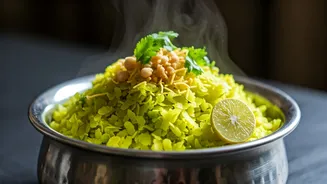

Essentials for Poha
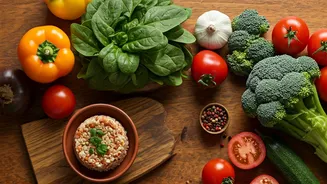
To begin creating a batch of delicious Poha, you will need a few key ingredients. Start with the flattened rice, which is the heart of the dish. Ensure
you select the right kind; it should be light and not too thick, as this affects the texture. Then, gather your onions, potatoes, green chilies, and curry leaves for that aromatic base. Don't forget the spices: turmeric for color and taste, mustard seeds for a pop, and asafoetida (hing) for a subtle savory hint. You'll also need fresh coriander leaves for garnishing, a squeeze of lemon for zest, and the classic touch of sev to complete the experience. The quantity of ingredients depends on the number of servings you're aiming for, but these basics remain constant for the ideal Poha experience. Remember that the quality of these ingredients contributes significantly to the final taste, so fresh produce and good-quality spices are essential for a perfect dish.
Preparing the Flattened Rice
The preparation of the flattened rice is crucial. It’s important to wash the poha before cooking to ensure it becomes soft and absorbs the flavors well. The most important step involves washing the flattened rice gently under cold water. Avoid washing it too rigorously, as this can turn it mushy. After rinsing, quickly drain the water. Then, allow it to soak for a brief moment, just enough to soften, typically about 2–3 minutes. The goal is to achieve a light, airy texture, not a soggy mass. While the flattened rice softens, set it aside so that it can sit for a few minutes while you prepare the other ingredients. This process allows the poha to absorb moisture without becoming overly saturated, ensuring it cooks evenly and doesn't clump together. This step is a cornerstone for the finished texture, setting the stage for a wonderful breakfast.
Tempering the Spices
The tempering process is where the magic begins. Start by heating oil in a pan over medium heat. Add mustard seeds and wait for them to splutter, which indicates they're ready and releasing their aroma. Then, introduce the curry leaves and green chilies. Sauté until the chilies soften and the leaves release their fragrance. This step is critical; it infuses the oil with the flavors that will define your Poha. Next, add the onions. Sauté them until they turn golden brown. After this, include the diced potatoes and cook until they soften, adding a touch of salt to help them cook evenly. This base, built on spices and patience, sets the foundation for a vibrant dish. Remember, a well-tempered base ensures every bite of your Poha is rich with flavorful depth.
Combining Ingredients
Once the tempering is ready, it's time to combine everything. Add the softened flattened rice to the pan, ensuring it’s evenly mixed with the spiced base. Now, gently incorporate the turmeric powder. Stir carefully to ensure all of the poha is coated. At this point, you can season with salt. Mix everything softly to avoid breaking the flattened rice. Cover the pan and let it steam for a few minutes. This process allows the flavors to meld together and the poha to become tender. Check the Poha occasionally to make sure it doesn’t dry out, adding a splash of water if needed. A good tip is to stir it gently throughout the cooking process. Be sure not to overcook, keeping the Poha fluffy and moist, yet retaining some texture for the best eating experience. When it is done, your Poha should be vibrant in color and fragrant with the aromas of the spices.
Serving and Garnishing
The final step transforms a simple dish into a delightful experience. Transfer the finished Poha to a serving dish. Garnish with fresh coriander leaves, finely chopped. Give a generous squeeze of fresh lemon juice, to add a tangy twist. The sourness enhances the flavors. Finally, sprinkle with sev (crispy chickpea flour noodles) for the added textures. The texture of the dish should be light and airy, with each element contributing to the overall taste and satisfaction. Present it attractively; it's a dish meant to be enjoyed with the eyes as well. It should be served warm, straight from the pan. Serving Poha is not just about the food but also about the enjoyment. Enjoy your homemade, perfectly prepared Poha.