
Pink Lake Phenomenon
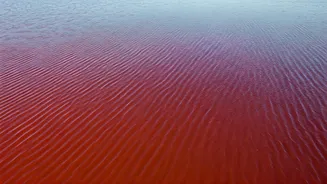
The remarkable pink coloration of these lakes is primarily due to the presence of halophilic (salt-loving) algae and bacteria, such as Dunaliella salina.
These microorganisms produce carotenoids, natural pigments that give them a reddish hue. The intensity of the pink color often varies based on factors like salinity, water temperature, and sunlight exposure. Higher salt concentrations typically lead to a more vibrant pink. The specific types of bacteria and algae present, alongside the concentration of minerals, also influence the precise shade, ranging from soft pastels to intense, almost shocking pinks. It's a complex interplay of natural processes that result in these stunning spectacles found worldwide.
Las Coloradas, Mexico
In the Yucatán Peninsula of Mexico lies Las Coloradas, a series of shallow, salt-producing ponds, where the pink is particularly vivid. The color here is intensified by high salinity and the presence of red-colored algae. The combination of the bright pink water and the white salt deposits creates an almost surreal landscape that's a photographer's dream. The area is also a vital habitat for flamingos, which further enhance the scenic beauty. Although the color is primarily caused by natural processes, the salt extraction activities also influence the appearance and vibrancy of the water. Tourists are attracted by the visual splendor and often visit these salt pans to capture stunning photographs of the unique environment.
Hutt Lagoon, Australia
Western Australia is home to Hutt Lagoon, a large, pink lake known for its seasonal color variations. The pink hue here is caused by the Dunaliella salina algae, which thrive in the lake's salty waters. Depending on the time of year and the water's salt content, the color can range from a light pastel pink to a deep reddish-pink. Aerial views provide the most dramatic perspective, showing the vast expanse of pink water contrasting with the surrounding landscape. The lake also supports a commercial harvesting operation for the algae, which is used to produce beta-carotene, a dietary supplement and food coloring. This makes Hutt Lagoon not only visually stunning but also economically significant.
Lake Natron, Tanzania
Lake Natron in Tanzania presents a very different spectacle. While it isn't always pink, its high salt content and alkalinity support the growth of cyanobacteria, which produce a red pigment. These organisms thrive in the harsh conditions, giving the lake a reddish hue, particularly during the dry season. The lake's unique environment is also a crucial breeding ground for lesser flamingos. The high salt and alkaline levels create an environment where the bodies of animals that die in the lake can become calcified, giving them an eerie, otherworldly appearance. This creates a haunting but spectacular landscape. Visiting Lake Natron offers a chance to see a dramatic interplay between life and the elements.
Lake Tuz, Türkiye
Lake Tuz, located in Turkey, is another of the world's large salt lakes. During the dry summer months, the water evaporates, leaving behind a vast expanse of salt flats. The lake often takes on a pink appearance, thanks to the presence of salt-loving bacteria and algae, similar to other pink lakes. The intensity of the pink varies depending on the amount of water remaining and the concentration of the microorganisms. The area provides a critical habitat for various bird species, including flamingos. It's a significant site for salt production, and is also an important location for tourism. The contrast between the pink waters, the white salt flats, and the blue sky offers a striking visual experience.
Lake Retba, Senegal
Lake Retba, or Lac Rose, in Senegal, is famous for its vibrant pink color. The high salt content supports the growth of Dunaliella salina algae, causing the intense pink hue. The color is most pronounced during the dry season, when the salt concentration is at its highest. Local people work in the lake to harvest salt, covering their bodies in shea butter to protect their skin from the high salinity. The pink of the lake varies with the season, sunlight, and wind, adding dynamic visual interest. This lake's location near Dakar also makes it an easily accessible and highly memorable destination for tourists and photographers.
Lonar Lake, India
Lonar Lake in Maharashtra, India, is a unique natural site. It's a crater lake formed by a meteorite impact, and its waters have a characteristic pinkish tinge. The color is attributed to the presence of haloarchaea microbes, which thrive in the lake's high salt content. The lake's water chemistry, including its alkalinity and salinity, also contributes to the color, which intensifies during certain times of the year. This lake presents a stark contrast to its lush surroundings, and is considered an important geological and ecological site. Lonar Lake provides a unique and memorable landscape for both scientific studies and tourism, making it a distinctive feature in the Indian landscape.
Salt Lagoons Worldwide
The list of pink lakes expands to include other locations. Las Salinas de Torrevieja in Spain offers another example of a pink salt lake. Lake Hillier in Western Australia provides another, consistently pink location, that is a popular tourist destination. Laguna Colorada in Bolivia presents another view, where the pink is intensified by a contrast of red algae and white borax islands, creating a stunning visual display. Lake Elton in Russia, is also known for its seasonal pink coloration. Salinas de Walvis Bay in Namibia, offers another example of these captivating natural sites. Lake Lemuria in Ukraine, shows that these lakes can appear nearly anywhere. Lake Grassmere in New Zealand and Great Salt Lake (North Arm) in Utah, USA also showcase the pink lake phenomenon. Finally, Kealia Pond in Maui, Hawaii, which is affected by changing salinity levels, complete the diverse collection of these captivating sites.