





Understanding Ghee's Role
Ghee, a cornerstone of traditional Indian culinary practices, is celebrated for its rich flavor and aromatic qualities. For generations, it has been a fundamental
ingredient in kitchens across India, adding a distinct character to a myriad of dishes. Despite its widespread use, the modern market presents a variety of ghee products, leading to confusion and a proliferation of myths about its health implications. To navigate this landscape effectively, it's essential to gain a clear understanding of ghee's nutritional profile and dispel common misconceptions, ensuring its responsible inclusion in a balanced dietary approach. Expert opinions are vital in clarifying these doubts and fostering informed consumption habits, allowing individuals to enjoy the benefits of ghee without apprehension.
Ghee: Quantity and Nutrition
When considering ghee for daily consumption, a key piece of advice from physicians suggests a moderate intake of approximately one teaspoon per day. This portion size is estimated to contain around 45 calories. Nutritionally, ghee is characterized by its high saturated fat content. However, it also provides beneficial fatty acids and essential fat-soluble vitamins, specifically vitamins A, D, E, and K. These vitamins are crucial for various bodily functions, and their presence in ghee can be advantageous, provided the consumption remains within recommended limits. The balance of these components underscores the importance of mindful portioning to harness ghee's positive attributes without overindulgence.
Busting Ghee Myths
Concerns about ghee often stem from its classification as a saturated fat, leading to prevalent myths regarding its impact on health. One of the most common misconceptions is that ghee invariably leads to weight gain. However, experts clarify that weight gain is a consequence of consuming more calories than the body expends, irrespective of the food source. Therefore, maintaining portion control, such as adhering to 1-2 teaspoons daily, is paramount. When balanced with regular physical activity and an overall healthy diet, moderate ghee consumption does not automatically result in obesity. Another significant myth suggests that individuals with heart conditions must entirely avoid ghee. Medical professionals indicate that this is not necessarily true. Heart patients may be advised to consume small amounts after consulting with their doctor and undergoing regular monitoring of their lipid profiles. Complete avoidance is often not required, and ghee can be integrated into a heart-healthy lifestyle that includes exercise, a fiber-rich diet, and consistent cholesterol checks. Nevertheless, individuals with specific conditions like high LDL cholesterol, uncontrolled diabetes, or existing coronary artery disease should always seek professional medical guidance before making ghee a regular part of their diet.
Identifying Pure Ghee
As the market offers a variety of ghee products, discerning pure ghee from adulterated versions is crucial for health-conscious consumers. One popular variant gaining traction is A2 ghee, particularly derived from Gir cows. However, its rising popularity also amplifies the challenge of identifying authentic products. Experts recommend several time-tested methods to ascertain purity. Ghee produced through the traditional 'Bilona' method, which involves hand-churning curd and slow heating, is considered superior. This process gently separates the natural fats, preserving nutritional value and resulting in a characteristic golden hue, a soft, granular texture, and a subtle, natural aroma. Crucially, pure ghee should not contain any additives or blended fats. Transparency in the ingredient list, traceable sourcing, and a clearly explained manufacturing process are the strongest indicators of authenticity. Consumers should look for these markers to ensure they are purchasing genuine ghee.
Tests for Ghee Purity
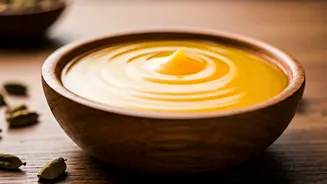
To further assist consumers in verifying the quality of ghee, several straightforward tests can be performed at home. A simple melting test involves rubbing a small quantity of ghee between your palms; pure ghee should melt quickly at body temperature and become oily. If it remains solid or clumps, it may be adulterated. Observe the color: pure ghee typically exhibits a golden-yellow shade. Deviations towards being excessively white or very dark could signal impurities. The aroma test is also informative; pure ghee possesses a distinct nutty fragrance. Any rancid smell or artificial scent suggests it's not pure. Lastly, the water test can be conducted by adding a few drops of water to a small amount of ghee in a transparent bowl. Pure ghee will resist immediate dissolution and maintain its texture, whereas adulterated ghee might dissolve or form a cloudy mixture.
Benefits of Pure Ghee
Beyond dispelling common myths, incorporating pure ghee into one's diet offers a range of nutritional advantages. It is a rich source of essential fat-soluble vitamins, including A, D, E, and K, which play vital roles in bodily functions. Regular consumption, in moderation, can contribute to a strengthened immune system and enhance the body's ability to absorb nutrients from other foods. Ghee also acts as a potent antioxidant and possesses anti-inflammatory properties, which can contribute to overall health and well-being. Furthermore, it is known to support digestive health and improve gut function. For external benefits, ghee is also recognized for its positive impact on skin and hair health. Additionally, it serves as an excellent source of energy and is beneficial for cognitive function and overall brain health.