
Porosity: The Key Factor
Many of us select hair products based on promised results for specific hair textures like curls or straightness, often ending up with bottles filled with ineffective
solutions. Trichologists emphasize that hair porosity, not just curl pattern, is the most significant determinant of hair health and how it interacts with moisture. Porosity refers to your hair's capacity to absorb and retain liquids. Without understanding your hair's porosity, your efforts to hydrate and nourish it are essentially guesswork. This property dictates how easily moisture penetrates the hair shaft and, critically, how well it's retained. It's the underlying reason why some products work wonders for one person but fall flat for another, influencing everything from dryness to greasiness.
Understanding Hair Cuticles
To grasp hair porosity, visualize the outermost layer of your hair strand as a protective shield made of overlapping scales, known as the cuticle. The condition and arrangement of these scales significantly influence moisture absorption. When the cuticle scales lie flat and tight against the hair shaft, they form a barrier that makes it difficult for moisture to enter. Conversely, if the cuticle scales are raised, open, or even damaged, moisture can enter quickly but also escape just as rapidly. This behavior of the cuticle layer is what categorizes your hair into different porosity levels, fundamentally affecting how your hair responds to water, conditioners, and styling products, making it either 'hard to get' moisture or prone to losing it quickly.
Low Porosity: The Fortress
Individuals with low porosity hair often experience water beading on the surface, and products like rich oils may feel like they're just sitting on top, leading to greasiness rather than genuine hydration. This is because the hair cuticles are tightly packed, creating a robust barrier that resists moisture penetration. Key indicators include hair taking an extended period to become fully saturated when wet and a lengthy air-drying time, often remaining damp for hours. Heavy moisturizing ingredients, such as shea butter, can weigh down low porosity hair, making it feel heavy and unpleasant. To effectively hydrate low porosity hair, introducing heat through methods like steam caps or warm towels during conditioning can help gently lift the cuticles. Opting for lightweight, water-based products and humectants like glycerin, honey, and aloe vera is beneficial. Regular clarification is also essential to prevent product buildup, which can further seal the cuticle and impede moisture absorption.
High Porosity: The Sponge
High porosity hair is characterized by gaps and spaces within the cuticle layer, which can be due to genetics, chemical treatments, or heat damage. This hair type rapidly absorbs moisture but struggles to retain it, as the open cuticles allow hydration to escape just as quickly as it enters. Signs of high porosity include hair getting wet almost instantaneously and drying extremely fast, sometimes within an hour. It is also more prone to frizz, tangles, and a dull appearance. The primary goal for high porosity hair is to seal in moisture effectively. Utilizing methods like the LOC (Liquid, Oil, Cream) technique is crucial, as heavier sealants like castor oil or shea butter can create a protective barrier. Protein treatments containing ingredients such as wheat, silk, or keratin are also beneficial, as they help to fill the gaps in the cuticle structure and improve moisture retention, leading to smoother, more manageable hair.
Simple Porosity Test
While the 'hair float test' is often cited, its accuracy can be compromised by surface tension or residual oils on the hair. A more reliable and practical method is the Spray Bottle Test. Begin by ensuring your hair is clean and completely dry. Take a small, isolated section of your hair and lightly mist it with water from a spray bottle. Observe how the water interacts with your hair strands. If the water beads up and sits on the surface without being absorbed quickly, it's a strong indicator of low porosity hair. However, if the water is immediately absorbed into the hair shaft, appearing to soak in instantly, this suggests high porosity hair. This straightforward test offers a clear indication of your hair's porosity, guiding you toward more effective care strategies.
Choosing Smart Products
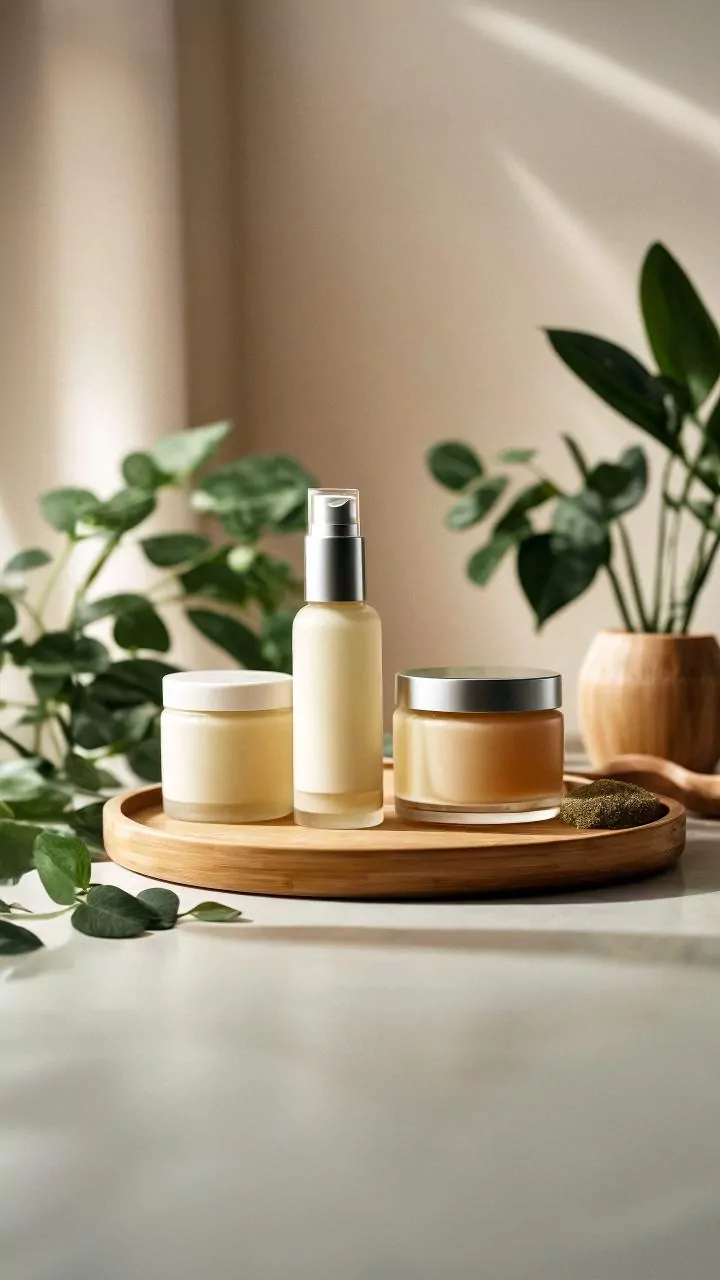
Moving forward, shift your focus from descriptive shampoo labels to the ingredient list. For low porosity hair, prioritize products with water-based hydration and lightweight humectants to encourage moisture absorption without heaviness. Conversely, high porosity hair benefits from ingredients that help seal and fortify the cuticle. Look for products rich in oils, butters, and proteins that can help fill the gaps in the cuticle layer and prevent moisture loss. By understanding your hair's porosity and selecting products based on their ingredients and their ability to address your specific porosity needs, you can significantly improve your hair's health, manageability, and overall appearance, saving both time and money in the long run.