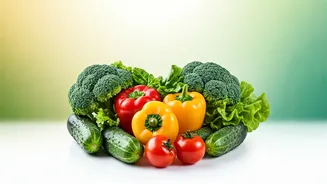

DASH Diet Overview
The DASH diet, short for Dietary Approaches to Stop Hypertension, is much more than a simple eating plan; it's a comprehensive approach to improve overall
health, with a specific focus on lowering blood pressure. It emphasizes the consumption of foods rich in nutrients like potassium, calcium, and magnesium, all of which play a crucial role in regulating blood pressure. By limiting saturated and trans fats, cholesterol, and sodium, the DASH diet effectively addresses the primary dietary factors that contribute to hypertension. This dietary strategy not only helps control blood pressure levels but also offers numerous additional health benefits, reducing the risk of heart disease, stroke, and certain cancers. The emphasis is on a balanced intake of fruits, vegetables, whole grains, lean proteins, and low-fat dairy, creating a sustainable and enjoyable approach to healthier living.
Who Can Benefit?
The DASH diet is primarily designed for individuals dealing with high blood pressure, also known as hypertension. However, its benefits extend far beyond just those diagnosed with this condition. It's a beneficial choice for anyone looking to improve their heart health and overall well-being. People with prehypertension, where blood pressure is elevated but not yet at the level of hypertension, can proactively use the DASH diet to prevent the onset of high blood pressure. Additionally, individuals with a family history of hypertension or those at increased risk due to lifestyle factors such as a sedentary lifestyle, unhealthy diet, and stress can also significantly benefit from this eating plan. It's also an excellent option for those looking to manage their weight and improve cholesterol levels. Essentially, the DASH diet is a versatile and adaptable eating plan suitable for a wide range of individuals seeking to embrace a healthier lifestyle.
Key Food Groups
The cornerstone of the DASH diet lies in its emphasis on specific food groups. Fruits and vegetables are heavily promoted, offering vital vitamins, minerals, and fiber. Whole grains, which are preferred over refined grains, provide essential nutrients and help regulate blood sugar levels. Lean proteins, like poultry, fish, and beans, are favored, ensuring a good protein intake without excess saturated fats. Low-fat dairy products contribute calcium and other nutrients essential for overall health. A typical DASH diet encourages the consumption of several servings of fruits and vegetables daily, along with a focus on whole grains over processed options. Lean protein sources should be chosen to replace red meats and processed foods. The diet also highlights limiting saturated and trans fats, cholesterol, and sodium intake, with sodium guidelines forming an important part of the overall strategy.
Foods to Limit
To make the DASH diet truly effective, it’s just as important to understand which foods should be limited or avoided. Foods high in saturated and trans fats, such as fatty meats, fried foods, and processed snacks, are discouraged. Red meats, which often contain higher levels of saturated fats, should be eaten sparingly. Processed foods, which are often packed with sodium, should be minimized. Sweetened beverages, like soda and fruit juices with added sugar, are best avoided. High-sodium foods, including processed meats, canned soups, and salty snacks, should also be limited as sodium significantly impacts blood pressure levels. The goal is to reduce overall sodium intake and limit foods that contribute to high cholesterol and unhealthy fats. These modifications are crucial for effectively managing blood pressure and promoting overall health through the DASH diet.
Sodium Guidelines
Sodium intake is a critical element within the DASH diet. The general recommendation is to limit sodium to no more than 2,300 milligrams per day. For some people, especially those with pre-existing hypertension or those at risk of hypertension, an even lower intake of 1,500 milligrams per day may be recommended. This is because sodium increases blood volume, which raises blood pressure. To follow these guidelines, individuals should pay close attention to the sodium content of packaged foods, and choose fresh, unprocessed foods whenever possible. Using herbs and spices to add flavor instead of salt, and reading food labels carefully, are crucial steps in managing sodium intake. Cooking at home allows for better control of the sodium content in meals. The sodium guidelines are a fundamental aspect of the DASH diet’s effectiveness in reducing and controlling high blood pressure.