




Smart Breakfast Choices
Start your day right with diabetic-friendly Indian breakfast options that provide sustained energy and help regulate blood sugar levels. These dishes prioritize
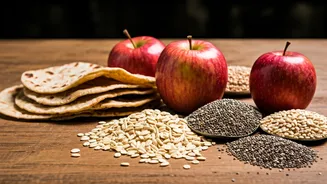
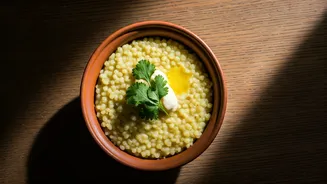
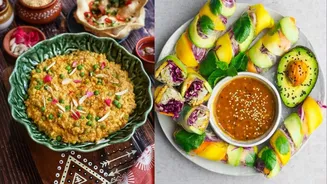
ingredients with a low glycemic index (GI) and are rich in essential nutrients. For instance, Oats Upma, made with high-soluble fiber oats, slows sugar absorption, offering a comforting and beneficial start. Ragi Dosa or Uttapam, a staple known for its extremely low GI and calcium content, is another excellent choice. The protein-packed Moong Dal Cheela or Chilla, with its very low GI, provides a quick and satisfying meal. Quinoa Dosa/Upma offers complete protein and a lower GI than traditional rice. Besan (Chickpea Flour) Chilla is a protein powerhouse that's quick and customizable. Moong Dal Idli, especially variants with spinach, is light and low in carbs. Bajra or Jowar Roti, made from nutrient-rich millets, are excellent sources of fiber and minerals with a low GI. Broken Wheat (Dalia) Upma is highly filling and has a low GI. Sprouted Moong Salad or Dhokla are packed with protein and fiber, having almost no impact on blood sugar. Finally, Mixed Sprouts Poha offers a healthier alternative to traditional poha, with added fiber from vegetables and peanuts, making these breakfasts both nourishing and delicious.
Diabetic-Friendly Main Meals
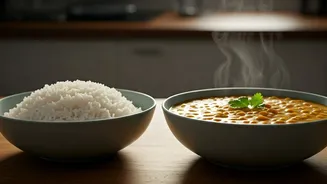
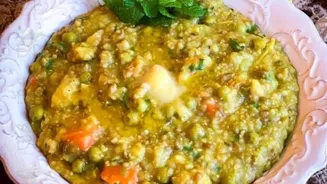
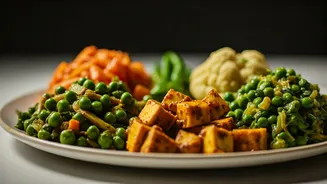
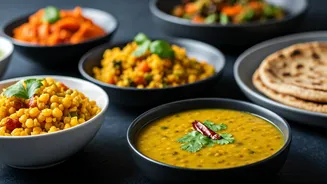
Elevate your lunch and dinner with wholesome Indian vegetarian dishes that are carefully crafted to support diabetes management. These recipes focus on balancing complex carbohydrates, lean proteins, and abundant fiber to ensure stable blood sugar levels. Consider embracing Sabzi recipes that utilize low-GI vegetables like bottle gourd (lauki) or fenugreek leaves (methi), prepared using healthier cooking methods such as steaming, baking, or minimal sautéing. Salads featuring fiber-rich ingredients like sprouts, beans, and various colorful vegetables, dressed lightly, can serve as both a side dish or a light meal on their own. Khichdi, especially when made with millets like bajra or whole grains like broken wheat, and combined with lentils and vegetables, provides a complete and comforting meal that aids in blood sugar control. These main meals are designed to be satisfying, flavorful, and fundamentally supportive of a diabetic lifestyle, ensuring that every bite contributes to better health without sacrificing the rich tapestry of Indian cuisine.
Smart Snacking & Drinks
Maintain stable energy levels and curb cravings between meals with a selection of healthy Indian vegetarian snacks and drinks tailored for diabetes management. These options are designed to be low in refined sugars and high in nutrients that won't cause blood sugar spikes. Guilt-free snacks include options like Moong Sprouts Tikki, which are packed with protein and fiber, or Kala Chana Sundal, a savory chickpea preparation that is both filling and nutritious. Steamed Doodhi Muthiya offers a light and digestible choice. For beverages, consider fresh Karela (Bitter Gourd) Juice, known for its blood-sugar-regulating properties, or opt for simple, unsweetened drinks. Incorporating these snacks and drinks into your daily routine helps manage hunger effectively, prevent overeating during main meals, and contribute to overall better diabetes control, proving that mindful choices can also be delightful.
Key Dietary Principles
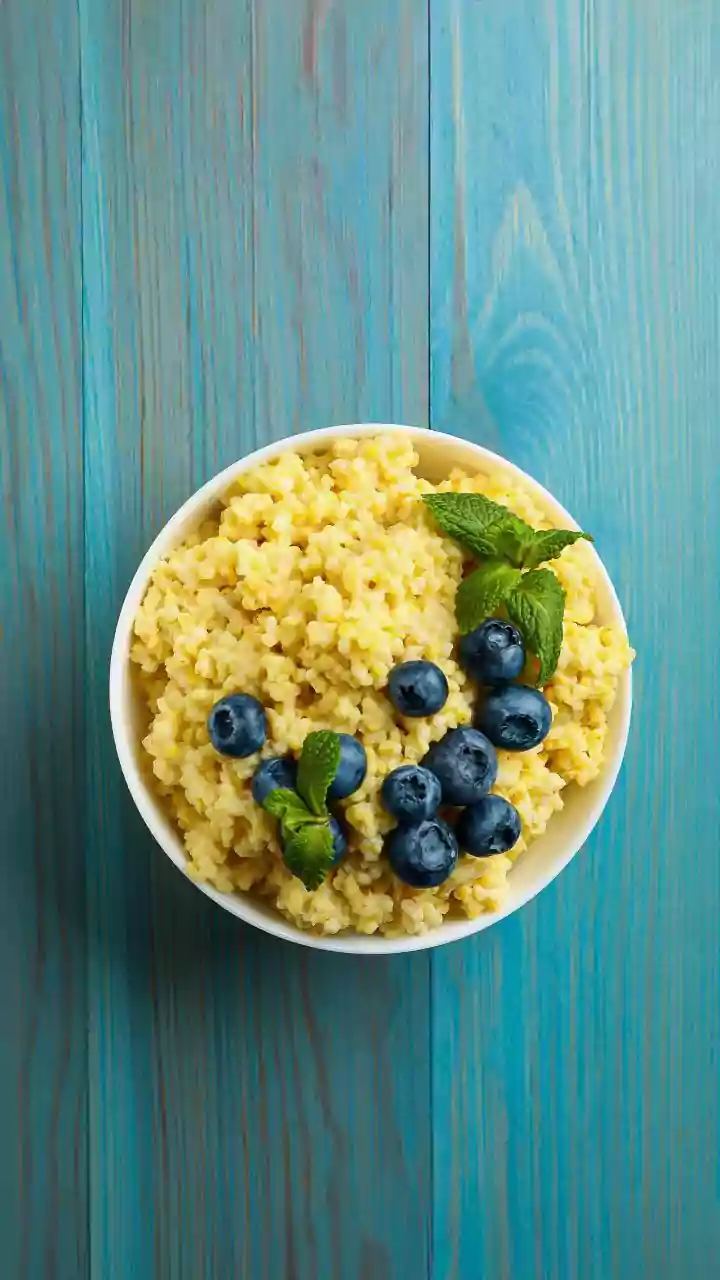
Effectively managing diabetes through diet involves making informed food choices and adopting specific eating habits. Prioritize complex carbohydrates from whole grains like jowar, bajra, oats, and quinoa, which release sugar slowly, over refined grains. Ensure each meal includes a source of lean protein, such as dals, low-fat paneer, or sprouts, to aid in cell maintenance without overburdening the kidneys. Consuming a generous amount of fiber from raw vegetables, fruits, and pulses is crucial for stabilizing blood sugar. Strictly limit high-sugar fruits like mangoes and bananas, as well as starchy vegetables. Incorporate a daily bowl of sprouts for satiety and blood sugar control. Minimize fat intake to around 3 teaspoons daily, avoiding fried snacks. Steer clear of processed foods like maida and biscuits, which have a high glycemic index. Eliminate sugar, jaggery, and honey, opting for natural sweeteners like dates in moderation or artificial sweeteners cautiously. Avoid carbonated drinks and alcohol. When preparing soups and gravies, skip thickeners like cornflour and opt for vegetable-based thickening. If managing high lipids, choose low-fat dairy products. Favor baking, steaming, or sautéing over frying.
Lifestyle & Management Tips
Beyond dietary adjustments, a holistic approach incorporating lifestyle changes is vital for effective diabetes management. Aim for weight management if overweight, as losing excess weight can significantly improve diabetes control. Maintaining regular meal timings and avoiding skipped meals is fundamental; aim for 6-8 smaller meals throughout the day rather than three large ones to prevent blood sugar fluctuations. Cultivate a relaxed and stress-free environment during meals to aid digestion and insulin production. Ensure dinner is consumed at least 2-3 hours before bedtime, and a small glass of low-fat milk may be consumed later if advised. Strategic snacking is key to managing hunger pangs and maintaining stable glucose levels. If your schedule changes, consult your physician to adjust medication accordingly. When dining out, make prudent choices, favoring vegetables and plain dals over creamy or fried options. If attending a party where dinner is late, have a light snack beforehand to prevent overeating. Carefully read nutritional labels on packaged foods, as 'low-fat' claims can sometimes be misleading. Regular, moderate exercise, like brisk walking for 15-20 minutes after meals, significantly aids in regulating blood glucose, improving insulin action, promoting weight loss, and reducing stress. Exercise on an empty stomach can lead to hypoglycemia, so a light snack beforehand is recommended. Always begin any exercise regimen under professional supervision.