



Plan Ahead
Don't leave your race day fueling to chance; start strategizing early. In the week leading up to your half marathon, gradually increase your caloric intake,
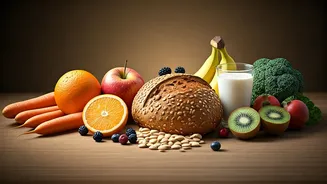
focusing on a balanced mix of carbohydrates and protein. Carbohydrates are vital for building up energy stores, so incorporate plenty of grains, fruits, and starchy vegetables into your diet. As you consume larger portions, ensure your protein intake also rises to support muscle maintenance and repair. This proactive approach ensures your body is primed and ready to go when race day arrives, providing the endurance needed for the 13.1-mile challenge.
The Big Meal
Rethink your traditional pre-race dinner. Instead of consuming your largest meal the night before, shift it to lunchtime on the day prior to your half marathon. This timing allows your body ample time to digest and absorb essential nutrients, significantly reducing the likelihood of stomach discomfort on race morning. It can also contribute to more restful sleep. While pasta remains a popular choice, enjoying it for lunch permits a lighter, more easily digestible dinner in the evening, setting a more comfortable foundation for your race.
Race Day Choices
The foods you select on race day itself are critical. In the two to four hours preceding the start, opt for a combination of easily digestible proteins and simple carbohydrates, accompanied by water or a sports drink. Steer clear of high-fiber, fatty, or unfamiliar foods that could disrupt your digestion. Excellent pre-race options include bread, bagels, cereals, fruits, and small portions of peanut or almond butter, low-fat dairy, or fruit smoothies. In the final hour before the race, focus on moderate hydration with water, sports drinks, or energy gels/chews.
Mid-Race Fuel
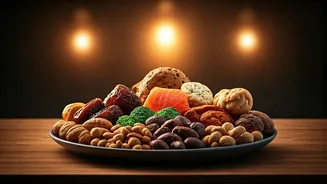
Maintaining energy levels during the half marathon is key, and this means consuming 30-60 grams of carbohydrates each hour. Specialized chews and gels are designed for easy digestion and effective energy delivery. To avoid carrying your own supplies, check the race organizer's website for information on aid station offerings and practice with those specific products during your training runs. Alternatively, readily available options like bananas, orange slices, granola bars, dried fruit, or even candies like LifeSavers or gummy bears can provide a quick carbohydrate boost. Remember to alternate between water and sports drinks every 15 minutes to manage hydration and electrolyte balance effectively.
Post-Race Replenish
Immediately following the half marathon, prioritize replenishing your depleted energy stores. Aim for a quick intake of a 3-to-1 ratio of carbohydrates to protein to facilitate rapid recovery. This initial refuel should include both simple carbohydrates for immediate energy and complex carbohydrates to stabilize blood sugar levels. Foods like bananas, fruits, yogurt, milk, muffins, and bagels are excellent choices. Shortly after, consume a more substantial meal featuring lean proteins, complex carbohydrates, and healthy fats to support muscle repair and overall recovery. Your body is craving nutrients, and prompt replenishment aids in rebuilding muscle and reducing fatigue.
Hydrate Thoroughly
Fluid intake remains paramount even after you cross the finish line. Continue to consume sports drinks or other electrolyte-rich beverages alongside water. Relying solely on water can lead to over-hydration and dilution of essential electrolytes. Post-race drink options such as sports drinks, juices, or chocolate milk are beneficial for restoring fluid and nutrient balance. Combining proper hydration with adequate nutrition post-race is crucial for a swift recovery from your half marathon efforts and to prepare your body for future training.