



Reviving Culinary Traditions
In the vibrant food scene of India, a significant trend in 2026 mirrors the nostalgia-driven wave of 2016: the revival of traditional cooking methods and
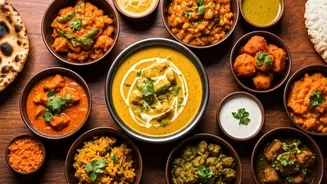
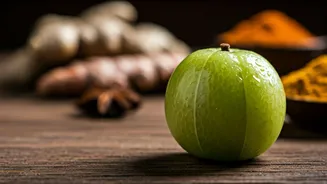
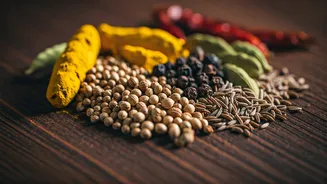
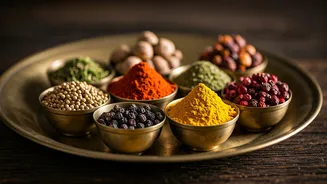
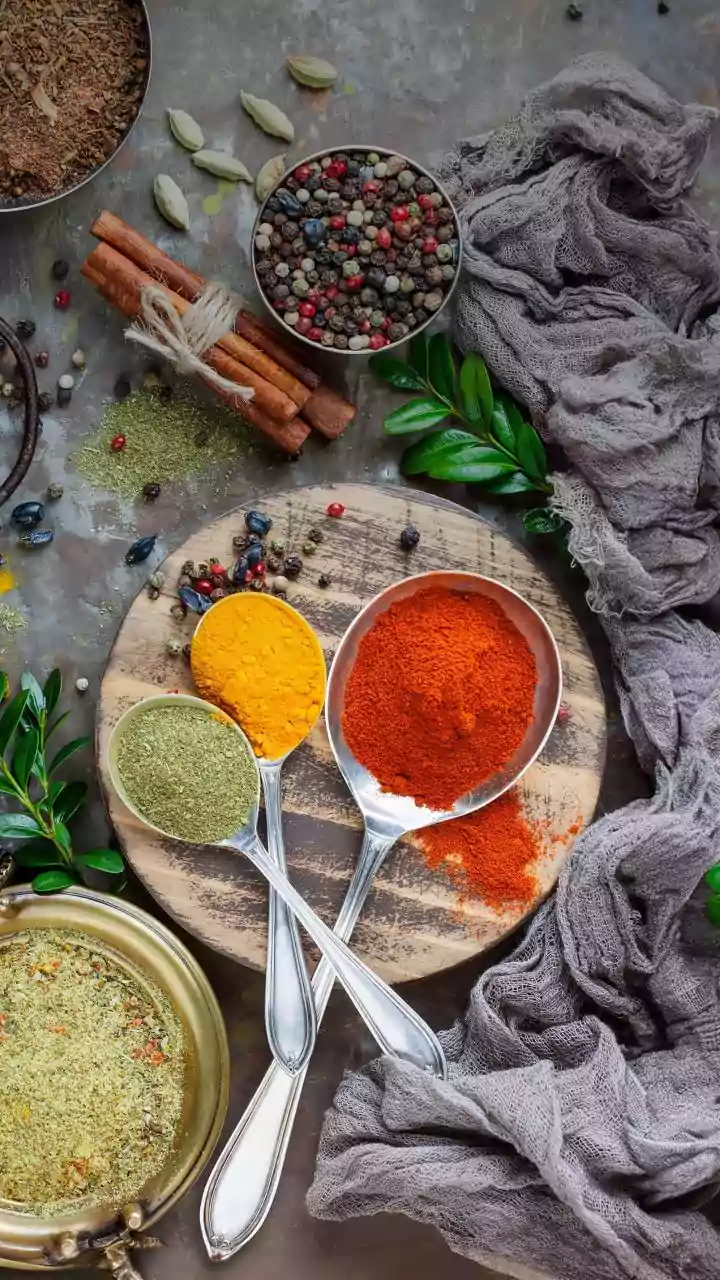
ingredients. Consider the resurgence of slow-cooking techniques, once sidelined by the convenience of modern appliances. Clay pot cooking, which was once a regional practice, is now increasingly popular. The usage of traditional spices and local produce, a key focus in 2016, is also making a comeback. Farmers' markets and farm-to-table initiatives have regained popularity, connecting consumers with seasonal ingredients. This emphasis is a marked shift away from processed foods and aligns with a desire for authenticity and health-conscious choices. The revival represents a deeper connection to cultural heritage, resonating with a segment of the Indian population that values its roots and the authenticity of its culinary past.
Digital Food's Impact
The digital influence that shaped the culinary world in 2016, continues to be a driving force in 2026. Back then, food bloggers and social media influencers started gaining prominence, transforming how people discovered and shared food experiences. Fast forward to 2026, and digital platforms are even more integrated, with a rise in food-focused apps that facilitate everything from ordering to recipe sharing. Online reviews and ratings still wield considerable influence, dictating the popularity of restaurants and dishes. Online cooking classes and tutorials have also become more sophisticated, offering in-depth instruction from culinary professionals. Digital technology has reshaped the way restaurants and food businesses operate, enabling them to reach wider audiences and adjust their offerings according to real-time feedback. This digital ecosystem, which originated in the mid-2010s, now plays a central role in how India experiences food.
Evolving Consumer Preferences
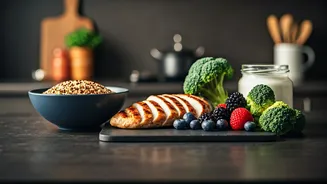
Indian consumer tastes have undergone a transformation, with a parallel development observed in 2016 and 2026. The shift towards healthier options, a trend that was emerging in 2016, has intensified. There is a growing demand for organic, plant-based, and gluten-free choices, reflecting a rise in awareness about nutrition and wellness. The interest in international cuisines that was piqued back then has not waned. Consumers seek out new flavors and dishes, leading to an increasing number of fusion restaurants and food products. Back in 2016, we saw the beginnings of mindful eating habits, emphasizing the origin of food and ethical sourcing. These principles have become even more important as consumers now prioritize sustainability and seek transparency from food businesses. These evolving preferences are shaping the food industry in 2026, influencing product development, restaurant menus, and consumer purchasing behavior.
Technological Advancements in Kitchens
In 2016, the initial stages of integrating technology into kitchens were apparent, and this has now accelerated rapidly by 2026. Smart appliances and kitchen gadgets, which once seemed futuristic, are now common in many Indian households. These devices offer convenience and efficiency, streamlining various food preparation processes. Back then, the popularity of food delivery services also began to surge, and in 2026, they are even more sophisticated. Drone deliveries and automated cooking systems have emerged. In addition, Artificial Intelligence (AI) is transforming the culinary sector. AI-powered recipe suggestions, personalized dietary recommendations, and smart kitchen management systems are growing. These technological advancements not only enhance the cooking experience but also cater to evolving consumer demands for convenience, health, and personalized culinary experiences. These systems have transformed how food is prepared, consumed, and experienced.