




Heritage Takes Centre Stage
For a considerable period, the global perception of fine dining was largely dominated by a predictable set of elements – imported delicacies, European
culinary methodologies, and ingredients valued primarily for their exoticism or foreign origin. Meanwhile, the Indian culinary landscape, teeming with ingredients possessing immense complexity, sophisticated regional nuances, and profound historical significance, often languished in relative obscurity. These components were frequently categorized as merely 'traditional' rather than acknowledged for their inherent exceptionalism. However, a noticeable and overdue transformation is now underway, bringing these underestimated treasures into the spotlight. This shift signifies a growing global appreciation for culinary traditions that offer more than just fleeting trends, delving instead into rich cultural narratives and time-tested wisdom.
Global Acclaim for Desi Staples
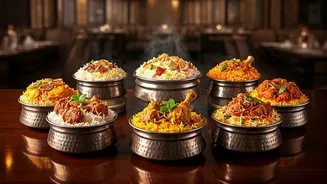
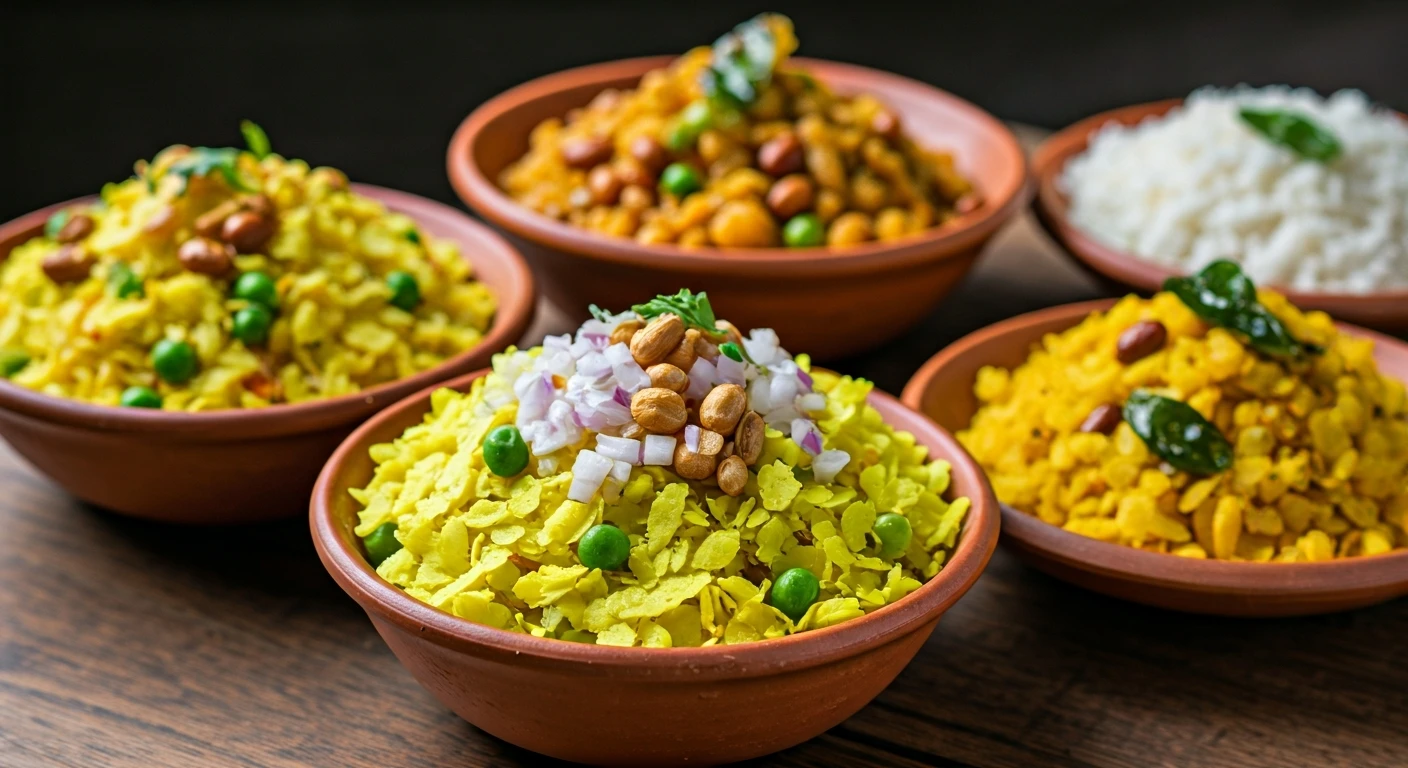
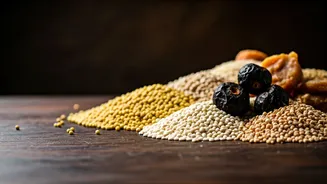
A significant culinary evolution is unfolding as ingredients historically rooted in Indian kitchens are now being embraced within the highest echelons of gastronomy. Items such as nutrient-rich millets, the tart kokum, nutrient-dense moringa, natural jaggery, robust cold-pressed mustard oil, aromatic gondhoraj lime, fiery thecha, and wholesome amaranth are transcending their previous associations with health food aisles or home cooking. These versatile components are increasingly featured in avant-garde tasting menus, chic artisanal cafes, innovative chef-driven dining establishments, and contemporary dessert creations. This elevated status isn't driven by ephemeral fads, but by a burgeoning recognition among both culinary professionals and discerning diners of their inherent complexity, adaptability, and deep-seated cultural importance. Chef Shivani Sharma aptly describes the profound elegance found in cold-pressed mustard oil, the intricate acidity of kokum, and the remarkable resilience of millets, highlighting that these ingredients embody a culinary legacy far more substantial than transient gastronomic trends, reflecting a powerful connection to culinary memory.
From Rustic Roots to Refined Plates
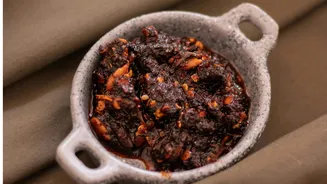
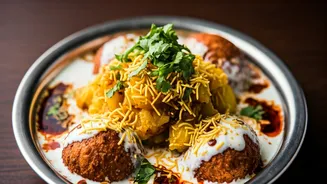
A captivating aspect of this culinary renaissance is the adept integration of hyper-local Indian flavour profiles, presented through contemporary gastronomic techniques. Consider 'thecha', a condiment traditionally characterized by its robust, unpolished, and unapologetically Maharashtrian essence. Today, innovative dishes such as the 'Cheese Thecha Bomb' are captivating younger palates, offering a fusion of nostalgic comfort with novel culinary experiences. Chef Pooja Sachdev articulates this progression as a significant cultural metamorphosis rather than solely a culinary one, observing how ingredients once exclusive to domestic settings are now being reimagined and introduced into premium dining environments in entirely novel forms. Pickles, chutneys, jaggery-based preparations, and millet-centric dishes are being reinterpreted with refined techniques and infused with global influences, yet they retain their authentic identity. This delicate equilibrium is crucial; the authentic triumph of modern Indian gourmet cuisine lies not in forcing desi ingredients to conform to international standards, but in allowing them to retain their inherent character while enhancing their presentation and narrative.
Craving Authentic Flavours
Beyond the purely culinary, a profound emotional resonance fuels this movement. In an era marked by 'food fatigue' and algorithmically dictated dining trends, there's a palpable yearning for familiarity and authenticity. Diners are actively seeking flavours imbued with personal history and connection, preferring dishes that feel genuinely rooted rather than superficially curated for online popularity. This resurgence of interest has naturally led to regional Indian ingredients regaining their perceived luxury value. This isn't a consequence of inflated prices, but rather a reawakening to the intricate labour, rich heritage, and inherent intelligence embedded within them. Millets, for instance, aren't exciting merely due to external validation; their appeal stems from generations of instinctive understanding of sustainability. Kokum's value arises from the profound depth it lends to dishes, not its scarcity on international menus. Jaggery, far from being a mere sugar substitute, is appreciated for its distinct character, texture, and nuanced flavour profile.
Self-Assured Indian Cuisine
Perhaps the most liberating element of this evolving culinary landscape is the gradual shedding of the perceived need for external validation by Indian cuisine. It is increasingly moving away from apologetic stances regarding its bold flavours, distinct regional characteristics, or time-honoured techniques. Instead, there's a confident reclamation and celebration of these intrinsic qualities. The narrative that 'desi' food is merely a new trend in gourmet dining is being dismantled. In truth, it has always possessed the qualities of fine dining, characterized by its depth, complexity, and cultural richness. This shift represents a mature assertion of identity, where Indian culinary traditions are recognized and revered on their own merits, finally receiving the global appreciation they have long deserved.