








The Reality of Fitness
Many individuals assume that consistent time spent exercising at the gym automatically signifies a high level of fitness. However, true physical capability
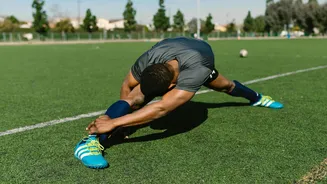
extends beyond mere workout attendance, delving into the realm of body mobility and functional movement. Fitness expert Zoe Modgill highlights that being 'active' or 'working out' doesn't necessarily equate to moving your body effectively. Genuine fitness is characterized by the ability to perform fundamental movements like pushing, squatting, lunging, maintaining core stability, controlling shoulder movements, and sustaining effort during elevated heart rates. It's about more than just aesthetics; it's about demonstrating strength, control, stamina, and confidence in basic physical actions. If these foundational movements expose limitations, it's a clear indicator for reassessing and intensifying one's fitness approach.
Cardio Endurance Check
Assess your cardiovascular stamina with a 45-second burst of activity. Options include jump roping, performing jumping jacks, or engaging in a short run or jog. This fundamental cardio challenge evaluates your heart health, lung capacity, and overall stamina. Beyond immediate benefits like calorie burning and stress reduction, consistent cardio significantly contributes to weight management, improved mood, and a lowered risk of chronic conditions such as hypertension, diabetes, and stroke. Furthermore, it enhances sleep quality, strengthens your immune system, and promotes holistic physical and mental well-being, proving its vital role in comprehensive fitness.
Push-Up and Core Strength
Test your upper body pushing strength and core stability with the push-up exercise, performing 6 repetitions. This movement effectively engages the chest, shoulders, arms, and core muscles, simultaneously enhancing endurance and posture. Push-ups contribute significantly to functional fitness, bolster joint stability, and generally improve overall upper-body power. To further evaluate core resilience, engage in a 'hollow hold' for 20 seconds. This isometric exercise intensely targets abdominal strength and endurance, requiring you to maintain a specific body position. Successfully performing these movements indicates a solid foundation in pushing mechanics and core engagement.
Lower Body Power
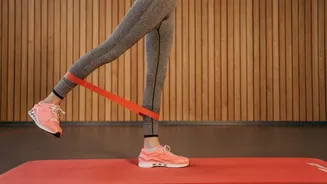
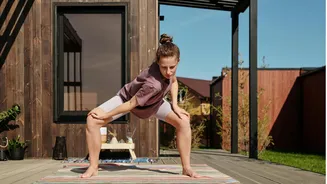
Evaluate your lower body strength and mobility by performing 15 bodyweight squats. This foundational exercise intensely works your legs, glutes, and core, crucial for enhancing balance, flexibility, and proper posture. Squats are paramount for developing lower-body power, supporting joint health, and increasing the range of motion necessary for everyday activities. Complementing the squat, perform 10 repetitions of front and reverse lunges per leg. Lunges further strengthen the legs, glutes, hips, and core, while simultaneously improving coordination and flexibility. They are particularly effective in addressing muscle imbalances by isolating each leg's contribution, leading to greater lower-body stability and improved functional strength for all daily movements.
Balance and Stability
Your ability to maintain stability and control is tested with shoulder taps, requiring 16 repetitions. Typically executed from a high plank position, this exercise involves alternately lifting one hand to tap the opposite shoulder. Shoulder taps are a remarkably efficient bodyweight exercise that simultaneously challenges your core, shoulders, arms, and overall balance. This movement directly assesses your body's ability to remain stable while shifting weight and engaging opposing muscle groups. Demonstrating proficiency in shoulder taps signifies good core control and shoulder girdle stability, essential components of functional fitness.