
Rinse, Rinse, Rinse
The first vital action is rinsing your rice. This straightforward step is often overlooked, but it's a game-changer. Rinsing rice removes excess starch
from the grains. This starch, if left unwashed, is what causes the rice to become sticky and gummy during cooking. Take your raw rice and place it into a fine-mesh sieve or a bowl. Run cold water over the rice, gently swirling it with your hands or using a spoon. You'll notice the water initially appears cloudy as the starch washes away. Continue rinsing the rice until the water runs clear. The goal is to remove as much surface starch as possible. This simple step is the foundation for achieving that perfect, fluffy texture that everyone craves in cooked rice. It sets the stage for evenly cooked grains that don't clump together. Once the rice is rinsed, you're ready for the next crucial step in your fluffy rice journey.
Water Ratio Matters
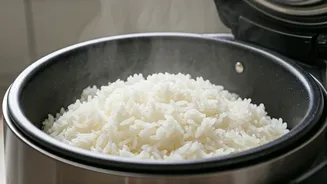
Next, the ratio of rice to water is very important. This is one of the important keys to great rice cooking, a ratio that is commonly used is 2:1 (two parts water to one part rice). Although this is just a general guideline, the amount of water needed can slightly change depending on the type of rice used. For long-grain white rice, the 2:1 ratio is generally perfect. If using brown rice, it often requires a bit more water, perhaps a 2.5:1 ratio, due to the outer bran layer. When cooking rice on the stovetop, this ratio is crucial. Start by placing the rinsed rice and water into a saucepan. Bring the water to a boil, then immediately reduce the heat to a simmer, cover the pot tightly, and let the rice cook undisturbed. In a rice cooker, it's even simpler. Just add the rinsed rice and the correct amount of water to the cooker, and let it do its magic. Accurate water ratios will prevent undercooked, crunchy rice and soggy, overcooked rice. Keep in mind that factors such as altitude and personal preference can also influence the ideal water ratio.
Resting Is Key
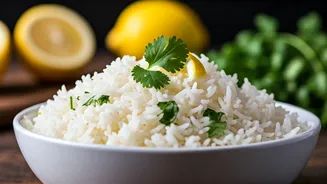
After the rice is cooked, resist the urge to immediately lift the lid and dig in. Allowing the rice to rest is an essential step, especially if you're aiming for that light, fluffy texture. Once the rice is cooked, remove the pot from the heat (or, if using a rice cooker, turn it off). Leave the lid on, and let the rice sit undisturbed for about 10 minutes. During this resting period, the residual steam continues to cook the rice evenly. The grains absorb any remaining moisture. This results in each grain becoming fully cooked and separating. Also, the resting time allows the starches to redistribute, further preventing stickiness. After the 10-minute rest, fluff the rice gently with a fork before serving. This gentle fluffing will separate the grains and release any remaining steam, ensuring a perfect texture. By mastering this step, you'll be well on your way to achieving consistently fluffy and delicious rice.