


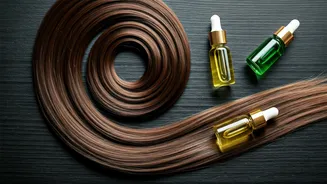

Coconut Oil's Supportive Role
Coconut oil acts as a superior partner for castor oil, improving its spreadability and penetration into the hair shaft. Its unique molecular structure
allows it to enter the hair shaft, reducing protein loss and breakage, which often hinders the perception of growth. By blending one part castor oil with two parts coconut oil, you create a smoother, easily washable mixture that is particularly beneficial for dry, rough, or heat-damaged hair, promoting stronger strands and minimizing snapping.
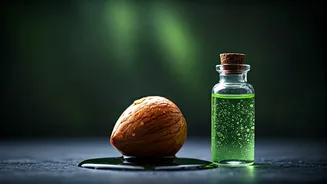
Almond Oil for Silkiness
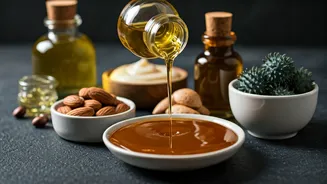
Almond oil, a favorite among beauty aficionados, offers a lightweight yet potent addition to castor oil blends. Rich in Vitamin E, it gently nourishes the scalp and enhances hair texture, a practice revered in traditional beauty rituals for centuries. When combined with castor oil, almond oil counteracts its thickness, transforming the mixture into a silky treatment that softens hair, reduces breakage, adds shine, and makes hair more manageable. This effortless blend is an excellent starting point for those new to oiling their hair.
Rosemary Oil for Stimulation
Rosemary oil stands out due to scientific evidence supporting its role in promoting better hair growth conditions. Studies indicate that rosemary-based blends can increase hair density, thickness, and reduce hair fall over time. Because rosemary oil is potent, it's crucial to use it sparingly, adding only a few drops to a castor oil mixture. Castor oil provides moisturizing and protective benefits, while rosemary oil stimulates blood circulation around hair follicles, creating a balanced and effective natural scalp therapy. This combination is highly regarded by beauty editors.
The Ritual of Oiling
The act of oiling one's hair is a comforting ritual that encourages self-care and mindfulness. Castor oil, when used as a foundational element and combined with complementary oils, becomes an integral part of a routine that fosters gradual, natural, and sustainable hair strengthening. It's important to remember that oils work best as a supportive element, not a standalone miracle cure. Consistent application and massage, rather than overnight transformation, lead to noticeable improvements like stronger strands, a calmer scalp, and healthier-looking hair over several weeks.
Achieving the Right Blend
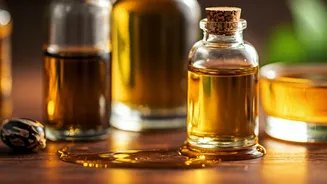
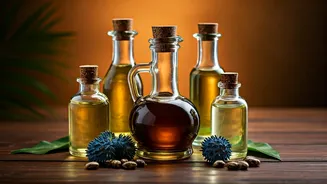
A common pitfall in using castor oil is applying it too heavily. Due to its dense consistency, it's advisable to use castor oil as the smaller component in any blend. A simple and effective ratio involves one tablespoon of castor oil mixed with two tablespoons of a carrier oil, such as coconut, almond, jojoba, or argan oil. For an added boost, incorporate 3–5 drops of rosemary oil. Gently warming the mixture between your palms before application enhances its spreadability and provides a more relaxing massage experience.
Application and Scalp Massage
Effective hair oiling extends beyond merely coating the strands; the true benefits are unlocked through scalp massage. Using fingertips, gently massage the scalp for approximately five minutes, avoiding nails. This process stimulates blood circulation and ensures even oil distribution. It is recommended to leave the oil on for at least 30 minutes, or overnight if your scalp tolerates it well. Shampooing afterwards may require two washes to thoroughly remove richer oil blends. Aim for two to three applications per week, as excessive use can lead to product buildup rather than desired benefits.
Understanding Hair Growth Realities
It's a common misconception that oils can dramatically accelerate hair growth speed. Experts consistently state that castor oil, while beneficial, does not scientifically speed up the growth rate. Its primary contributions are enhancing hydration, minimizing breakage, and protecting hair strands, which cumulatively leads to hair appearing fuller and longer over time. This outcome is significant because most perceived 'slow growth' is actually a result of hair damage and breakage. A healthy scalp coupled with strong strands is the true foundation for visible hair growth.
Argan Oil for Shine
Often dubbed 'liquid gold,' argan oil is prized for its rich content of antioxidants and fatty acids. It effectively smooths the hair cuticle, imparting an instant glossy and healthier appearance. When combined with castor oil's deep moisturizing properties, argan oil adds softness and movement, creating a salon-quality finish. This blend is particularly beneficial for frizz-prone hair, color-treated or chemically processed hair, and for individuals who dislike heavy, greasy oiling routines, leaving hair feeling nourished yet light and smelling pleasant.
Jojoba Oil for Scalp Balance
Jojoba oil is unique as it's technically a liquid wax, closely mimicking the natural sebum produced by the scalp. This similarity allows the scalp to recognize and readily accept it. When blended with castor oil, jojoba oil plays a crucial role in preventing product buildup and maintaining scalp equilibrium, preventing it from becoming excessively oily or dry. A balanced scalp is foundational for healthy hair growth, ensuring that follicles are clear and free from irritation, allowing hair to thrive regardless of external treatments.