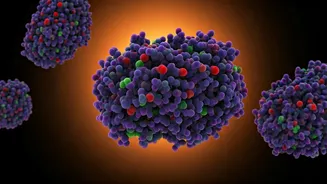




Medication Mastery
Effectively managing Parkinson's disease hinges on a thorough understanding of its varied medications. Patients must be vigilant about their prescribed
treatment plans, recognizing that adherence is paramount for symptom control. This involves not only taking medications at the correct times but also being aware of potential drug interactions and side effects. Certain medications, while beneficial for some symptoms, might exacerbate others or pose risks when combined with other drugs. Therefore, open communication with your healthcare provider about all substances you are taking, including over-the-counter remedies and supplements, is crucial. Staying informed about which medications to avoid or use with caution is an essential part of self-care, preventing unintended complications and optimizing therapeutic outcomes. This proactive approach ensures that the medication regimen actively supports, rather than hinders, the quality of life for individuals living with Parkinson's.
Surgical Solutions Explored
Beyond medication, surgical interventions offer promising avenues for managing advanced Parkinson's symptoms. Deep Brain Stimulation (DBS) stands out as a primary surgical option. This procedure involves implanting electrodes in specific areas of the brain that are then connected to a pacemaker-like device implanted in the chest. The device sends electrical impulses to the brain, helping to regulate abnormal brain activity that causes motor symptoms such as tremors, rigidity, and slowness of movement. While DBS is not a cure, it can significantly improve motor control and reduce the reliance on certain medications, leading to enhanced daily functioning. Other surgical approaches may also be considered depending on an individual's specific symptoms and overall health. A thorough evaluation by a neurosurgeon is vital to determine if surgery is a suitable and beneficial choice, weighing the potential benefits against the inherent risks of any surgical procedure. This decision is highly individualized and requires careful consideration of the patient's condition and goals.
Dietary Guidance
Nutrition plays a significant role in managing Parkinson's disease symptoms and overall well-being. A balanced diet can help alleviate some of the challenges associated with the condition. For instance, managing constipation, a common issue, can be addressed by increasing fiber intake from fruits, vegetables, and whole grains, alongside adequate hydration. Some individuals find that consuming protein-rich meals at the same time as their Parkinson's medications can interfere with absorption, leading to reduced effectiveness. In such cases, adjusting meal timing, perhaps by consuming protein sources later in the day, might be beneficial. Conversely, some nutrients, like antioxidants found in berries and leafy greens, are believed to support brain health. While there isn't a specific 'Parkinson's diet,' focusing on whole, unprocessed foods and mindful eating practices can contribute to better symptom management and a higher quality of life. It's also important to be aware of potential choking hazards and to adapt food textures if swallowing difficulties arise, using specialized utensils if needed.
Supportive Care
The journey with Parkinson's disease extends beyond medical treatments, encompassing comprehensive support systems. This includes working closely with a multidisciplinary healthcare team, comprising neurologists, therapists, and other specialists, to address the diverse needs of the patient. Palliative care emerges as a vital component, focusing on providing relief from the symptoms and stress of the illness, irrespective of the stage of the disease. Its aim is to improve quality of life for both the patient and the family. Furthermore, as the disease progresses, individuals may face challenges with communication, swallowing, and mobility, necessitating adaptive strategies and assistive devices. Safety considerations are also paramount, with modifications in the home environment and awareness of potential fall risks being essential. Engaging in speech therapy can help with vocal changes, while occupational therapy can assist with daily living tasks. Ultimately, a holistic approach that integrates medical care, supportive services, and patient empowerment is key to navigating the complexities of Parkinson's disease.