





The Power of Free Play
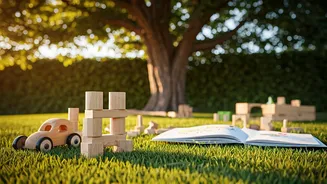
Remember those golden days of childhood, filled with outdoor adventures, make-believe games, and creative pursuits? Building forts from household items,
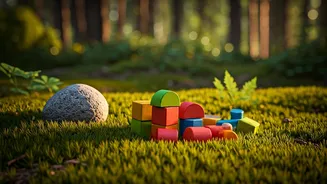
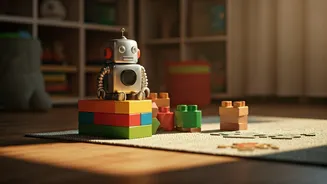
tinkering with broken toys, and crafting new wonders from everyday materials were more than just pastimes; they were foundational learning experiences. These moments, unfolding organically without rigid structure, cultivated vital traits like patience, inquisitiveness, and the ability to solve problems. In today's tech-saturated world, recapturing this spirit of real-world discovery is paramount. Activities that encourage children to disassemble small objects, engage with complex puzzles, or experiment with open-ended toys like building blocks are instrumental. These engagements empower children to think independently, fostering imagination and innovation as they build and test their ideas. A simple challenge, like constructing a robot from discarded boxes, can instil resilience, a sense of responsibility, and the understanding that learning is an enjoyable journey of exploration, not an instantaneous achievement. Research confirms that this type of unstructured, child-led play significantly enhances creativity, problem-solving prowess, and cognitive flexibility when contrasted with more structured or screen-based alternatives.
Nurturing Curiosity Through Experience
When children are immersed in authentic, hands-on experiences, their innate curiosity blossoms. Even a simple outdoor excursion can become a springboard for countless questions, while tending to a growing plant offers a gentle introduction to science and responsibility. Visiting places like museums, art galleries, post offices, or railway stations allows children to observe the practical workings of the world beyond textbooks and screens, forging a tangible connection between learning and daily life. This direct interaction with real-world environments has been shown to profoundly boost curiosity, intrinsic motivation, and long-term educational outcomes. Such experiential learning deepens understanding and fosters a more meaningful engagement with knowledge than passive observation ever could, making every outing an opportunity for discovery and growth.
Socioemotional Growth and Screens
Alongside intellectual development, a child's socioemotional well-being is equally crucial. Open conversations about feelings, engaging with stories that explore emotions, and consistent, comforting bedtime rituals are vital for building a sense of security. Supporting a child's emotional expressions, rather than dismissing them, teaches invaluable lessons in empathy, self-awareness, and confidence. Once children feel secure within themselves, their ability to engage socially flourishes through unstructured play, such as in parks. Here, they naturally learn the art of sharing, negotiation, and navigating minor conflicts independently. Conversely, studies indicate a correlation between increased screen exposure and a diminished attention span, along with lower socioemotional competence. In contrast, real-world, interactive activities yield the opposite effect, highlighting the indispensable role of hands-on, social, and outdoor engagement for robust emotional and cognitive development. These real-world interactions shape a child's character and self-assurance far more profoundly than digital learning alone, cultivating thoughtful and capable individuals.