








Market's Sudden Crash
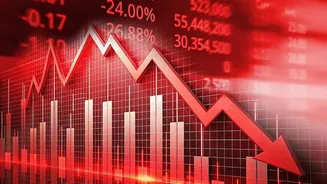
On a particular day, the Sensex experienced its most significant single-day fall in over four months, plummeting by 800 points. This dramatic decrease
led to investors collectively losing approximately ₹8 lakh crore. The Nifty 50 also mirrored this trend, dipping by over 250 points. This sudden drop was a stark reminder of the market's volatility and the potential impact of various external and internal factors. The magnitude of the decline underscored the severity of the day's market conditions, highlighting the importance of understanding the underlying causes and potential consequences for investors and the broader economy.
Key Factors Analyzed
Several factors contributed to the Indian stock market's downturn. One primary driver was the negative sentiment among investors, often triggered by global economic uncertainties and concerns. Broader market trends, including fluctuating commodity prices and adjustments in investor portfolios, also played a role. Furthermore, specific news events, such as announcements or economic data releases, likely amplified the market's reactions. These factors interacted to create a perfect storm, leading to the substantial losses experienced by investors. The intricate interplay of these drivers emphasizes the complexity of predicting market movements and the necessity for investors to stay informed.
Sectoral Impact
The market's downturn affected various sectors differently. Some industries experienced more significant losses than others, depending on their sensitivity to the prevailing economic conditions and investor sentiment. Sectors heavily reliant on global trade or vulnerable to interest rate fluctuations might have faced the most substantial declines. Conversely, sectors deemed more resilient or defensive might have seen comparatively milder impacts. This disparity underlines the importance of diversification and the need for investors to assess their portfolio's exposure to different sectors, especially during periods of market instability. Understanding how specific sectors perform during market downturns is crucial for formulating effective investment strategies.
Investor Reactions
The significant market decline prompted various reactions from investors. Many likely reassessed their investment strategies, examining their risk tolerance and long-term goals. Some investors might have chosen to sell off certain holdings to limit their losses or shift into more conservative assets. Others might have viewed the downturn as an opportunity to buy stocks at lower prices, anticipating a future rebound. The collective behavior of investors, influenced by their individual circumstances and risk appetites, shaped the market's movements. This highlights how investor sentiment and the actions of market participants contribute to shaping market trends and influencing investment decisions.
Future Outlook
Predicting the future performance of the Indian stock market requires careful consideration of current and potential influences. Market analysts often monitor economic indicators, global developments, and investor sentiment to formulate their forecasts. The recovery timeline, if any, will depend on the factors that initially caused the decline, alongside new developments and changes in the market environment. Investors need to stay updated on market trends to make informed decisions. Evaluating the market's future, as well as considering the potential risks and opportunities, will be essential for formulating informed investment strategies. It is crucial to monitor factors that can impact the market and stay aware of expert predictions.