



What is Designer Rice?
Introducing 'designer rice,' a remarkable creation from the CSIR-NIIST research team that redefines a staple food. This isn't your ordinary grain; it's
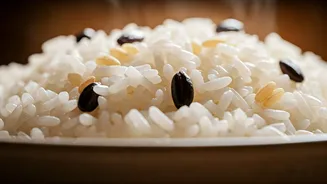
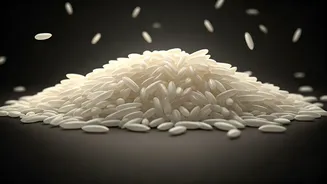
been meticulously engineered through advanced food processing, not genetic modification, to become a nutritional powerhouse. The core idea behind this innovation, described as 'food architecture' by Director C Anandharamakrishnan, is to transform broken rice – typically sold at a lower price point – into a high-value food product. These broken grains are ground into flour and then expertly blended with essential protein and vital micronutrients. Subsequently, this enriched mixture is reformed back into individual grains that precisely mimic the appearance, texture, and taste of conventional rice, ensuring a seamless integration into existing diets.
Tackling Health Paradoxes
India faces a complex health challenge: it's known as the 'diabetes capital of the world' due to the high glycemic index (GI) of common white rice, which causes rapid blood sugar spikes. Simultaneously, millions grapple with 'hidden hunger,' a condition where individuals consume sufficient calories but lack essential proteins and micronutrients. Designer rice directly addresses both these critical issues. By offering a significantly lower GI, it helps manage blood sugar levels, making it a safer choice for diabetics. Furthermore, its amplified protein content directly combats the protein deficiencies associated with hidden hunger, promoting better overall health and well-being without requiring drastic dietary changes.
Superior Nutritional Profile
This specially crafted rice boasts an impressive nutritional upgrade. While standard rice typically contains only about 6-8% protein, designer rice elevates this to an exceptional level, exceeding 20%. This substantial increase in protein is a key factor in its improved taste, described by Dr. Anandharamakrishnan as even better than regular rice. Beyond protein, the grains are fortified with crucial micronutrients like iron, folic acid, and Vitamin B12, directly embedded into their structure. This fortification acts as a powerful defense against anemia, a prevalent issue, by ensuring these vital nutrients are readily available with every serving, contributing significantly to a balanced and healthier diet for the population.
Sustainable Food Architecture
The creation of designer rice embodies a clever application of a circular economy. By utilizing broken rice grains – a byproduct of the milling process that might otherwise be undervalued – scientists are creating a new revenue stream and adding significant value for farmers. This innovative approach transforms a less desirable commodity into a high-nutrient food, demonstrating how processing technology can enhance resource utilization. The method involves breaking down traditional rice into its fundamental components and then meticulously reassembling them to enhance the nutritional matrix. This process effectively reduces the starch content while boosting protein and essential micronutrients, akin to strengthening a building's structure by replacing some foundational materials with more robust elements, all achieved through advanced food processing.
Cultural Integration and Impact
A significant advantage of designer rice is its seamless integration into Indian culinary traditions. Unlike specialized health foods that might require people to abandon familiar dishes, this innovation allows individuals to continue enjoying their beloved rice-based meals, from pulao to biryani, without compromise. It offers a practical solution for enhancing the nutritional intake of a population deeply reliant on rice as a staple. By providing a familiar taste and texture with vastly improved health benefits, designer rice aims to be a cornerstone of a healthier India, transforming the humble rice grain into a potent tool for national well-being and a prescription for a healthier future.