




What is DE?
Diatomaceous earth (DE) is a remarkable, naturally occurring substance derived from the fossilized remains of tiny aquatic organisms called diatoms. When
examined under a microscope, these diatoms reveal sharp, microscopic edges. This fine, white powder, resembling talcum powder, is not only approved for organic gardening but also serves as a fantastic alternative to chemical pesticides. Its applications extend beyond gardening, appearing in everyday products like toothpaste, skincare items, and even some food and beverages. For garden use, it's crucial to select 'food-grade' DE, as other types, such as 'pool grade' or 'crystalline silica,' are not safe for your plants or for handling.
How DE Works
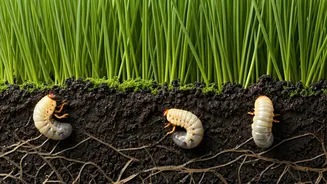
The efficacy of diatomaceous earth as a pest deterrent lies in its unique physical properties. For DE to be effective, it must come into direct contact with the target pests. Once an insect crawls across the DE, its abrasive, sharp edges penetrate and shred the insect's protective outer shell, known as the exoskeleton. This physical damage leads to rapid dehydration, causing the pests to succumb to dryness. This natural mechanism is highly effective against a broad spectrum of insects, including common garden nuisances like earwigs, caterpillars, ants, aphids, slugs, snails, and even more problematic household pests like cockroaches, flea beetles, bed bugs, and spider mites. The process is swift, often resulting in pest mortality within a 24-hour period.
Application Strategies
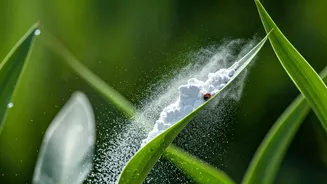
Employing diatomaceous earth requires a mindful approach due to its broad-spectrum nature, meaning it can affect beneficial insects like pollinators alongside pests. Therefore, targeted application is key. To create a protective barrier around your plants, simply dust a light layer of DE in an unbroken circle or line directly on the soil surrounding individual plants or along the perimeter of your garden beds. Specialized DE applicators or dusters can help achieve more precise coverage. You can also apply DE as a barrier around entry points to your home, such as windows and doors, to prevent household pests from entering. For treating active infestations directly on plant leaves, apply DE lightly, as excessive dusting can impede photosynthesis. When treating houseplants, a light dusting can also be effective, but it's advisable to wear a mask and move the plants outdoors during application to manage airborne dust.
Optimal Application Techniques
While DE can be applied by hand, using a dedicated DE applicator or duster offers significantly more control and precision. The most common application method is using DE as a dry powder. However, for reaching difficult areas like the undersides of leaves, it can be mixed with water and applied using a sprayer. It's important to remember that DE's effectiveness is dependent on it being dry. Wet applications will only become active once the moisture has evaporated. To maintain its protective qualities, reapply DE after any watering or rainfall, as heavy precipitation can wash it away. Consistent reapplication throughout the growing season is recommended to ensure continuous pest deterrence. While DE is effective against adult and larval insects, it does not impact insect eggs, making regular reapplication crucial for addressing subsequent generations of pests.
Safety Precautions
When working with diatomaceous earth, it's essential to prioritize safety due to its potential as a lung and skin irritant. Always ensure you are wearing protective gear, including gloves, safety goggles, and a mask, during application. This is particularly important when applying DE as a fine powder. If using it around children or pets, ensure they are not present in the application area and follow the manufacturer's guidelines precisely. While food-grade DE is generally considered safe for organic gardening, proper handling minimizes any potential discomfort and ensures a safe experience for both the gardener and the environment.