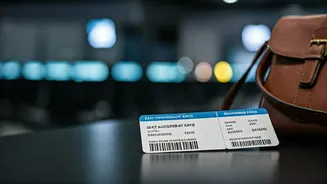







The Mystery Unveiled
Encountering the phrase 'seat assigned at gate' on your boarding pass can certainly raise an eyebrow, especially if you're traveling with loved ones or
have specific seating preferences. However, aviation experts clarify that this designation doesn't inherently spell trouble or indicate you won't be flying. Instead, it signifies that your exact seat location will be finalized just before departure, often due to logistical adjustments made by the airline. This situation typically arises from operational necessities rather than passenger mistakes. Understanding the underlying causes can help alleviate pre-flight anxiety and prepare you for potential scenarios. The key takeaway is that your travel plans are likely still on track, with the seat assignment being a dynamic process.
Why Gate Assignments Happen
There are several operational reasons why an airline might assign your seat at the gate. One common cause is an aircraft swap, where a larger plane initially scheduled for your flight is replaced by a smaller one at the last minute. This reduction in available seats means the airline might reallocate them to prioritize certain passenger groups, such as the elderly, those traveling with infants, or unaccompanied minors. In such cases, other passengers might be designated 'seat assigned at gate' until the final boarding configuration is sorted. Another scenario involves flight cancellations and rebookings. When passengers from a canceled flight are moved to a new one, those who originally held confirmed seats on the replacement flight are prioritized. Passengers from the canceled flight might then receive their seat assignments at the gate, depending on remaining availability. Finally, overbooking, a standard practice where airlines sell more tickets than seats due to historical no-show rates, can also lead to gate assignments. The airline might wait until the boarding process is nearly complete to determine the exact number of available seats and assign them accordingly. While modern systems often provide advance notice for such situations, gate assignments remain a possibility.
Impact on Your Seat Choice
The designation of 'seat assigned at gate' can indeed influence your seating arrangements. It is quite possible that your preferred seat, whether it's a window, aisle, or an exit row with extra legroom, may not be available or assigned as initially planned. For larger groups or families traveling together, this can also mean being seated separately. While airlines generally endeavor to honor pre-paid seat selections, unexpected operational changes can sometimes override these prior arrangements. In many instances, airlines aim to communicate these potential disruptions to passengers either at the airport or, if feasible, in advance, depending on the specific circumstances and the timeline of the operational adjustment. Therefore, while not guaranteed, your chosen seat might be subject to change, and family members might be spread across the cabin.
Proactive Passenger Steps
To mitigate the uncertainty associated with 'seat assigned at gate' and to maximize your chances of securing a preferred seat, taking proactive steps is highly recommended. Arriving at the airport well in advance of your flight's departure allows ample time for check-in and potential discussions with airline staff. Even more beneficial is completing your web check-in as soon as it becomes available, typically 24 hours before your flight. During the web check-in process, you can often select your preferred seat according to the airline's policy and availability. For passengers who place a high importance on specific seating features like aisle, window, or extra legroom, considering and paying for seat selection at the time of booking can significantly increase the likelihood of obtaining your desired spot. This upfront commitment often secures your seat choice, reducing reliance on last-minute gate assignments and ensuring a more predictable and comfortable travel experience.