





Hidden Weave's Origin
India boasts an incredibly rich textile tapestry, with each region contributing distinct weaving styles steeped in history and cultural significance. While
renowned fabrics like Banarasis and Kanjeevarams often steal the spotlight, a multitude of lesser-known weaves continue to flourish locally, deserving of wider recognition. Among these is the captivating Lalitpur zari silk saree, originating from the Bundelkhand region. Nestled in the heart of Madhya Pradesh, Lalitpur is a place renowned not only for its historical temples and forts but also for its enduring ancient craft traditions. This special city, strategically located at the crossroads of Madhya Pradesh and Uttar Pradesh, is home to weaving communities that have diligently safeguarded this unique art form for generations, passing the intricate techniques down through families. The sarees are distinguished by their opulent zari embellishments and remarkable fabric durability, making them a testament to artisanal excellence.
Exquisite Zari Detailing
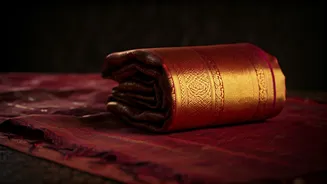
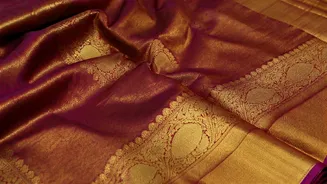
The hallmark of these Lalitpur sarees lies in the masterful interplay between lustrous metallic zari threads and the delicate silk fabric. The fine silk base lends the drapes a wonderfully soft yet structured feel, providing an elegant canvas for the artistry. This is complemented by meticulously woven traditional zari motifs that adorn the borders and the pallu, adding a regal touch. These intricate patterns are often inspired by the natural world, drawing from the region's architectural heritage, and the sacred temple designs found locally. The color palette predominantly features shimmering gold and silver, which serve to brilliantly accentuate the richness and detail of the zari work, creating a truly captivating visual appeal that speaks volumes of its craftsmanship.
Artisanal Weaving Process
The creation of these exquisite sarees is a labor-intensive endeavor, involving multiple stages of skilled artistry. It commences with the meticulous preparation of silk yarn, which entails thorough cleaning of the raw threads, followed by precise dyeing and careful winding onto spools. Subsequently, the design phase involves detailed planning, where motifs and patterns are carefully mapped out before the actual weaving can commence. Artisans then set up the handloom, expertly arranging the weft and warp threads. The crucial step of zari weaving, using metallic threads, is then delicately executed to form the distinctive borders and intricate motifs. The final stages involve finishing and polishing each piece, a process that demands several days of dedicated effort for every single saree.
Challenges and Future
Despite its undeniable craftsmanship and unique aesthetic, the Lalitpur zari silk weave often remains on the periphery, overshadowed by more prominent textile hubs. This relative obscurity stems from a combination of factors, including limited marketing strategies compared to major centers, the existence of smaller, more localized weaving clusters, a general lack of broad national exposure, and the pervasive competition from mass-produced, machine-made alternatives. However, in an era increasingly conscious of fast fashion's impact, there's a growing consumer interest in sustainable fashion choices, slow craftsmanship, and the inherent value of regional textiles. This shift in consumer preference offers a promising outlook for the Lalitpur weave, potentially paving the way for a more vibrant and sustainable future for this treasured Indian art form.