




Facing the Unthinkable
Rana Daggubati recently offered a candid glimpse into a significant health challenge that necessitated a temporary halt to his professional life, prompting
deep introspection about life's purpose. The actor recounted the initial shock of his diagnosis, a sentiment many can relate to when faced with personal health emergencies. He articulated the difficulty of navigating such a crisis firsthand, contrasting it with the familiar experience of supporting unwell loved ones. This realization spurred a determined commitment to prioritize his well-being, stating, “I had to get my health fixed.” His conversation with Rhea Chakraborty on her podcast revealed the intensity of this period, with Chakraborty noting his extended regimen of "saltless food for months" alongside hospital stays and the associated recovery procedures. Daggubati elaborated that his journey involved a comprehensive approach, encompassing dietary adjustments, surgical interventions, and post-operative care, acknowledging it as a protracted cycle. His subsequent relocation to the US for a period of solitude offered a unique opportunity for self-reflection, allowing him to contemplate his life's direction away from the constant presence of family and familiar routines.
Medical Realities of Critical Conditions
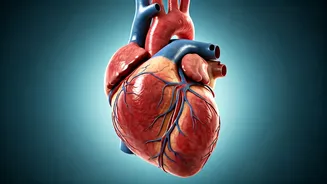
Rana Daggubati has previously spoken about managing lifelong blood pressure issues, compounded by calcification around his heart and compromised kidney function. He revealed the stark statistics he faced: a 70% likelihood of a stroke or hemorrhage and a 30% chance of mortality. Dr. Parin Sangoi, a consultant interventional cardiologist, explained that high blood pressure, often termed a 'silent threat,' gradually damages blood vessels. This damage can lead to arterial stiffening and narrowing, known as calcification, which restricts blood flow to the heart and elevates heart attack risk. In the kidneys, unchecked high blood pressure impairs their filtering capabilities, progressively leading to kidney failure. Dr. Sangoi emphasized that the concurrent presence of heart and kidney issues amplifies risks significantly. When both organs are affected, complications such as stroke, heart failure, or sudden cardiac events become substantially more probable, underscoring the precariousness of Daggubati's situation with a 70% stroke risk. Furthermore, failing kidneys exacerbate blood pressure control difficulties, as they play a vital role in regulating fluid and salt balance, creating a perilous feedback loop that escalates stroke risk.
The Pivotal Role of Diet
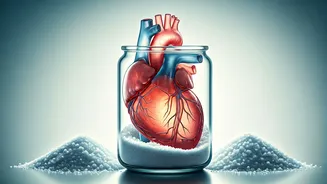
Dietary choices, particularly the restriction of salt, play a critical role in managing severe health conditions like those faced by Rana Daggubati. Dr. Sangoi highlighted the direct impact of salt on fluid retention and blood pressure. For individuals with severe hypertension or kidney disease, a stringent salt restriction is frequently mandated to avert dangerous fluctuations in blood pressure. Adhering to a low-sodium diet alleviates strain on both the cardiovascular system and the kidneys, serving as a cornerstone of treatment alongside prescribed medications. In acute phases of such illnesses, a nearly salt-free diet might be recommended to stabilize blood pressure levels and mitigate stress on the heart and kidneys. This emphasizes how a fundamental aspect of lifestyle, such as reducing salt intake, can be instrumental in managing life-threatening conditions and supporting the body's recovery and stabilization processes.
Navigating Recovery and Long-Term Care
The path to recovery following severe health issues is typically a gradual one, requiring diligent monitoring and sustained commitment. According to Dr. Sangoi, the recovery process involves a multi-faceted approach. This includes stabilizing blood pressure through an appropriate combination of medications, strictly adhering to dietary guidelines, undergoing regular check-ups for both cardiac and renal health, and implementing significant lifestyle modifications. These changes encompass weight management, effective stress reduction techniques, and engaging in supervised exercise regimens. Initially, patients often require frequent medical follow-ups to ensure progress and make necessary adjustments. As blood pressure stabilizes and organ function shows improvement, the associated risks gradually diminish. However, the necessity for long-term vigilance remains paramount. The overarching message is that even severe cardiovascular risks can be effectively managed through prompt medical intervention and consistent, ongoing care, offering hope and a structured framework for patients to regain their health.