







Initial Metabolic Shifts
When individuals engage in a 3-day water fast, the body undergoes significant metabolic adaptations. Initially, the body relies on glucose, the primary
source of energy derived from carbohydrates. However, after the depletion of glucose stores, typically within the first 24 to 36 hours, the body switches to burning fat for fuel. This process results in the production of ketone bodies, a process known as ketogenesis. These ketones then become the primary energy source for the brain and other organs. Simultaneously, the body starts to break down stored glycogen in the liver, which is converted to glucose to maintain blood sugar levels.
The Ketosis Phase Unveiled
Ketosis is a metabolic state characterized by elevated levels of ketone bodies in the blood. After approximately 24 to 36 hours of fasting, as glucose stores diminish, the liver begins to produce ketones from fatty acids. The shift towards ketosis is significant because it allows the body to conserve proteins and maintain essential bodily functions. During the 3-day water fast, individuals will likely enter a deeper state of ketosis, which might lead to various physiological responses. These can include a feeling of enhanced mental clarity and focus, but also possibly some side effects such as fatigue or headaches during the initial days as the body adjusts to the changes in fuel sources.
Potential Health Benefits
Water fasting has been associated with several potential health benefits. A 3-day fast may lead to weight loss due to the calorie deficit. It can also help improve insulin sensitivity, which is beneficial for individuals with insulin resistance or type 2 diabetes. Moreover, fasting may trigger a cellular repair process called autophagy, where the body removes damaged cells and recycles cellular components. Some studies suggest that fasting can have anti-inflammatory effects and may support cellular health. It's important to remember that these potential benefits are more often observed in controlled research and may not be guaranteed for everyone.
Possible Side Effects
While water fasting can offer health benefits, it's essential to be aware of the potential side effects. The initial phase of a 3-day fast can lead to symptoms like headaches, dizziness, and fatigue. These are typically the result of electrolyte imbalances or the body adapting to the absence of food. Low blood sugar levels can also cause weakness or lightheadedness. In some instances, fasting can affect blood pressure and the balance of electrolytes in the body. It is therefore vital to consult a healthcare provider prior to undertaking any fast, especially for individuals with underlying health conditions or those taking medications.
Hydration and Electrolytes
Staying adequately hydrated is crucial during a water fast. Drinking sufficient amounts of water ensures the body's optimal function and aids in eliminating waste products. Electrolyte balance is another critical aspect to consider. During fasting, the body can lose electrolytes such as sodium, potassium, and magnesium. This can lead to various symptoms, including muscle cramps, fatigue, and irregular heartbeats. It is important to stay hydrated with water and consider adding small amounts of electrolytes to maintain balance. Consult a medical professional before taking any supplements, as individual needs may vary.
Body's Physiological Changes
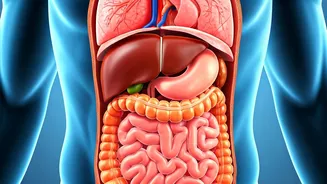
The physiological changes during a 3-day water fast are multifaceted. Along with metabolic shifts, the digestive system also goes through significant adjustments. The digestive system receives a break from processing food, allowing it to rest and potentially repair. Hormone levels also fluctuate. For instance, the levels of growth hormone tend to increase, which supports muscle preservation and cellular repair. It’s also notable that during a fast, the body may experience a rise in cortisol, the stress hormone. This response can impact energy levels and overall well-being. Regular monitoring and adjusting based on how your body feels are essential.
Resuming Eating Safely
After completing a 3-day water fast, the reintroduction of food must be done carefully to avoid digestive issues. It's recommended to start with light, easily digestible foods, like broth, vegetables, or small portions of fruits. This is because the digestive system has been at rest and needs time to readjust. Refrain from overeating or consuming heavy meals immediately. Gradually increasing the intake of calories and complex foods helps prevent digestive distress and maximizes the benefits of the fast. Pay close attention to how your body responds to each food item and adjust your diet accordingly to avoid any issues.