






Two Fuels, Different Journeys
The disparity in gas supply experienced by households hinges on the fundamental differences in how Liquefied Petroleum Gas (LPG) and Piped Natural Gas (PNG)
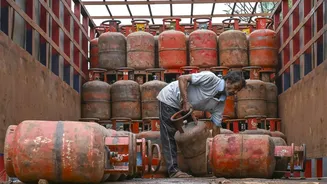
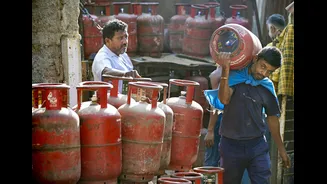
reach our kitchens. LPG's journey involves a complex, multi-stage process: it's bottled, transported via trucks, distributed through local dealers, and finally delivered by hand to your doorstep. Each of these steps represents a potential point of delay or disruption. In stark contrast, PNG flows directly and continuously into homes through an extensive underground pipeline network, much like water supply. This direct connection bypasses the need for booking, waiting for deliveries, or managing physical cylinders. Currently, approximately 1.59 crore Indian homes are connected to PNG, with ambitious government plans to expand this network to over 12 crore connections by 2034, aiming for greater supply reliability.
LPG Under Global Pressure
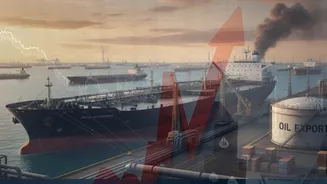
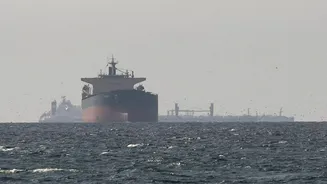
India's domestic production of LPG falls short of its substantial consumption, necessitating imports for roughly 62 percent of its needs. A significant portion of these imports, nearly 90 percent, is channeled through the Strait of Hormuz, a critical and often volatile maritime route in West Asia. Recent escalations in regional tensions have introduced considerable uncertainty into shipping operations through this narrow passage, directly impacting the stability of domestic LPG supplies. In response to these challenges, the government has temporarily halted commercial LPG supplies to prioritize domestic cooking needs. This measure has disproportionately affected businesses within the food sector, including restaurants and small eateries, which are now grappling with delayed or curtailed cylinder deliveries, leading to operational difficulties.
PNG's Steady Supply
Piped Natural Gas (PNG) supply has maintained a remarkable level of stability during this period due to a confluence of three key factors. Firstly, India possesses substantial domestic natural gas production, accounting for approximately half of its daily requirement, amounting to about 97.5 MMSCMD out of a total of 189 MMSCMD. This domestic output acts as a crucial buffer against fluctuations in global supply. Secondly, India diversifies its sources for imported natural gas, drawing from countries like the United States, Russia, and Australia. This broad import base ensures that the entire supply chain is not jeopardized if one particular region encounters logistical or geopolitical issues. Thirdly, the government has established a clear priority for domestic PNG users, ensuring their supply remains protected. While commercial PNG supply has seen a reduction of about 30 percent, residential connections continue to receive uninterrupted service.
Business Impact and Alternatives
The current gas supply situation is causing significant hardship, particularly for businesses reliant on LPG, especially within the vibrant food industry. Unlike larger industrial operations that may utilize natural gas and have the flexibility to switch to alternative energy sources like propane or coal during times of scarcity, LPG-dependent enterprises have very limited substitute options. This lack of viable alternatives makes the current shortages acutely felt and more challenging to navigate. Consequently, these businesses are experiencing more pronounced and painful disruptions to their operations, directly impacting their ability to serve customers and maintain consistent business activities. The dependence on LPG, without easy fallback options, exacerbates the impact of supply chain vulnerabilities.
PNG: Resilient But Not Invincible
While officials affirm that PNG offers greater resilience, it is crucial to understand that it is not entirely immune to global supply chain disruptions. India still relies on imports for approximately half of its natural gas needs. Should geopolitical tensions escalate further in critical regions or if international Liquefied Natural Gas (LNG) shipments face severe and prolonged interruptions, even the PNG network could experience pressure. It's important to note that commercial users of piped gas have already seen their supplies curtailed, and this reduction could deepen if global conditions deteriorate. This highlights the interconnectedness of global energy markets and the potential ripple effects on domestic supply infrastructure, even for a system designed for greater reliability.
Lessons for Energy Future
The recent gas supply challenges serve as a potent reminder for India to accelerate the expansion of its gas pipeline infrastructure. Increasing the number of homes and businesses connected to PNG significantly reduces the nation's dependence on imported LPG cylinders, which are inherently vulnerable to global shipping uncertainties and geopolitical instability. Efforts to decrease reliance on LPG, boost domestic gas production, and vigorously build out pipeline networks are no longer just long-term strategic objectives. The current supply crunch has underscored their immediate importance, transforming them into urgent national priorities critical for energy security and economic stability. This situation demands a swift and decisive move towards a more robust and self-sufficient gas supply system.