

Bajra's Nutritional Power
Bajra, also known as pearl millet, is a nutritional powerhouse. It's a fantastic source of energy, rich in fiber, and packed with essential minerals like
iron, magnesium, and phosphorus. It also boasts a low glycemic index, making it a good choice for those watching their blood sugar levels. Furthermore, bajra is gluten-free, suitable for individuals with gluten sensitivities. The inclusion of bajra in the diet provides sustained energy, aids digestion, and contributes to overall well-being. Consuming bajra during winter provides the body with the warmth it needs to combat the cold, making it a perfect winter food.
Bajra Khichdi's Comfort
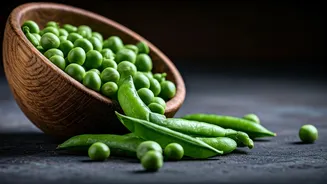
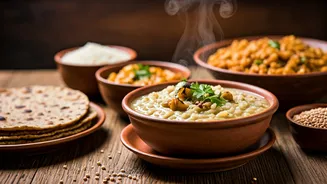
Bajra khichdi is a comforting and nutritious dish, ideal for a winter evening. To prepare it, you'll need bajra, moong dal (split green gram), vegetables (such as carrots, peas, and cauliflower), and spices like turmeric, cumin, and asafoetida. First, soak the bajra and dal for about 30 minutes. Then, sauté the vegetables with the spices in a pressure cooker. Add the soaked bajra and dal, along with water. Pressure cook for about 15 minutes, or until the khichdi is soft and well-cooked. This warm, easily digestible meal is a complete meal in itself, perfect for nourishing your body during the colder months. You can serve it with a dollop of ghee for added flavor and richness.
Bajra Roti: A Staple
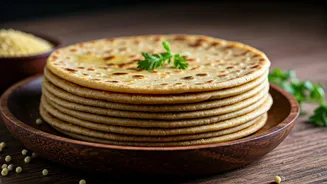
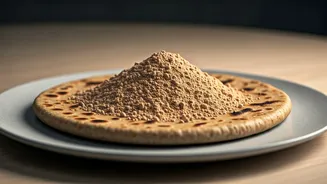
Bajra roti, a staple in many Indian households, provides warmth and energy. To make them, start by mixing bajra flour with warm water to form a soft dough. Knead the dough well until it becomes smooth and pliable. Take a portion of the dough and flatten it between your palms or on a rolling board. Traditionally, bajra rotis are cooked on a hot tawa (griddle). Cook each roti over medium heat, flipping it until both sides are lightly browned and slightly puffed up. Bajra rotis pair well with various vegetarian dishes, especially saag (leafy greens) and other winter vegetable preparations. They are a great source of fiber and keep you feeling full for longer.
Bajra Ladoo Delight
Bajra ladoos offer a delightful treat and a dose of health during winters. Preparing these ladoos involves roasting bajra flour, along with other ingredients like jaggery, nuts (such as almonds and cashews), and seeds (like sesame seeds and poppy seeds). The roasting of the flour is crucial to bring out the nutty flavor. Once the flour is roasted to a golden-brown hue, mix it with the other ingredients, and shape it into small, round ladoos. The addition of jaggery not only provides sweetness but also adds warmth. Bajra ladoos are packed with nutrients, fiber, and healthy fats, making them a nutritious and satisfying sweet treat. These ladoos are also a great snack for children and adults alike.
Bajra Upma’s Quickness
Bajra upma offers a quick and healthy breakfast or snack option. To prepare this, start by dry-roasting bajra rava (semolina) until it turns slightly golden. Then, sauté mustard seeds, curry leaves, and other vegetables (onions, carrots, and peas) in a pan. Add the roasted rava and water, and cook until the upma thickens and the bajra absorbs the water. Season with salt and spices to taste. Bajra upma is a good source of fiber and energy, keeping you full and active. Its quick preparation time makes it a convenient meal for busy mornings or evenings. Garnish with fresh coriander leaves for added flavor and freshness.
Bajra Porridge's Warmth
Bajra porridge is a soothing and nourishing option, perfect for cold winter mornings. You will need bajra, milk (dairy or plant-based), and sweeteners like jaggery or honey. Start by soaking the bajra overnight, which helps in faster cooking. Then, boil the soaked bajra in milk until it softens and thickens into a porridge-like consistency. You can add cardamom or other spices for flavor. Sweeten the porridge to your liking with jaggery or honey. Bajra porridge is a warming, nutritious, and easily digestible meal. It provides essential nutrients and energy, making it a great start to the day. Top it with chopped nuts and seeds for added texture and nutrition.