




Go Vertical with Vining Plants
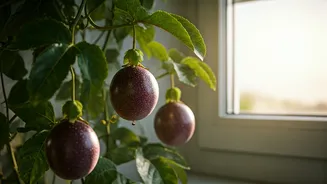
Elevate your garden's productivity and visual appeal by harnessing vertical space. Many popular vegetables, such as beans, peas, cucumbers, and even miniature
melons, thrive when encouraged to climb. Utilizing existing structures like fences or creating your own support systems with trellises or bamboo stakes not only saves ground space but also adds an attractive architectural element to your garden design. This method allows for denser planting and can create dynamic visual interest within your vegetable patch, making efficient use of every available inch. By directing plant growth upwards, you can ensure better air circulation and easier harvesting, while simultaneously freeing up valuable ground-level real estate for other crops or pathways. This approach is particularly beneficial in smaller gardens where maximizing yield is crucial.
Chic Container Gardening
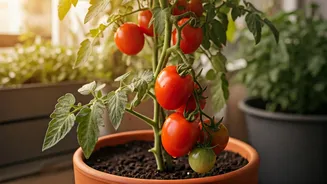
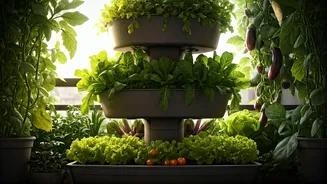
Embrace the flexibility and charm of container gardening, a versatile solution for any gardener. Forget the need for traditional raised beds or perfectly aligned rows; the beauty of containers lies in their adaptability. Almost any vessel with adequate drainage and sufficient size can be transformed into a planter, from repurposed furniture and old wheelbarrows to a collection of eclectic pots. This approach allows for creativity in arrangement and design, making it ideal for balconies, patios, or small yards. Container gardens are also incredibly low-maintenance, simplifying planting and weeding tasks compared to in-ground beds, and can be easily moved or stored away during colder months. The inherent mobility of containers offers unparalleled control over plant placement and soil conditions, ensuring optimal growth for a wide array of vegetables.
Strategic Row Placement
Optimize your garden's microclimate by strategically arranging your vegetable rows based on height and sunlight needs. Taller, sun-loving plants like tomatoes and corn should be positioned to receive maximum sunlight throughout the day. Conversely, more delicate greens and herbs that prefer partial shade can be situated behind or adjacent to these taller varieties, benefiting from the dappled light they provide, especially during the intense afternoon sun. This thoughtful layout not only maximizes sunlight absorption for all plants but also creates cooler microclimates for heat-sensitive crops. Before implementing your design, take time to observe the sun's path across your garden space during the growing season to inform the most effective placement for each plant type, ensuring balanced growth and reducing the risk of scorching for tender foliage.
Pathways and Edging
Enhance both the functionality and aesthetics of your garden by incorporating well-designed pathways and attractive edging. For raised beds, laying gravel paths provides a clean, low-maintenance walkway that ensures excellent drainage, preventing muddy conditions often associated with mulch. This also helps delineate garden areas and makes access for watering and weeding much simpler. Additionally, using materials like stone pavers, recycled bricks, or even low, curved fencing crafted from willow or salvaged wood can create beautiful borders for your beds. These edges not only define planting zones but also help to contain weeds and mulch, contributing to a tidy and organized garden appearance. Such features contribute significantly to the overall ease of garden maintenance and its visual appeal.
Pest Deterrents and Wildlife Barriers
Protect your precious harvest from garden pests and curious wildlife with simple yet effective barriers. Chicken wire, an inexpensive and versatile material, can be used to construct enclosures or fences that deter larger rodents like rabbits and woodchucks, thanks to its small mesh size. You can wrap it around stakes or integrate it into more elaborate wooden frames for a sturdier defense. Similarly, a wire cage constructed over plants can shield them from nibbling animals. Installing a scarecrow, and periodically changing its attire, can also serve as a deterrent, as many birds and animals are wary of human presence. These practical measures ensure that your hard work is protected, allowing your vegetables to grow undisturbed and maximizing your yield.
Creating Ambiance and Utility
Beyond planting, consider elements that enhance your gardening experience and utility. Designating a cozy seating nook with a comfortable chair or bench provides a perfect spot to rest, observe your garden, or enjoy a quiet moment amidst nature. For those with limited space, incorporating shelves or tables near container gardens creates a practical workspace for organizing tools, pots, and soil, making garden tasks more efficient. Furthermore, setting up a rain barrel is an environmentally conscious way to collect water, reducing reliance on municipal sources and ensuring a consistent water supply, especially during dry spells. These additions transform your garden from just a food-producing area into a relaxing and functional extension of your home.