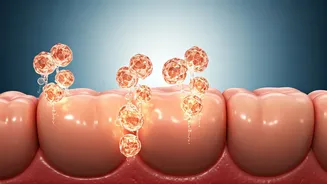







Gum Disease Explained
Periodontal disease, commonly known as gum disease, is a persistent bacterial infection affecting the tissues surrounding your teeth. It typically begins
as gingivitis, characterized by red, swollen gums that tend to bleed during brushing. If left untreated, this condition progresses to periodontitis, where the infection penetrates beneath the gumline, initiating the destruction of the bone that anchors your teeth. A striking aspect of periodontitis is its often painless progression; discomfort usually arises only when the damage is severe. Alarmingly, a significant portion of adults over 35 exhibit measurable signs of gum disease without realizing it, making its silent nature a primary contributor to its danger.
The Blood Sugar Connection
The connection between gum disease and blood sugar is profound and bidirectional. For individuals managing diabetes, the body's ability to combat infections and heal is already compromised. Elevated blood sugar levels inadvertently fuel the growth of detrimental oral bacteria, while reduced blood flow to the gums creates an opportune environment for infection. When bacteria from a gum infection enter the bloodstream, either through chewing or brushing, the immune system responds by releasing inflammatory chemicals. These very same chemicals interfere with the body's effective use of insulin, leading to heightened blood sugar levels that are more difficult to regulate. This creates a vicious cycle, increasing the risk of complications such as nerve damage, kidney disease, and cardiovascular issues.
Research Insights
Numerous studies have consistently highlighted a significant correlation: individuals suffering from gum disease often face greater challenges in maintaining stable blood sugar levels. Encouragingly, research also demonstrates that treating gum disease yields tangible benefits. Many patients who have undergone treatment for their periodontal infections have observed a notable decrease in their blood sugar readings over time. While this improvement might not be instantaneous, it represents a lasting positive change. Effectively removing a chronic infection allows the body to dedicate more resources to essential functions, including insulin regulation. Consequently, untreated gum disease is now recognized by researchers as a genuine risk factor for suboptimal diabetes management, standing alongside diet and lifestyle choices.
Bridging The Gap
The prevalent disconnect between dental and medical professionals contributes to the lack of awareness surrounding this crucial link. Typically, patients receive diabetes management advice focused on diet, exercise, and medication, with little to no mention of oral hygiene. Conversely, someone diagnosed with gum disease might receive a prescription for mouthwash, yet their blood sugar levels may go unaddressed. This failure to connect the dots across disciplines results in patients suffering from both conditions without receiving comprehensive care. Furthermore, both diabetes and gum disease often progress stealthily; diabetes can remain undiagnosed for years, and gum disease can inflict substantial damage before any pain is felt, leading to a gradual decline in health without timely intervention.
Proactive Oral Care Steps
Fortunately, maintaining good oral health, and by extension, better diabetes control, involves straightforward actions. Beyond addressing immediate discomfort, it is crucial to schedule dental check-ups every six months, specifically requesting a periodontal examination. Daily oral hygiene practices, including brushing twice a day and flossing once daily, are paramount, with particular attention paid to the gumline where bacteria tend to accumulate. It is vital to inform your dentist about your diabetes diagnosis and share your blood sugar readings. If you have been diagnosed with gum disease, communicate this to your physician and inquire about recent blood sugar testing. For smokers, quitting tobacco is one of the most impactful steps one can take to simultaneously benefit both oral and metabolic health.
Mouth: Health's Gateway
It is a common misconception to view the mouth as an isolated entity, separate from the rest of the body. However, it shares the same circulatory system, immune responses, and inflammatory pathways as the entire system. When oral health suffers, the entire body is affected. For individuals with diabetes, prioritizing oral health—through regular check-ups and necessary treatments—is among the most effective strategies for enhancing metabolic well-being. The scientific evidence unequivocally supports this connection, making it imperative that this vital information is disseminated and acted upon.