





Escaping the Digital Deluge
In a world increasingly dominated by screens, a growing number of young individuals are actively seeking respite from the relentless flow of digital information.
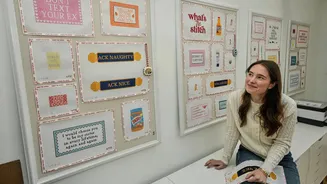
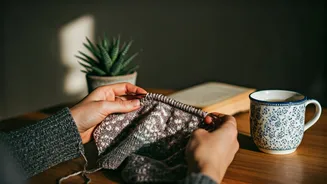
Emma MacTaggart, a 26-year-old who once spent her evenings immersed in her phone after long workdays, found a compelling alternative. Alongside her roommates, she rediscovered needlepoint, a craft she'd learned in childhood. This tactile activity provided a therapeutic escape, offering a way to disengage from stress and work while actively engaging her hands. This shift from passive scrolling to active creation has become a significant trend, with many young people embracing offline pursuits to reconnect with a sense of childlike wonder and creativity. Ironically, this analog revival has been amplified by its visibility on social media platforms, turning traditional crafts into modern phenomena.
The Rise of 'Grandma Hobbies'
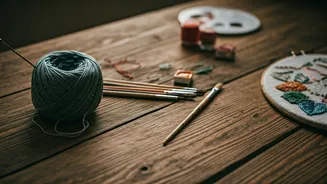
The term 'grandma hobbies' has emerged online to describe activities historically associated with older generations, such as knitting, gardening, and needlepoint. However, the appeal has broadened significantly, encompassing a diverse range of offline, tactile interests like pottery, origami, and even blacksmithing. While the pandemic initially fueled this interest by providing more free time, these 'grandma hobbies' have proven to be more than a fleeting trend, continuing to gain momentum. Emma MacTaggart, now a successful entrepreneur, transformed her passion for needlepoint into a business, 'What's the Stitch,' infusing the traditionally formal craft with modern humor and flair. This resurgence highlights a desire for hands-on engagement and a rejection of purely digital experiences.
Therapeutic Benefits and Mindful Engagement
Beyond mere pastimes, these analog activities offer substantial psychological benefits. Dr. Jaime Kurtz, a psychology professor specializing in happiness, notes that hobbies requiring focus and dedication can significantly reduce anxiety and stress. Engaging in tasks that present challenges and offer a tangible sense of accomplishment can be incredibly rewarding. Clara Sherman, co-founder of So Bam Fun, describes playing mahjong with friends as entering a 'zen state,' creating a bubble of shared enjoyment that silences external worries. This mindful engagement allows individuals to disconnect from the wider world and immerse themselves in the present moment, fostering a sense of peace and well-being that is often elusive in our hyper-connected lives.
Technology as an Enabler
While the core appeal of these hobbies lies in their analog nature, technology isn't entirely absent. For some, like birdwatcher Isaiah Scott, digital tools enhance their experience. The eBird app, for instance, allows him to log sightings, contributing to scientific research while mirroring the engaging progression of video games like Pokémon. This blend of the old and new demonstrates how technology can open doors to forgotten interests and facilitate deeper engagement. Scott's passion for birdwatching has also inspired him to establish the Rookery and Roots Conservancy, highlighting how these hobbies can foster a sense of purpose and drive conservation efforts.
Building Businesses and Communities Online
The internet has played a crucial role in the proliferation and commercialization of these analog hobbies. Blacksmith and content creator Anna Weare, known as AnvilAnna, has leveraged social media platforms to build an international audience for her durable, handcrafted goods, a stark contrast to mass-produced items. Similarly, Kristie Landing's platform, Verse & Sip, fosters a vibrant community around paper crafts like letter writing and origami. Through online content and initiatives like a pen pal matching service, she cultivates slower, more intentional interactions. These creators are not just sharing skills but are building thriving businesses and fostering a sense of connection among like-minded individuals, demonstrating the powerful synergy between analog hobbies and digital outreach.