
Accepting Differences
In relationships, especially those lasting a long time, partners often discover they have different preferences. One area where this becomes quite obvious
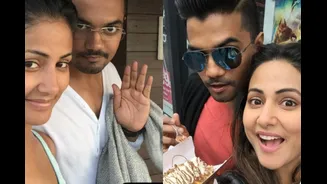
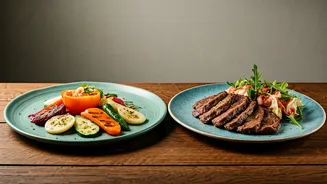
is in food choices, where dietary habits vary widely. The article references a couple, Divyanka Tripathi and Vivek Dahiya, to illustrate this. Divyanka is a vegetarian, while her husband is not, creating a situation where they have to respect their differences. This scenario helps highlight the broader point that trying to change a partner is rarely successful, and often counterproductive. Instead of seeking to convert each other, the core message emphasizes the value of accepting individual choices. It suggests a more positive approach: to embrace your own values openly and let your partner have the freedom to be themselves.
Non-Coercive Influence
The approach to managing differences in relationships mentioned in the article is described as "non-coercive influence". This method sidesteps potential conflicts. It avoids power struggles, and shaming, thereby creating a space where learning happens naturally. Without pressure, individuals are more open to understanding and possibly adopting or appreciating different views. When partners feel secure and respected for their individual choices, the relationship becomes a place of trust. This in turn, fosters mutual understanding and acceptance. The key is to live authentically and let your actions speak louder than words.
Avoiding Coercion Tactics
The article suggests that real, lasting change in relationships doesn't usually come from forcing your beliefs on your partner. Persuasion can lead to resistance and resentment. Instead, the focus should be on creating a space where individual differences are respected. The concept of compatibility, the article clarifies, is not about becoming carbon copies of each other, but about showing emotional respect. It means allowing your partner the space to be themselves without feeling pressured to conform. It creates an environment where partners can organically grow and evolve together. Expressing preferences calmly and without emotional pressure transforms the relationship dynamics, making it more about exploration and less about control.