






The Raw Salad Paradox
We often champion raw vegetable salads as the pinnacle of healthy eating, a go-to for boosting fibre and aiding weight loss. However, this monolithic view
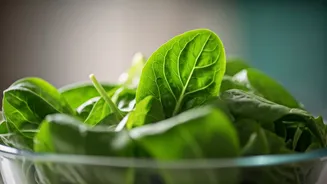
of nutrition might be misleading. Integrative nutritionist Neha Ranglani points out that for many, these vibrant bowls of greens and veggies could inadvertently be causing more discomfort than benefit. The core issue lies in the structure of raw vegetables themselves. They contain cellulose, a type of insoluble fibre forming rigid cell walls. Our digestive systems struggle to break down this tough material efficiently, forcing them to work overtime. When digestion is compromised, especially in individuals with a sensitive system, this struggle can manifest as unpleasant symptoms like gas, bloating, a feeling of heaviness, and general abdominal discomfort. It's a clear signal that the body is having a hard time processing these uncooked ingredients, indicating that the diet isn't supporting, but rather fighting against, optimal digestion.
Digestive Hurdles Explained
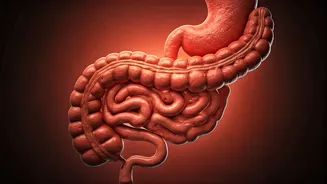
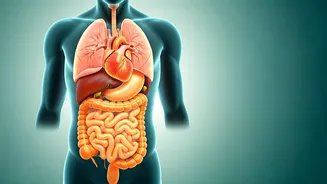
The difficulty in digesting raw vegetables stems from their inherent cellular structure. The presence of cellulose, a robust and insoluble fibre, means these vegetables often pass through the digestive tract largely intact. This forces the stomach and intestines to exert significant effort to break them down. For individuals with a weaker digestive capacity, or those experiencing conditions like SIBO (Small Intestine Bacterial Overgrowth), IBS (Irritable Bowel Syndrome), or general gut inflammation, consuming raw vegetables can exacerbate symptoms. The undigested fibres can ferment within the digestive tract, producing gas and leading to bloating and an uncomfortable feeling after meals. Even seemingly harmless additions like creamy dressings, nuts, seeds, and avocado can amplify digestive issues if bile flow is sluggish, as they require efficient fat digestion. A lack of adequate bile can cause these fats and fibres to contribute further to bloating and heaviness.
The Cooking Advantage
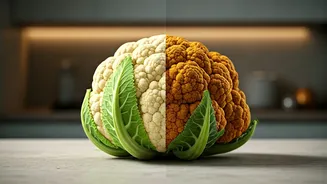
In contrast to their raw counterparts, cooked vegetables offer a significant advantage for our digestive systems. The process of cooking, whether through steaming, blanching, or stir-frying, effectively breaks down the tough cellulose walls, making the vegetables far easier to digest. This enzymatic action not only softens the fibres but also enhances the body's ability to absorb essential minerals and nutrients. Cooked vegetables act as catalysts, simplifying the digestive process and reducing the likelihood of discomfort. They essentially pre-digest the fibres, allowing our bodies to readily access the vitamins and minerals within. This makes cooked vegetables a more accommodating choice for individuals who experience digestive sensitivities or have underlying gut conditions, promoting a more harmonious relationship between food and the body.
Tips for Gut-Friendly Salads
While raw salads might pose challenges, it doesn't mean they have to be entirely avoided. There are several strategic modifications that can make them more digestible. Incorporating ingredients that support digestion, such as apple cider vinegar, lemon juice, or fermented foods like kimchi or sauerkraut, can provide beneficial probiotics and acids. Finely chopping vegetables and chewing them thoroughly are crucial steps, as they physically break down the food, easing the digestive load. Avoiding raw salads late at night, when digestion naturally slows, can also be beneficial. For those who prefer their greens cooked, lightly blanching or steaming vegetables before adding them to a salad is an excellent alternative. Stir-frying is another effective method that softens the vegetables while retaining nutrients. Ultimately, the goal is to create a diet that actively supports your digestive system rather than taxing it.