
Introduction to Animal Hugs
Animals, just like humans, often seek comfort and security in physical closeness. This instinctual behavior is particularly evident when they sleep. Several
species have evolved or developed social structures that necessitate or promote physical contact during rest. These behaviors range from simple huddling for warmth to complex social bonding rituals that are crucial for survival. The act of hugging or sleeping in close proximity offers a range of benefits, including increased body warmth, protection from predators, and the strengthening of social bonds. Furthermore, it helps to regulate physiological processes, such as heart rate and respiration, contributing to better sleep quality and overall well-being. Understanding these hugging habits provides insights into the intricate social dynamics and adaptive strategies of the animal kingdom.
Primates and Close Contact
Primates, being our closest relatives, exhibit many of the same social behaviors, including hugging and sleeping in contact. Monkeys and apes often sleep in tight-knit groups, embracing each other for warmth and security. The intensity of these hugs can vary, ranging from casual contact to long, affectionate embraces. For primates, these displays of physical affection play a significant role in establishing dominance hierarchies, reducing stress, and fostering group cohesion. Studies show that primate social dynamics are heavily influenced by these sleeping arrangements. The location within the group or the choice of sleeping partner signifies their position within the group. The act of hugging also reduces the production of stress hormones like cortisol and promotes feelings of safety and relaxation, making for better sleep. These behaviors contribute to the well-being of the entire group.
Elephants: Gentle Giants
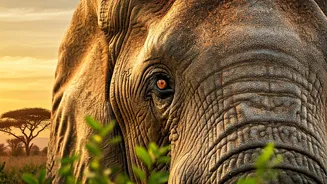
Elephants, despite their large size, are surprisingly affectionate creatures. They frequently sleep in close proximity, using their bodies to provide support and security. Mothers and calves are often seen sleeping side-by-side, frequently touching, which strengthens the bond between them. This physical touch also aids in temperature regulation, particularly during cold nights. The act of hugging and resting near each other can be seen as part of the emotional and social foundation of elephant society. This behavior is also seen among related adults. The mutual support that these physical interactions provide reduces stress and contributes to the overall stability of the herd. The physical closeness also serves to reinforce social bonds and helps elephants navigate the complexities of their social structure.
Sea Otters and Floating Hugs
Sea otters have a unique sleeping habit: they hold hands while they float. This adorable practice ensures that they don't drift apart while sleeping in the ocean. This simple act of clasping paws is a survival mechanism, particularly for mothers and their pups. By clinging to each other, they are less vulnerable to strong currents and predators. This form of hugging is not just practical; it is also a way to reassure each other. Studies have revealed that sea otters sleep in family groups, where they also intertwine with each other to stay together. This shows their strong social bonds, offering them warmth and a sense of security while in the open water. This behavior is a unique adaptation and illustrates the incredible resilience of these marine creatures.
Wolves: Pack Dynamics
Wolves are highly social animals that depend on their pack for survival. They typically sleep together in close contact. This physical closeness is essential for both warmth and protection, particularly during winter. Wolves, as hierarchical animals, will position themselves near others in their group as an indicator of their status. High-ranking members often sleep in the center of the pile, offering protection to the rest of the pack. The close proximity of wolves while sleeping is an integral part of their social structure. This activity reinforces bonds, communicates loyalty, and shows their cooperation within the pack. These displays of affection make sure each wolf has a part in their pack's collective survival and strength.
Meerkats and Sentinel Duty
Meerkats, known for their vigilant behavior, are also huggers, sleeping together in tight groups. This communal sleeping arrangement offers warmth and security in the arid environments they inhabit. They often huddle together with their sentinel, the member of the group on watch. This behavior not only provides warmth but also allows the sentinel to stay attentive and immediately respond to any threats. The sentinels also benefit from the collective alertness of their group. The shared responsibilities of hugging and keeping watch highlights the importance of cooperation for survival in these small mammals. Hugging is an integral part of the meerkats' community structure and provides a sense of safety and mutual support.
Cats: The Purrfect Snuggle
Domestic cats and their wild relatives often sleep together, exhibiting a range of hugging behaviors. From cuddling with their kittens to sleeping in close contact with other cats, these animals embrace the benefits of physical closeness. Cats' reasons for hugging include warmth, security, and establishing social bonds. They may share space with others in their group as an indicator of affection, mutual respect, or acceptance within the cat society. This behavior promotes calmness, reduces stress, and strengthens their emotional connection. This display of fondness may also increase their chance of survival. For both domestic and wild cats, the act of hugging is an important element of their social life, making for more well-adjusted and secure felines.
Humans: Embracing Sleep
Humans, just like other animals, often hug each other while sleeping. Whether it’s sharing a bed with a partner or cuddling with family members, these displays of affection are common. The reasons for these hugs are varied: to feel safe, to bond emotionally, and to comfort each other. Physical closeness releases oxytocin, a hormone that reduces stress and enhances feelings of well-being and attachment. For many, a hug is a central component of a good night's sleep. It also strengthens emotional bonds and provides a comforting sense of safety. These acts of intimacy are integral to human relationships, promoting happiness and a fulfilling social life. Sharing close physical contact while sleeping can bring about increased well-being and a stronger sense of belonging.