
Shifting Global Dynamics
The global landscape is undergoing a significant transformation, with established power structures facing new challenges. This re-evaluation of international
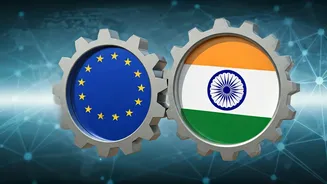
partnerships has spurred India to explore and solidify its connections with Europe. The focus isn't simply on maintaining existing relationships; it's about actively shaping a new strategic geography. The driving force behind this shift appears to be a desire to navigate the complexities of a world dominated by both the United States and China. This involves seeking a balance of power, creating new opportunities, and ensuring India's strategic autonomy. India is aiming to diversify its collaborations, creating a more robust and resilient approach to international relations, which involves viewing Europe as a crucial partner in this intricate global ballet.
Modi & Merz: A Partnership?
Key figures such as Narendra Modi and Friedrich Merz are pivotal in shaping this new alignment between India and Europe. While the exact contours of their partnership may not be fully visible, their actions suggest a shared vision. These leaders are working towards strengthening the ties between their respective regions. The visit of a high-ranking German official, like Chancellor Merz, underscores the importance of this relationship. This burgeoning cooperation is not merely symbolic; it represents a commitment to mutual interests, including economic growth, security collaboration, and the pursuit of shared values. This developing relationship is about more than diplomacy; it is an effort to construct a new framework for international cooperation, one that challenges the established status quo.
Balancing Act: US and China
A significant aspect of the 'Indo-Europe' strategy is its potential to balance the influence of the United States and China. The global stage is currently dominated by these two major powers, and many nations are adjusting their foreign policies accordingly. India and Europe's collaboration offers a middle ground, providing an alternative to the binary choices sometimes presented by the US and China. This doesn't necessarily imply opposition to either; rather, it's about ensuring strategic autonomy and pursuing a multi-aligned approach. By deepening ties with Europe, India seeks to diversify its partnerships, mitigate potential risks, and safeguard its interests in a rapidly changing world. This complex balancing act reflects a pragmatic approach to foreign policy, prioritizing flexibility and adaptability.
A New Strategic Geography
The emerging 'Indo-Europe' partnership is reshaping the strategic landscape, creating a new geography of influence and cooperation. This is not just a collection of bilateral agreements; it is about building a framework for long-term collaboration across multiple sectors. This includes trade, investment, technology transfer, and security cooperation, leading to shared prosperity and stability. The development of this new strategic geography signifies a shift from traditional power dynamics. It represents a move toward a more multi-polar world. As India and Europe strengthen their ties, they contribute to a more diversified global order. This transformation is ongoing, and its full impact is yet to be realized, but its significance is undeniable.
Challenges and Opportunities
The Indo-European partnership presents both opportunities and challenges. While the potential benefits are substantial, various obstacles must be addressed to ensure its success. Disagreements on certain international issues, economic differences, and bureaucratic hurdles could hinder progress. However, the shared values and strategic interests between India and Europe can serve as a strong foundation for overcoming these challenges. The collaboration fosters economic growth and technological advancement. It also offers the potential for enhanced security cooperation and the promotion of shared values on the global stage. Careful navigation of complex geopolitical realities, along with a commitment to open communication and mutual respect, will be critical to realizing the full potential of this evolving partnership. The future of this relationship will depend on its ability to evolve, adapt, and respond to the challenges and opportunities ahead.