
The Enigmatic Pathare Prabhus
The Pathare Prabhu community, recognized as among the very first inhabitants of the region that is now Mumbai, has maintained an astonishingly private
culinary legacy for approximately 700 years. Unlike most communities, their food traditions have been meticulously kept within family confines, rarely shared with outsiders, and certainly not found in restaurants. This ancient Maharashtrian group, numbering around 7,000 globally, traces its lineage back to King Ashwapati, embarking on a historical journey from Nepal through Gujarat to eventually settle in Mumbai. Their ancestral movements have woven influences from Gujarati and Marwari cultures into their distinct dialect and, most notably, their food. Beyond their culinary contributions, the Pathare Prabhus have left an indelible mark on Mumbai's landscape, credited with establishing significant landmarks such as the Mahalakshmi Temple and Bhau Cha Dhakka, and have produced prominent figures in politics and entertainment, solidifying their deep, albeit quiet, connection to the city.
Distinctive Culinary Identity
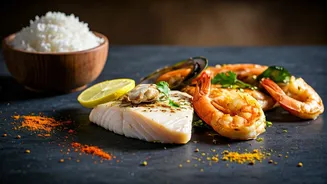
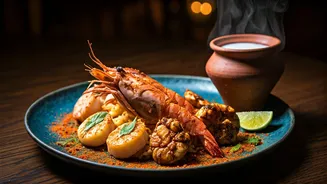
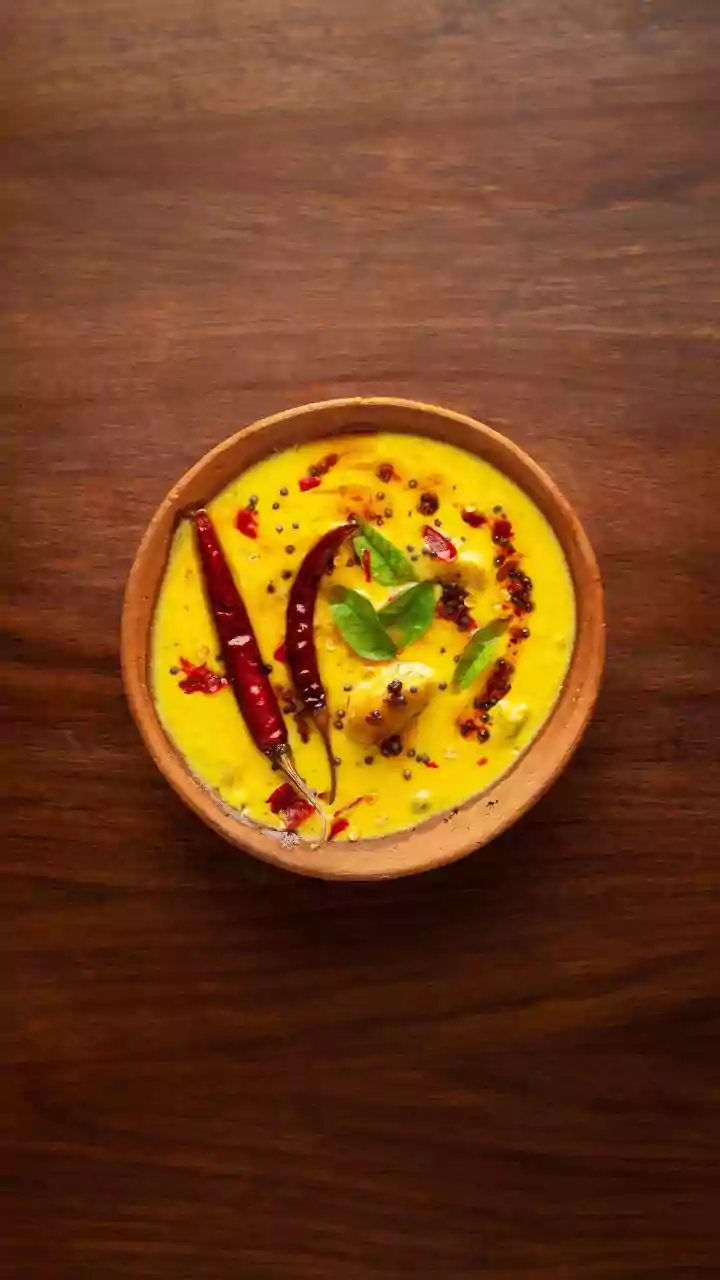
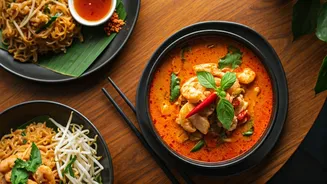
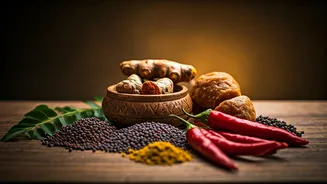
Pathare Prabhu cuisine carves out a unique niche, diverging significantly from established Maharashtrian, Malvani, Konkani, and Goan-Portuguese culinary landscapes. A primary distinguishing factor is its profound emphasis on seafood, a direct consequence of their coastal Mumbai settlement, a stark contrast to the more land-based meat preferences of other Maharashtrian communities. They favor premium and less common marine catches like Ghol fish, Rawas, Black and White Pomfret, and large varieties of prawns and lobsters. Furthermore, their approach to coconut sets them apart: instead of the commonly used grated coconut, they predominantly employ coconut cream and milk, creating a texture reminiscent of Southeast Asian curries, which they refer to as 'sambare'. The true enigma lies in their proprietary spice blends, particularly the 'parbhi masala', a closely guarded secret involving 16 to 20 ingredients, sometimes including whole wheat and split Bengal gram. Their 'sambhar masala' is also notably different from its South Indian counterpart, reportedly featuring a complex mix of thirty-two spices.
The Non-Veg Infusion
A truly delightful characteristic of Pathare Prabhu cooking is their liberal and enthusiastic integration of non-vegetarian elements into what might otherwise be considered standard vegetarian or traditional Maharashtrian dishes. This practice, which they playfully refer to as 'PP-fying' recipes, involves adding ingredients like minced prawns or mutton to dishes such as upma, alu vadi, and even the typically sweet karanji, transforming them into savory delights. Their adaptation extends to Gujarati staples; the traditional undhiyo, a mixed vegetable dish, is reimagined as 'PP Ghada', enriched with shrimp, Ghol fish, and sometimes dried fish like Bombay duck. This deliberate layering of seafood into various preparations isn't mere improvisation but a deep-seated reflection of their historical proximity to abundant ocean resources and a community ethos that saw no hesitation in embracing the bounty of the sea. This culinary habit underscores a unique approach to flavor and texture, enriching their traditional repertoire with oceanic depth.
Iconic Dishes and Baking Prowess
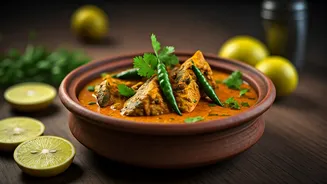
The Pathare Prabhu culinary repertoire boasts a rich and highly specific array of dishes, some even named after the sounds of their preparation, like 'Khadkhadle', derived from the crackling of prawns or crabs in a hot pan. A celebrated dish is 'Chimbori che Khadkhadle', a spicy garlic gravy preparation with crab, renowned for its aromatic blend of fresh crab, coconut milk, and a hint of ancestral flavors. Other notable specialties include 'Tomato chi Sheer' (tomato and prawns in coconut milk), 'Bombil Methkut' (fresh Bombay duck in tangy pickle masala), 'Kolambi che Atle' (tangy prawn and tamarind dish), 'Cauliflower che Bhanavle' (baked dish with shrimp), and 'Kairi che Kharone' (raw mango and coconut milk preparation). Beyond these savory creations, the Pathare Prabhus are considered the pioneers of baking in Western India. They developed 'Parbhi Pao', a distinct bread made with home-cultivated yeast, ensuring a unique spongy yet coarse texture. Traditionally served with a thick aamras, this bread was designed to be palatable for local Hindus by avoiding animal fats, and its production continues as a cherished community practice.
Refined Cooking Style
The culinary approach of the Pathare Prabhus is characterized by its restraint and precision, steering clear of overly bold colors or heavy spice applications. Their dishes often lean towards a stew-like consistency rather than thick curries, typically featuring more onions and less tomato. While they enjoy non-vegetarian options year-round, their cooking emphasizes a refined flavor profile, allowing the high-quality ingredients, particularly the premium seafood, to shine. The use of coconut milk lends gravies a luxurious, silky texture, while the complex 'sambhar masala' adds depth without overpowering the primary flavors. This cooking style, often described as a blend of Maharashtrian and coastal influences with an English sensibility, reflects the community's educated background and their historical engagement with the cosmopolitan environment of British-era Mumbai, resulting in a sophisticated and balanced gastronomic experience.
Preserving a Living Legacy
The survival of Pathare Prabhu cuisine for over seven centuries is a testament to its deliberate exclusivity, yet this very inaccessibility now presents a challenge to its continued existence. The community's small size and the tradition of keeping recipes private have limited its reach. However, a growing realization within the community that this rich heritage risks being lost has spurred a gentle opening. In recent years, Pathare Prabhu families have begun hosting pop-up dining events in Mumbai, offering outsiders a rare glimpse into their culinary world. Prominent community members, like food personality Kunal Vijayakar, have played a role in raising public awareness, and chefs are increasingly exploring these unique flavors. Home chefs, such as Kalpana Talpade, are sharing recipes through platforms like YouTube, providing unprecedented access. While sharing their food more broadly, the community remains committed to preserving its core identity, meticulously guarding masala proportions and traditional techniques, demonstrating a conscious decision to allow wider appreciation without sacrificing their unique culinary soul.
Cultural Significance and Future
Within the vast and celebrated tapestry of Indian food culture, certain traditions, though small and specific, face the risk of fading into obscurity. Pathare Prabhu cuisine exemplifies such a precious pocket of heritage. The persistence of a 700-year-old culinary legacy within a community of just 7,000 individuals is remarkable, representing a profound testament to cultural resilience. This story chronicles a people whose journey across regions culminated in settling the islands that would become India's bustling metropolis, all while preserving their unique way of cooking. From the distinctive crackle of crab dishes to the subtle aroma of sourdough bread and the nuanced coconut milk curries, this cuisine vividly tells the story of its origins and its creators. Recognizing the rarity and value of such distinct culinary narratives, the Pathare Prabhu community is increasingly willing to share its treasures, ensuring that this unique gastronomic heritage continues to be appreciated and understood for generations to come.