




Nectar & Host Plants
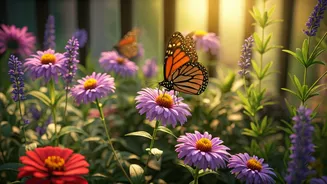
To truly entice butterflies to your balcony, a two-pronged plant selection strategy is key. Focus first on plants that continuously offer abundant nectar,
serving as vital energy sources for these aerial visitors. Varieties like Lantana, Marigold, and Zinnia are excellent choices as their blooms are easily accessible and provide a steady supply of this sugary fuel. These are also well-suited for container gardening, making them perfect for balcony spaces. However, nectar alone won't encourage butterflies to linger. You must also incorporate host plants, which are crucial for their life cycle. Milkweed and parsley, for instance, act as nurseries, providing the essential food for caterpillars and surfaces for butterflies to lay their eggs. Without these dedicated host plants, butterflies may visit but won't establish a long-term presence, transforming your balcony from a transient stop into a true habitat.
Strategic Plant Arrangement
The way you arrange your plants significantly impacts how attractive your balcony becomes to butterflies. Instead of scattering pots evenly, clustering them together creates a more inviting and less effortful environment for these insects. Think of it as creating cozy pockets of food. A helpful guideline for arrangement involves layering plants by height: place taller specimens towards the back of your balcony space and shorter ones towards the front. This tiered approach not only enhances visual appeal but also makes it easier for butterflies to navigate and find their preferred flowers. Cluster planting is particularly effective for pollinators like butterflies because it minimizes their search time for nectar, allowing them to spend more energy on other vital activities. On a balcony, these seemingly minor details can be the deciding factor in whether butterflies simply pass by or choose to stay and explore.
Water and Shelter Essentials
While flowers are the primary draw, providing water and shelter will encourage butterflies to stay longer and feel more secure. A simple yet effective method is to place a shallow tray filled with damp soil or sand on your balcony. Butterflies can use this as a resting spot and a source for essential minerals and hydration, especially during warmer months when natural water sources may be scarce. Beyond water, the feeling of safety is paramount. You can enhance the sense of shelter by incorporating taller plants strategically around the edges or by planting containers more densely. This creates a more enclosed and protected atmosphere, making butterflies feel comfortable enough to rest and eventually consider your balcony a safe haven. Additionally, consider vertical gardening solutions like hanging planters or rail boxes. These add layers and dimensions, providing even more nooks for shelter and spaces for plants, further enriching the habitat.
Chemical-Free Haven
A crucial, yet often overlooked, aspect of creating a thriving butterfly habitat is the complete avoidance of chemical pesticides and herbicides. Even minimal exposure can be detrimental to butterflies and their developing larvae. Opting for organic gardening practices is paramount for both the health of your plants and the well-being of your intended visitors. Many gardening experts consistently emphasize that a chemical-free approach is the most effective way to ensure a vibrant and sustainable space for butterflies. By maintaining an environment free from harmful substances, you guarantee that your balcony will be a safe and inviting sanctuary for these delicate creatures throughout the year, encouraging repeat visits and supporting their life cycles naturally.
Continuous Bloom Strategy
To ensure your balcony remains a magnet for butterflies year-round, implement a strategy of continuous blooming. This involves selecting a variety of flowers that bloom at different times throughout the seasons. As one plant finishes its flowering cycle, another should be ready to take its place, providing a consistent and reliable source of nectar. This approach is supported by research indicating that steady access to floral resources plays a critical role in sustaining butterfly populations in urban areas. By staggering bloom times, you significantly increase the likelihood that butterflies will not only visit but also establish your balcony as a regular and dependable feeding ground. This thoughtful planning ensures a dynamic and ever-present attraction for your fluttering guests.