






Lingering Mouth Sores
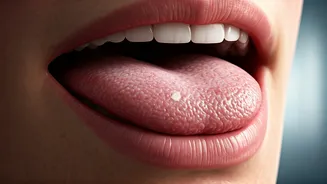
While minor mouth sores and ulcers are common and typically heal within a couple of weeks, it's vital to pay attention if one persists for longer. Any
lesion on your lips, gums, or tongue that remains for over two weeks warrants medical attention. The concerning aspect is that these persistent sores may not always be painful, leading many individuals to dismiss them as insignificant. This lack of discomfort can create a false sense of security, delaying a crucial examination. Understanding this characteristic is key to recognizing a potential early indicator of oral cancer.
Unusual Mouth Patches
Changes in the coloration of the tissues inside your mouth are significant indicators that should not be disregarded. The appearance of white patches, medically known as leukoplakia, or red patches, termed erythroplakia, can sometimes signify precancerous development. These discolored areas might emerge on the surface of your tongue, within the inner lining of your cheeks, or along your gums. A crucial point to remember is that these patches often present without causing any immediate pain or discomfort, making them easily overlooked during routine oral hygiene. Vigilance regarding these visual changes is paramount for early detection.
Unexplained Discomfort
Persistent sensations of pain or tenderness within your mouth, throat, or even radiating to your ears, without any apparent injury or identifiable cause, should be taken seriously. This discomfort may not be acutely intense but can manifest as a nagging ache that lingers or gradually intensifies over time. Such unexplained sensations could be a subtle signal from your body that something is amiss. It’s important to differentiate this from temporary irritations and to consult a healthcare professional if these feelings persist without a clear reason.
Chewing and Swallowing Issues
Experiencing difficulties with the fundamental acts of eating and speaking can be an early sign that warrants attention. If you notice a new sensation of food getting stuck when you swallow, or if the process becomes noticeably uncomfortable, it might be more than just a transient problem. Similarly, any developing issues with chewing effectively, or any unusual restriction in the movement of your tongue or jaw, should not be dismissed. These subtle changes in oral function can be indicators of underlying oral health concerns.
Lumps and Swelling
Pay close attention to any unusual physical changes within your oral cavity or the surrounding neck area. The discovery of a lump, the presence of swelling, or a general feeling of thickening in your cheek, jaw, or neck region can be cause for concern. It is important to note that these changes might not be accompanied by pain, which can lead to them being overlooked. However, such physical alterations can signify abnormal tissue growth that requires thorough medical evaluation to rule out serious conditions.
Voice Alterations
Changes in your vocal quality or a persistent hoarseness that doesn't resolve can be indicative of underlying issues within the throat or oral structures. If you experience a noticeable change in your voice that lasts for more than a couple of weeks without improvement, it is advisable to seek medical advice. This symptom, while seemingly unrelated to oral health, can be a critical sign connected to the oral cavity or pharynx, underscoring the interconnectedness of these areas.
Sensory Changes
A loss of sensation or the development of numbness in areas such as the tongue, lips, or other parts of your mouth is not a normal physiological occurrence and should be investigated. This symptom could potentially indicate nerve involvement, suggesting a more complex issue that may not be immediately apparent. Because it doesn't involve pain, it is often overlooked, but it remains a crucial symptom to be aware of and report to a healthcare provider.
Unexplained Bleeding
Bleeding within the mouth that occurs without any identifiable cause, such as injury or trauma, should be treated with caution, especially if it happens repeatedly. While seemingly minor, unexplained bleeding is never a symptom to ignore. It can be an indication of underlying tissue changes or abnormalities that require professional assessment to determine the cause and appropriate course of action.
Dental Anomalies
Changes in the stability of your teeth or issues with the fit of your dentures can signal underlying problems. If your teeth feel loose despite maintaining good oral hygiene practices, or if your dentures suddenly become ill-fitting, this could point to an issue with the jawbone or the soft tissues that support them. These dental anomalies might be linked to conditions affecting the oral structures, necessitating a professional dental or medical evaluation.
Unintended Weight Loss
A noticeable and unintentional decrease in body weight can sometimes be associated with oral cancer, particularly if eating has become difficult or painful due to the condition. While weight loss alone is not a definitive sign, when it occurs in conjunction with other potential symptoms, it serves as an important warning sign that warrants further investigation and medical consultation.