


What is PROM?
Passive Range of Motion (PROM) refers to a type of physical therapy where a joint or limb is moved through its full range of motion by an external force,
rather than the individual's own muscle effort. This technique is particularly valuable when a person is unable to move a joint independently due to injury, illness, or post-surgical recovery. The primary aims of PROM exercises are to maintain joint suppleness, prevent undesirable stiffness from setting in, and encourage better circulation within the affected area. A qualified healthcare provider, such as a physical therapist or occupational therapist, typically oversees and performs these movements. It's crucial to understand that PROM is distinct from Active Range of Motion (AROM), where the individual actively uses their muscles to move the joint. AROM exercises are usually introduced once a patient has regained sufficient strength and control to participate more actively in their rehabilitation. The specific exercises, their intensity, and duration are always tailored to the individual's unique condition and recovery objectives, underscoring the importance of professional guidance for safe and effective application.
PROM vs. AROM
Understanding the distinction between Passive Range of Motion (PROM) and Active Range of Motion (AROM) is fundamental to comprehending joint rehabilitation and mobility enhancement. PROM involves an external force, such as a therapist or a specialized machine, moving a joint through its range without any voluntary muscle contraction from the individual. This is often the initial step in recovery, especially when movement is painful or impossible. In contrast, AROM is when an individual uses their own muscles to move a joint through its available range. Austin Martinez, director of education for StretchLab, highlights that AROM is more directly tied to everyday functionality—tasks like walking, reaching for objects, or participating in sports rely heavily on our ability to perform active movements. While PROM focuses on maintaining joint health and preventing deterioration, AROM emphasizes regaining functional strength and coordination for daily life activities. Both have crucial roles, but they serve different purposes in the journey back to full mobility.
Benefits of PROM
Incorporating passive range-of-motion exercises into a post-injury recovery plan offers significant advantages for joint mobility and overall functional recovery. By gently moving joints through their complete range of motion, these exercises help to forestall the development of long-term stiffness and limitations that can arise after trauma or surgery. This not only accelerates the healing process but also ensures that individuals retain sufficient mobility to manage everyday tasks with ease and continue engaging in cherished activities. According to Martinez, for those aiming to specifically enhance joint function and range, particularly after an injury, PROM is often the most effective approach because it allows for greater force application and sustained holds, leading to more substantial improvements over time. Furthermore, PROM can be a vital component for individuals who are temporarily unable to actively move their joints, providing a means to maintain joint health and prevent complications during the recovery period.
Key PROM Exercises
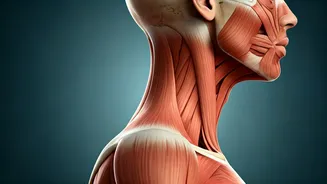
To effectively improve muscle flexibility and joint mobility, passive range-of-motion exercises are often recommended. One method involves utilizing tools like stretching straps, which aid in holding a stretch for an extended duration, thereby promoting deeper flexibility. However, the most beneficial approach often involves the assistance of a trained professional. This expert can guide your body into stretches, holding them for the optimal time to maximize benefits. They possess the knowledge to ensure the stretch targets the correct muscle groups and to prevent overstretching or injury, understanding the precise limits and duration needed. Three accessible PROM exercises include the Doorway Chest Stretch for shoulders, which involves placing your forearm against a doorway and lunging forward to open the chest; the Neck Rotation Stretch, where you gently rotate your head towards your armpit and apply slight downward pressure to stretch the levator scapulae muscle; and the Piriformis Stretch for hips, which can be done by lying with one leg bent in front and leaning forward, or with a partner assisting by moving the leg. Partner-assisted variations for leg stretches can also involve your partner providing resistance while moving your limb.